


 Share
Share

Baking has quietly evolved into more than just a weekend hobby. For many people, particularly after hectic workdays and endless busy routines, baking feels therapeutic. Measuring flour, making the batter slowly, waiting for butter to melt in the dough or watching bread rise in the oven gives the otherwise busy life a pause. Maybe that is why World Baking Day feels special to those who are so much into baking, because it has comfort, nostalgia and patience, all at once.
At the same time, the bakery culture in India has always had its own underrated side. While croissants, cheesecakes and fancy desserts conquer social media nowadays, old-school bakery shelves still have snacks that deserve far more attention than they get. These are the kinds of bakery snacks that people grew up eating after school, during train journeys or with a cup of evening chai from the neighbourhood bakeries.
Some are flaky, some buttery, some coconut-filled and some just simple, but equally satisfying. Yet most of them are seldom talked about enough despite being extremely comforting, affordable and full of personality. On World Baking Day 2026, maybe the best thing to rediscover is not the trendy dessert, but the bakery snacks that have shaped the childhoods of many for decades.
Mangalore Buns
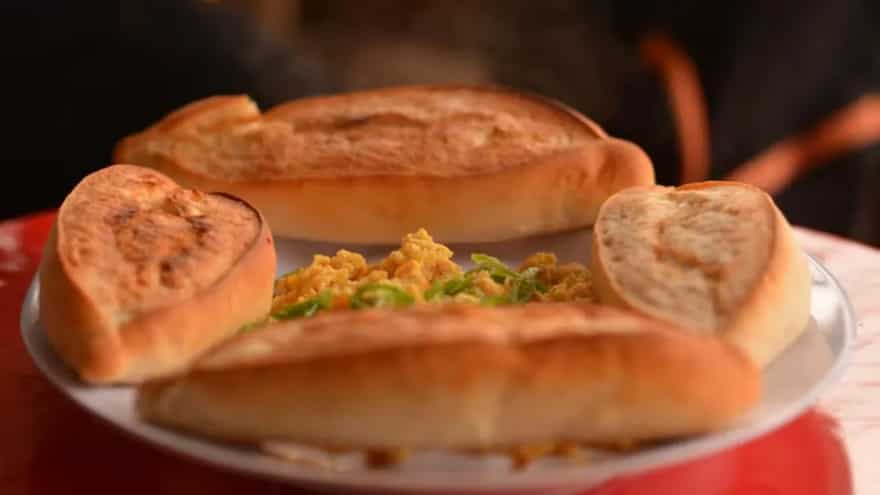
Despite the name, these are not just the usual bakery buns. Mangalore buns are soft, a bit sweet, fried breads that are prepared using mashed bananas, flour, curd and sugar. The dough gets fermented a bit, giving it a fluffy inside with beautifully golden edges. They are usually eaten hot with coconut chutney or sambar, particularly in coastal Karnataka bakeries and small cafés.
What makes them unique is the balance, not fully sweet, not fully savoury. They taste satisfying in the way homemade breakfasts have, particularly having strong filter coffee during the rainy evenings.
(Image credit: Freepik)
Dilkhush Coconut Buns
Old Iyengar bakeries across Bengaluru still sell these nostalgic buns that are stuffed with sweet coconut filling. The bread remains soft and a bit milky, whereas the centre has grated coconut that is mixed with sugar, cardamom and tutti-frutti bits. Some versions even add tiny cashew pieces within.
The name “Dilkhush” translates to happy heart, which actually feels precise after having its first bite. They are neither too fancy nor trendy, but somehow tend to feel extremly comforting. Just sticky, a bit sweet and warm, these buns carry deep old-school bakery charm.
Khari Biscuit Sandwiches
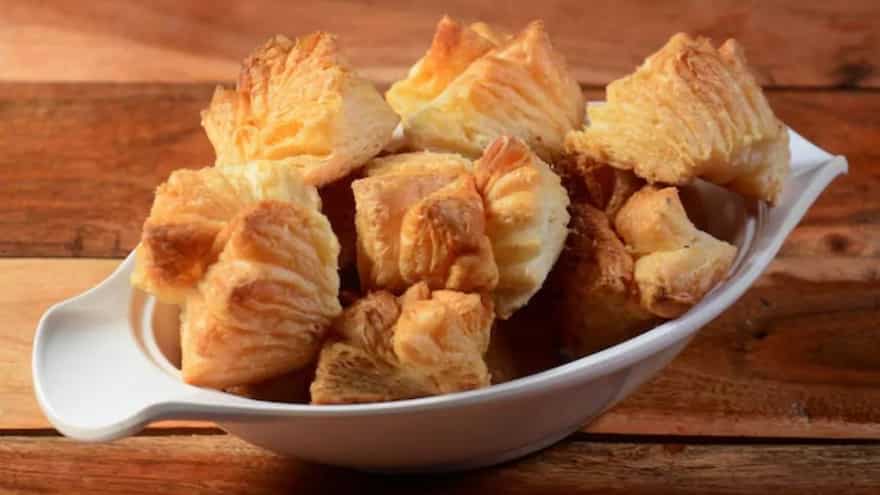
Khari biscuits are though common, but the stuffed sandwich versions sold in smaller bakeries deserve to get far more attention. These flaky puff pastry layers are often filled with spicy mint chutney, malai cream or potato masala. The texture is what makes them even more addictive, i.e. crisp, airy and buttery enough to break instantly with every bite.
Unlike the packaged crackers, bakery kharis tastes perfectly satisfying when eaten fresh. Pair it with a hot cup of chai, and they become a go-to evening snack for many.
(Image credit: Freepik)
Mawa Cakes
Parsi and Irani bakeries have made every effort to make mawa cakes legendary, yet they remain surprisingly underrated or lesser-known, outside a few cities. Prepared by using thickened milk solids, butter and some cardamom, these are small tea cakes that feel rich without becoming too heavy. The crumb remains dense, moist and aromatic, particularly when baked fresh.
Some bakeries also top them with almonds, whereas others keep them plain and buttery, maintaing its classic taste. The flavour feels satisfying, having a bit of slightly caramelised milk, warm cardamom and old-fashioned bakery sweetness. Mawa cakes taste best when paired with a cup of chai.
Coconut Macaroons From Local Bakeries
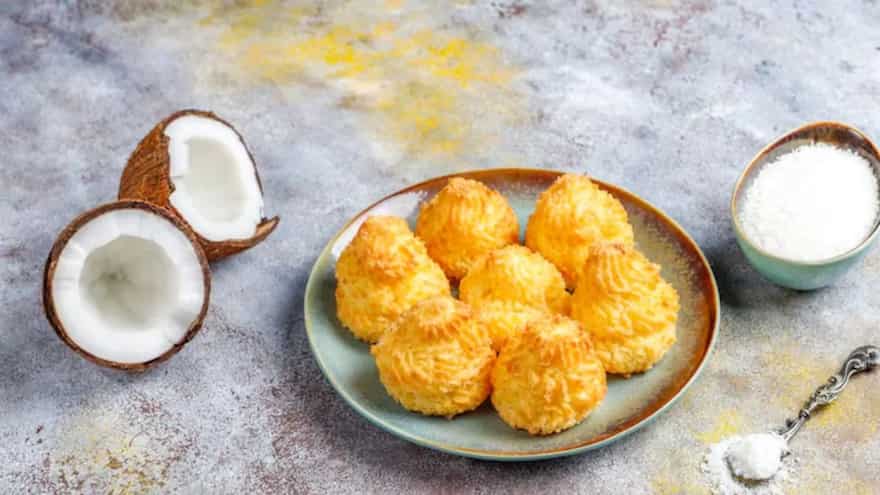
Indian bakery coconut macaroons are totally different from French macarons, and actually, they deserve more love. These rustic little cookies are prepared using whipped egg whites, sugar and loads of grated coconut, baked until they turn lightly golden from the outside but also chewy from the inside.
Many local bakeries across Kerala, Tamil Nadu and Goa still bake them fresh daily. Their charm lies in their simplicity, no fancy fillings, colours or decoration. Just crisp coconut edges and a soft centre that tastes extremely toasted and also sweet. They pair beautifully with a cup of tea and somehow feel both festive and everyday indulgence at the same time.
(Image credit: Freepik)




