


 Share
Share

Seasonal eating is an important part of Indian food culture. Indian kitchens are known for changing ingredients according to temperature, humidity, and regional weather patterns. Winter cooking, especially in North India, is strongly associated with hearty greens, which include mustard greens, fenugreek, and bathua. They are often slow-cooked into thick saag dishes, stuffed into parathas, or cooked with butter and ghee. These dishes are warming, filling, and offer comfort during colder months, when it is easier to digest heavy foods.
Summer greens, however, work very differently. As temperatures rise, meals become simpler and lighter. Instead of rich gravies and slow cooking, leafy vegetables are turned into chutneys, stir-fries, curd-based dishes, or quickly sauteed sabzis. The focus is more towards foods that are fresh, hydrating and less heavy during extreme heat.
This seasonal shift is visible across many Indian cuisines. In coastal regions, water-rich greens become common during humid months. While in the western India, herbs like mint and coriander are more visible in side dishes like chaas, chutneys, and rice dishes. Southern households also consume lighter greens during summer as they pair well with rice recipes and other lunch recipes.
While fruits like watermelon and mango often dominate the summer conversation, leafy greens quietly play their part in summer. They make meals lighter and more balanced during hot weather. Here is a list of five such cooling leafy greens and how they differ from the rich winter greens.
(Image Credit: Freepik)
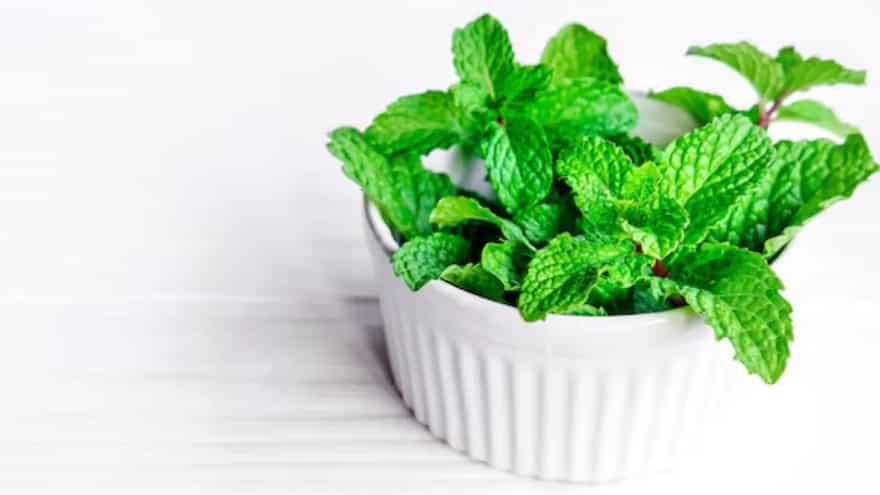
Mint
Mint is perhaps the most recognisable summer herb in Indian kitchens. During summer, mint makes its appearance almost everywhere, in chutneys, chaas, lemonades, raitas, and rice dishes. Unlike heavier winter greens that are cooked slowly, mint is usually used fresh to preserve its sharp and cooling flavour. Its refreshing taste helps to brighten meals during hot afternoons, and it pairs especially well with curd-based dishes. Mint chutney is also served alongside snacks and rice dishes, and it remains a common part of summer eating across many Indian households.
Coriander Leaves
Coriander is another important herb during summer cooking. Although it is used throughout the year, summer meals often use it more generously because it has a fresh flavour and lighter texture. Coriander can be blended into green chutneys, mixed into chaas, added over curd rice, or stirred into simple dals. Coriander chutneys are also popular during summer because they add freshness without making meals feel oily or rich. You can also use coriander in light detox drinks during hotter months.
(Image Credit: Freepik)
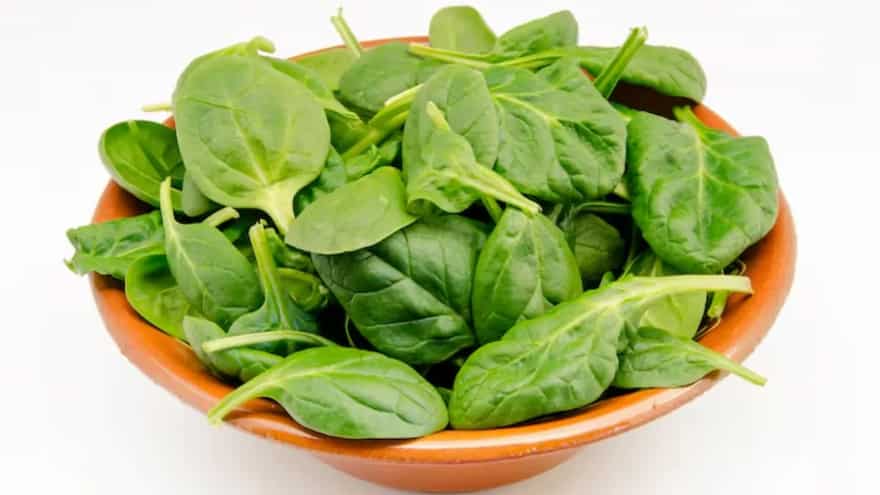
Malabar Spinach
Malabar spinach, also known as poi saag or basale soppu in different regions, is commonly eaten in coastal and southern India during warmer months. This spinach is different from regular spinach and has soft, fleshy leaves with high moisture content. It is usually cooked into light curries, stir-fries, or dals that are easier to eat during humid weather. It has a slightly slippery texture that makes it perfect for simple home-style recipes that are commonly paired with rice.
Amaranth Leaves
Amaranth leaves are widely eaten across India in different forms during the summer. Amarant is known for its quick cooking time and soft texture. These greens are prepared with garlic, coconut, or light tempering. Unlike the winter saag recipe that requires slow cooking, amaranth cooks quickly and is perfect for lighter summer lunches. Amarant is usually paired with curd, rice, or jowar bhakri for simple afternoon meals.

(Image Credit: Freepik)
Purslane
Purslane, also known as chivai in Marathi, is not as commonly discussed as spinach or methi, but it traditionally appears in several regional cuisines. The leafy vegetable is known for its slightly tangy flavour and juicy texture. Because it naturally contains a lot of moisture, purslane works very well during summer. It is usually added to light dals, stir-fries, or salads instead of rich gravies. In some regional cooking styles, purslane is combined with lentils to make simple one-pot meals during hot weather, while in some regions, the leafy greens are mixed with gram flour and then turned into a sabzi that pairs well with chapati and dal.




