


 Share
Share

Every year, just before the Indian Union Budget is presented, a tradition is followed at the Rashtrapati Bhavan. The President, Draupdi Murmu, offered a bowl of dahi-cheeni (curd mixed with sugar) to the Finance Minister, Nirmala Sitharaman, before she headed to Parliament for the budget announcement. It’s a very simple gesture, but for many, it holds layers of significance of deep-rooted tradition, faith, and emotional reassurance.
From students heading for exams to those walking up for a job interview, dahi-cheeni has been part of India’s way of starting something meaningful on a sweet, hopeful note.
The Union Budget Moment
The presentation of the Union Budget is one of the most significant days in India. This ritual is not just about following an age-old tradition, but it’s about the confidence that comes after it, that everything will be good. The sweetness of sugar represents positivity, whereas the curd symbolises peace and calm. Together, dahi-cheeni represents a balanced start before taking big decisions.
Why Dahi-Cheeni And Not Something else? The Cultural Logic Behind It
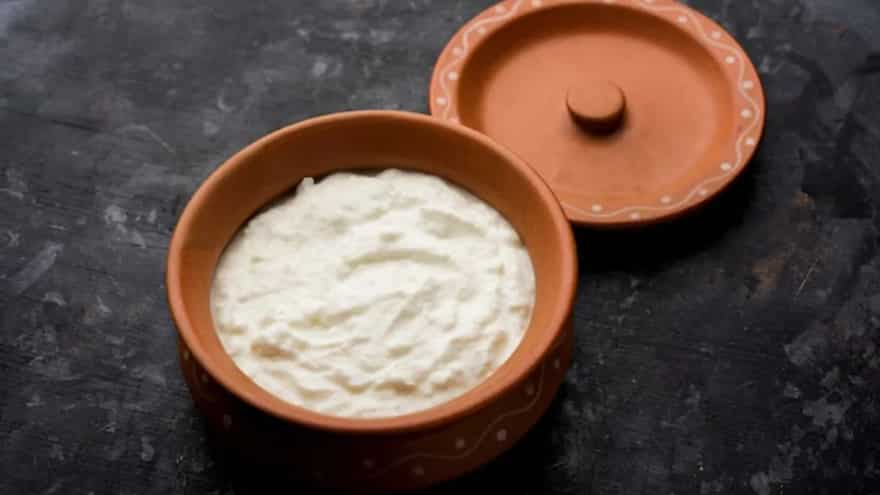
In Indian tradition, curd is considered to be auspicious. It is cooling, relaxing, and is associated with prosperity and purity. Sugar adds sweetness to it, both in literal meaning and also symbolically. Unlike the heavy sweets prepared from khoya or milk, dahi-cheeni is light and easy to digest, making it perfect to have before stepping out for an important task.
(Image credit: Freepik)
From Homes To Rashtrapati Bhawan: A Shared Emotion
What makes this ritual special is its prevalence. The same dahi-cheeni that a mother feeds her child before stepping out for an exam is offered to the Finance Minister of India before she heads out for the Budget announcement. This moment can be seen that the power you have has no assurance that it will not make you vulnerable. Whether you are a student or a policymaker, big moments can often overwhelm you and bring nervousness. Dahi-cheeni acts as an emotional comfort by saying, “You will do well.”
The Psychology Behind It
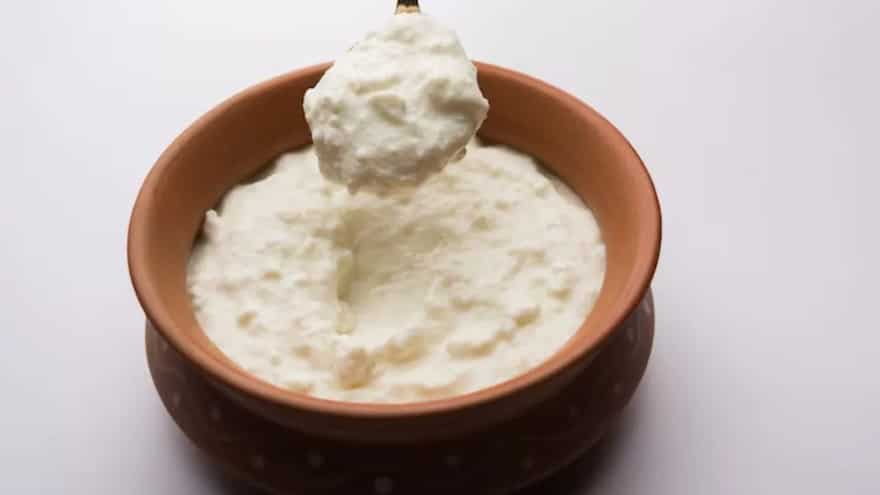
Modern psychology also supports this tradition. A study by the journal Eating Behaviours, National Library of Medicine, reveals that the sweet tastes activate the release of dopamine (happy hormones), which helps in reducing anxiety and keeps stress at bay during high-pressure moments. In that sense, dahi-cheeni works wonderfully. It keeps one grounded when nervous, slows down the thumping thoughts, and creates a sense of hopefulness.
(Image credit: Freepik)
A Symbol Of Collective Hope
When President Murmu offered dahi-cheeni before the Budget, it was not just for the Finance Minister alone, but it reflected the hopes of millions of citizens watching the budget session. It also had a personal connection, in that something that is performed at home is also being recognised by prominent personalities of India.
In a fast-changing, modern India, this small bowl of dahi-chini is a reminder that advancement does not mean you have to leave tradition. Sometimes, the most comfortable rituals carry the strongest emotional feelings besides them.




