


 Share
Share

Ashwagandha has lived in Indian kitchens for ages, often stirred into milk or added to homemade ladoos without much fuss. What makes it appropriate even today isn’t the trendiness, but timing. In a world that is always running and has little time for sleep, constant screens, and everyday stress, people are looking for something calm that fits into their everyday routine, something that should not be another pill or powder that feels clinical.
The beauty of this medicinal herb lies in how easily it can slip into everyday life. You do not need to rebuild your whole diet; simply mix into warm drinks, breakfast bowls, laddoos, or even your regular rotis. When wellness feels like too much of a task, ashwagandha can change ordinary meals into small acts of care rather than any complicated health care step.
Why Is Ashwagandha Back In The News?
Ashwagandha is in the buzz again because it has moved from being a simple household remedy to an international health conversation. At the 2nd WHO Global Traditional Medicine Summit, Prime Minister Narendra Modi also highlighted the growing global market for this traditional medicine, particularly mentioning the increase in its usage during the COVID-19 pandemic.
PM Modi’s comments on ashwagandha were not just about its increasing popularity, but they pointed to global efforts, where researchers, scholars, and scientists are exploring how to incorporate ashwagandha into modern healthcare. As this medicinal herb is so much talked about, know how you can incorporate it into everyday life:
Ashwagandha In Warm Milk Before Bed
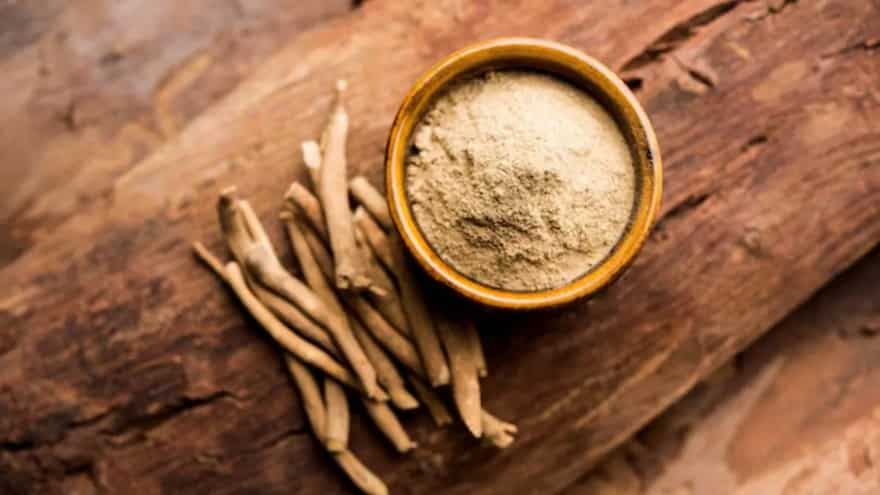
This is the easiest and most comforting way to utilise ashwagandha in day-to-day life. Stirring a small pinch of ashwagandha powder in a cup of warm milk at night feels less like adding any "health supplement" and more like a habit. The warmth eases the herb’s earthy notes and signals the body to slow down. It works best when it is followed in everyday routine, sipped slowly, away from screens, letting the body ease into rest without any additional effort. According to the National Library of Medicine, the Centre for Biotechnology, ashwagandha promotes better sleep at night.
(Image credits: Freepik)
Adding Ashwagandha To Morning Smoothies
For those who don't like adding any sort of powders to milk or any other drink, smoothies are an easy way to disguise. A pinch of ashwagandha blends nicely with banana, dates, cocoa, or nut butters, as its bitterness almost disappears in them. It works particularly well for people who skip breakfast or eat on the go. Instead of feeling like an “extra” step for health care, it quietly becomes part of your everyday morning routine, which fuels the day without you having to pay any additional attention.
Mixing It Into Homemade Laddoos Or Energy Bites
Ashwagandha fits naturally in laddoos that are made with dates, nuts, seeds, or roasted atta. The richness of ghee, jaggery, or nut paste perfectly balances the herby flavour, making it easy to consume on a daily basis. This method is perfect for families, particularly those who like food-based nutrition over any powders. One small laddoo a day can feel indulgent and purposeful, turning everyday wellness into something you really look forward to.

(Image credits: Freepik)
Ashwagandha In Herbal Teas Or Kadhas
If you already like herbal teas, adding ashwagandha to them is effortless. It pairs well with ingredients such as tulsi, cinnamon, ginger, or even fennel. Brew it gently, and you will have a drink that feels relaxing rather than medicinal in any form. It is ideal for mid-evening hunger, when energy dips, but caffeine feels too harsh. The slow sipping is important here, as it is less about immediate impact and more about giving your body a pause in the middle of a hectic day
Blending It Into Everyday Cooking
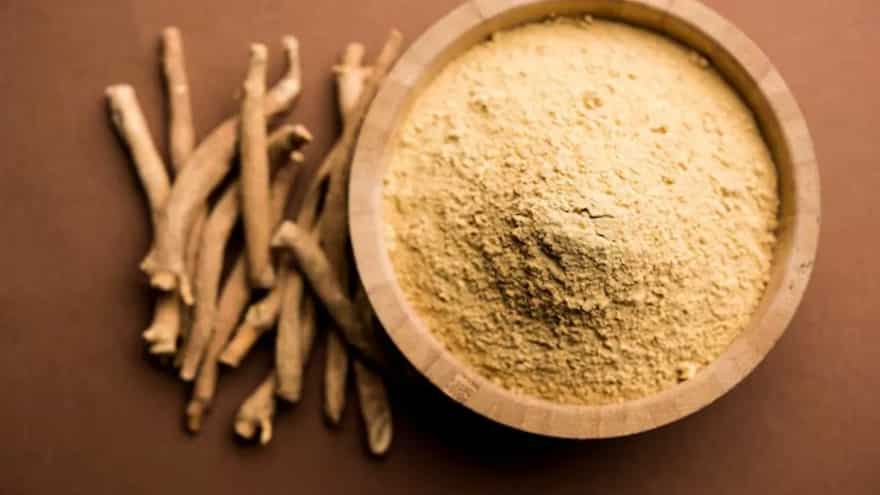
For those who don't like changing routines, ashwagandha can be added lightly to food, like mixed into chapati dough, stirred into kheer, or blended into warm oats or daliya. Used sparingly as it doesn’t overpower the flavour. This works perfectly for consistency, particularly in households where one person manages meals for many. It turns ashwagandha into a supporting ingredient, as it is present, but never intrusive, making daily intake feel natural and not forced.
(Image credits: Freepik)




