


 Share
Share

There are certain foods that Bengalis do not just eat; they live and breath it. They can debate, defend, and occasionally build an entire emotional argument around their preferred culinary masterpiece. And the queen of fish, aka Hilsa, or ilish, sits proudly at the top of that list. The arrival of monsoon clouds in Bengal often brings with it another seasonal anticipation: the first proper and flavoursome ilish of the year. The approach might appear very Ichabod Crane, where the hero can visualise and daydream about any living creature or fruits in their food form, aka live chickens in their roasted avatar or apples as a toasty apple pie. But the sentiment and adoration are distinctly deeper and cultural here.
For a Bengali, the fish can mean many things at once: steaming rice with freshly fried ilish, a rainy afternoon, a grandmother's no-mustard recipe, or the eternal Ghoti-Bangal debate over which side of Bengal gets the better fish. Hilsa has long occupied a place in Bengali cultural identity beyond the dinner plate, appearing in literature, art, rituals, and family celebrations. And then there is its flavour. Rich, oily, intensely aromatic, and almost buttery, hilsa has enough personality to make even a very simple preparation memorable. Its distinctive richness and adaptability are precisely why mustard, green chilli, turmeric, and other relatively assertive Bengali flavours work so beautifully with it.
But Bengali cuisine is hardly the only Indian food culture to appreciate the fish. Hilsa is found across river systems beyond Bengal, and its culinary significance stretches into farther neighbouring regions and Bangladesh. For instance, Orissa, Assam, Tripura, and other eastern parts of our subcontinent have their own associations with the fish, while Bangladesh's riverine hilsa culture is particularly deep-rooted and essential. So, when ilish lands on a Bengali dining table, there is usually a fairly predictable sequence, such as shorshe ilish, bhapa ilish, ilish bhaja, ilish er jhol, or perhaps the eternal favourite, Ilish paturi. And nobody complains. But what happens when you love the fish and simply want to taste it differently?
That was the idea behind these five gastronomical experiments. Though they borrow flavours from global kitchens, these preparations respect one important rule: the accompanying flavours must work with hilsa's natural richness and not bury it. And, memorably, these five passed my slightly picky family’s taste test.
Hilsa Goes On A Tour: 5 Global Variations Of The Iconic Ilish
Thai Lime, Ginger And Green Chilli Hilsa
This was the preparation that I started the experiment with, and for good reason. Thai cuisine and hilsa make more sense together than you might initially expect. Lime's sharp acidity cuts through the fish's oiliness, while ginger and green chilli bring freshness and heat without making the preparation feel excessively spicy. The finished dish looks glossy, with lightly browned edges and flecks of green chilli and coriander generously scattered across the surface. Your first taste will be rich and buttery, followed by a burst of lime, ginger and a clean chilli kick.
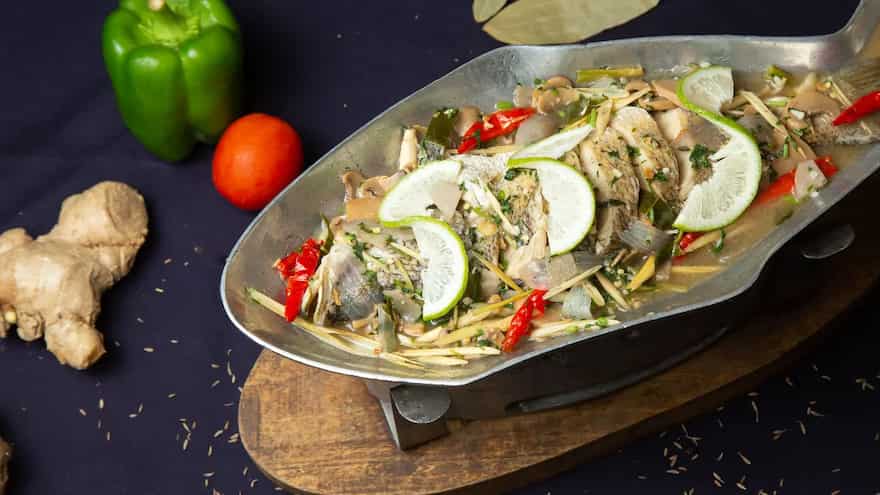
Image credit: Pexels
Ingredients (Serves 2)
- 2 Hilsa fillets or steaks
- 1 tbsp fresh lime juice
- 1 tsp fish sauce
- 1 tsp palm sugar
- 1 tsp grated ginger
- 1 small garlic clove, grated
- 3 green chillies, thinly sliced
- 1 tbsp neutral oil
- 2 tbsp chopped coriander
- 1 spring onion, sliced
Method
- Mix lime juice, fish sauce, palm sugar, ginger, and garlic, and brush the mix lightly over your fish and leave for 10 minutes. Then heat oil in a non-stick pan and cook the Hilsa gently for about 5-6 minutes on each side, depending on thickness.
- Remember to add the remaining dressing towards the end and finish with chilli, coriander and spring onion. Easy and simple.
- Finally, serve with plain steamed rice. The rice is important as you want something quiet alongside this rather lively fish.
Also read: Smoked To Tawa Fry- Celebrate Hilsa With These Two Chef Special Recipes
Japanese Miso-Honey Hilsa With Sesame
This preparation sounds the most elegant of the five. White miso supplies savoury depth, while honey gives your fish a mellow sweetness. As for sesame, it adds nuttiness without dominating the flavour profile. Visually, the fish develops a beautiful amber-brown glaze, dotted with sesame and spring onion. It tastes savoury first, gently sweet next, with a slightly smoky caramelised finish. The trick to nailing this preparation is restraint. A thick, sugary glaze would overwhelm the Hilsa, while a thin coating would simply give its natural richness somewhere interesting to go.
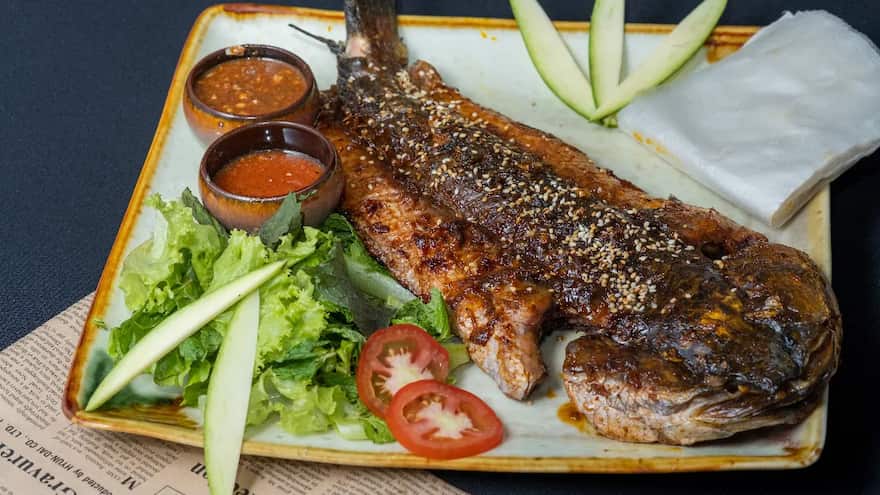
Image credit: Pexels
Ingredients (Serves 2)
- 2 Hilsa fillets or steaks
- 1 tbsp white miso
- 1 tsp honey
- 1 tsp light soy sauce
- 1 tsp rice vinegar
- ½ tsp grated ginger
- ½ tsp sesame oil
- 1 tsp toasted sesame seeds
- 1 spring onion
- A little lime zest
Method
- Whisk together your miso, honey, soy sauce, vinegar, ginger, and sesame oil. Brush a thin layer all over the fish and leave for 15 minutes.
- Then bake them at 190°C for 10–12 minutes, or until properly cooked, depending on the thickness of your fish fillets or steaks. Grill for the final minute or two until the glaze becomes lightly caramelised.
- Finally, scatter your sesame seeds, spring onion and lime zest all over the fish before serving.
Smoked Hawaiian Hilsa With Pineapple-Lime Relish
This dish was a wild card, but it bowled over my family’s collective taste buds, and perhaps generated the most discussion at the table. Hawaiian-inspired flavours make an intriguing match for Hilsa because pineapple supplies acidity and sweetness, while ginger, lime and a little soy add layers of savoury complexity. Smoking introduces another layer, but it needs to remain subtle. The fish comes out bronze around the edges, with a delicate smoky aroma, which is a game-changer. The pineapple relish is juicy, bright and slightly sweet, creating a refreshing contrast to the oily fish. For those who enjoy a little extra spiciness, remember to up your personal chilli dose here; the recipe gives the space.
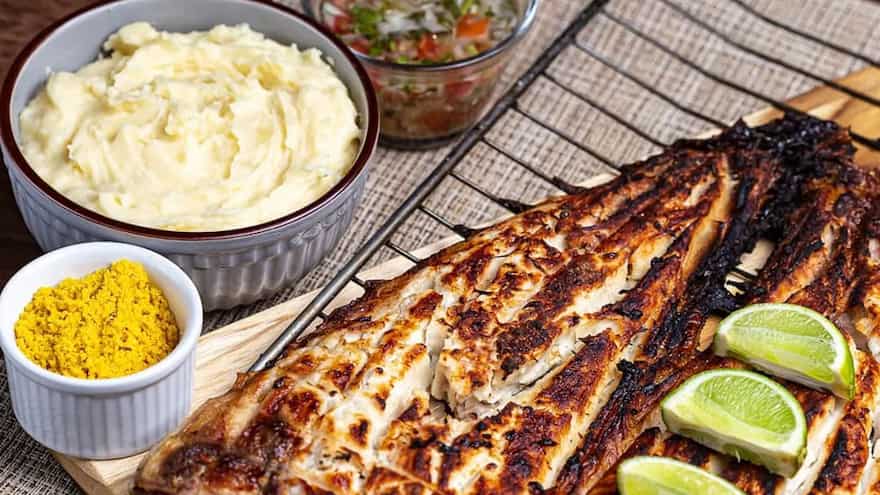
Image credit: Pexels
Ingredients (Serves 2)
- 2 Hilsa fillets or steaks
- 1 tsp light soy sauce
- 1 tsp lime juice
- ½ tsp grated ginger
- ½ tsp honey
- Black pepper
- 100g finely diced fresh pineapple
- 1 tbsp finely chopped spring onion
- 1 tsp lime juice
- 2 small green chillis, finely chopped
Method
- Mix soy sauce, lime juice, ginger, honey, and pepper, and then brush the mixture lightly over your Hilsa, before letting it rest for 15 minutes.
- For a home smoker, hot-smoke the fish according to the smoker manufacturer's instructions until cooked through. Alternatively, cook the marinated fish gently in a covered pan and then briefly introduce a food-safe smoking method if you are accustomed to doing so safely.
- A simple food-safe smoking method is heating a piece of cooking coal till its red hot before adding it to a bowl and placing it along with your dish. Quickly add a dollop of ghee or butter to the extremely hot coal from the top and immediately cover the entire setup. The cover should be airtight to ensure proper smoking. The duration of smoking can vary from 5 to 15 minutes, depending on your dish requirement and preference.
- Now, combine pineapple, spring onion, lime juice, and chilli for your relish.
- Finally, serve the smoked fish with the cold relish spooned alongside it. The combination is surprisingly balanced: smoky, oily fish against cool, juicy pineapple, zesty chillis and sharp lime.
Also read: Traditional Ilish Maach Recipes You Should Try This Monsoon
Mediterranean Hilsa With Lemon, Fennel And Roasted Tomatoes
This preparation feels like the least rebellious yet fanciest-sounding reinvention. Mediterranean cooking already understands how to treat a rich fish. Use acidity, herbs, vegetables, and olive oil to prepare it, but do not overwhelm it. Here, the Hilsa roasts alongside cherry tomatoes and thinly sliced fennel until the tomatoes become wrinkled and intensely sweet. The final appearance is almost restaurant-like: golden fish surrounded by red tomatoes, pale fennel and green herbs. And the taste is memorable, clean and bright, with the roasted sweetness balancing the Hilsa's richness.
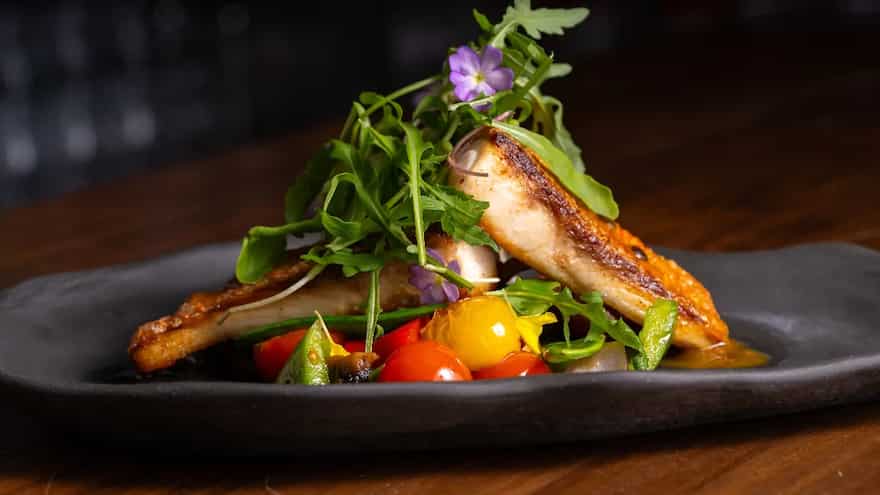
Image credit: Pexels
Ingredients (Serves 2)
- 2 Hilsa fillets or steaks
- 150g cherry tomatoes
- ½ small fennel bulb, thinly sliced
- 2 garlic cloves
- 1 tbsp extra virgin olive oil
- ½ tsp fennel seeds
- Zest and juice of ½ lemon
- 1 tbsp chopped parsley
- Salt and black pepper
Method
- Toss your tomatoes and sliced fennel with olive oil, garlic, fennel seeds, salt, and pepper before roasting them at 190°C for about 12 minutes.
- Now, place your Hilsa over the almost-done vegetables, drizzle with lemon juice and roast for another 10–12 minutes, or until properly cooked through.
- Finish with lemon zest and parsley, and serve.
Vietnamese Caramelised Hilsa With Lime And Herbs
This preparation took me pleasantly by surprise. Vietnamese cuisine's vibrant approach is surprisingly compatible with ilish. The caramelised brown sugar brings depth to the dish, while fish sauce adds umami and lime stops the whole thing from becoming too rich. The finished fish is dark and glossy, with fresh coriander and mint scattered over the top. The herbs are not merely decorative. They cut through the butteriness of the fish and give it a final touch of freshness. The final dish tastes simultaneously sweet, salty, spicy, and sour, but its harmony and balance ensure that the iconic fish’s natural taste remains a part of the team.
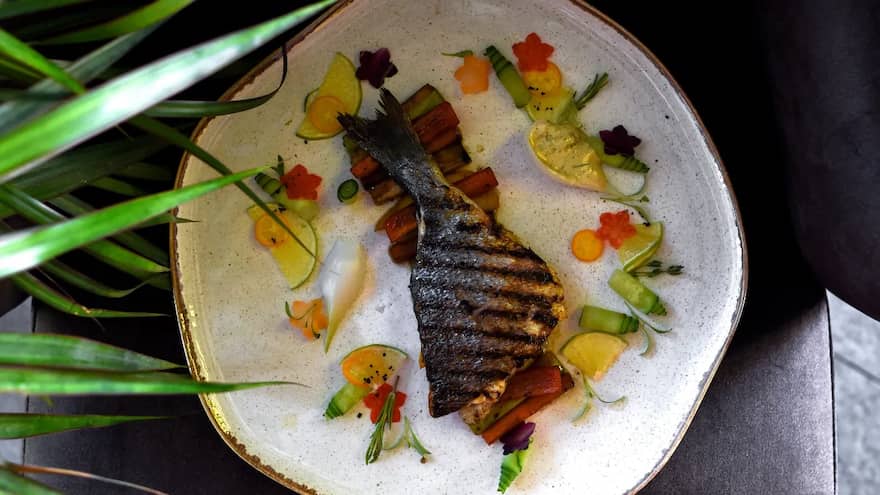
Image credit: Pexels
Ingredients (Serves 2)
- 2 Hilsa fillets or steaks
- 1 tbsp brown sugar
- 1 tbsp water
- 1 tsp fish sauce
- 1 tsp lime juice
- 1 tsp grated ginger
- 1 garlic clove, chopped
- 3 small red chillis
- Fresh coriander and mint
Method
- Heat sugar and water until it becomes amber. Now, lower the heat and carefully add fish sauce, lime juice, ginger, and garlic.
- Then place the Hilsa into the sauce, cover and cook gently for 10-15 minutes (depending on fillet thickness), turning once if required. Keep spooning the caramelising sauce over the fish as it cooks.
- Finish with red chilli, coriander and mint, and serve.




