


 Share
Share

Everyone knows that when the conversation is about food, Bengalis will always be present. Food for Bengalis is an expression of all the things that make up their identity. Food has long borne the weight of identity, from the kitchens of North Kolkata to the courtyards of the ancestral homes of East Bengal. When you add fish into the picture, it becomes a way of life rather than merely an ingredient. The rivers of Padma, Hooghly, and Ichamati have shaped customs and provided food to the two Bengals and have also reminded each of them what home tastes like. It does not matter which place you’re from, fish and Bengalis have a deep-rooted connection that is not only linked to just good food but is a thread of survival, abundance and struggle.
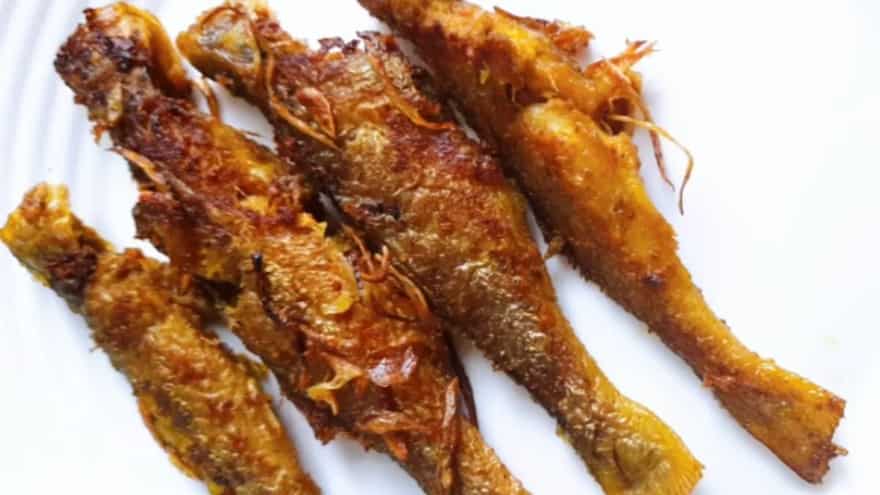
Image Credits: Wikimedia Commons
Multiple fish recipes from across the river allow one to maintain ties to their heritage even if they don't have their homes anymore. Food became a symbol of holding onto your native roots, history and family ties following the 1947 Partition of Bengal when borders were drawn and families were ripped apart.
Know The History Of Topse Mach Bhaja
The food during those days used to be transported by boats, more than just recipes. Topse maach bhaja, a crisp, golden fish fry cooked from the tiny, silver-hued mango fish, or tapra maach, is one such exquisite delight that found its way from East Bengal to West Bengal. The fish got its name from being abundant in the Ganges and Padma during the mango season. Traditionally, topse fish are lightly marinated in salt and turmeric, covered in a batter made of gram flour, then deep-fried till crunchy.
There are layers of memories hidden in what appears to be a straightforward snack. It reminds everyone of Sunday dinners with steamed rice, the quiet satisfaction of a crisp mouthful melting on the tongue, and the scent of fried fish filling the air. Topse maach bhaja is now more than just a meal; it serves as a reminder of divided territories, shared rivers, and the tenacity of memory preserved in food.
A Go-To Snack In Modern Bengal
Topse maach bhaja is an entree that can effortlessly transition from a regular lunch plate to a festive spread, with its crisp exterior and tender interior. It is deep-fried until the fins form a lovely golden lace. The key is timing–if you fry for a short time, the fish will remain mushy; if you fry for too long, it will become less soft. However, topse bhaja has taken on a new identity as the go-to bar snack in contemporary kitchens and urban adda tables. It pairs well with a glass of chilled beer, gin & tonic, or even a smoky single malt that balances the fish's subtle sweetness because of its crisp texture and mild spice. It is frequently served with kasundi, a mustardy, bitter dip that intensifies the flavour and cuts through the oil, in Bengali homes.
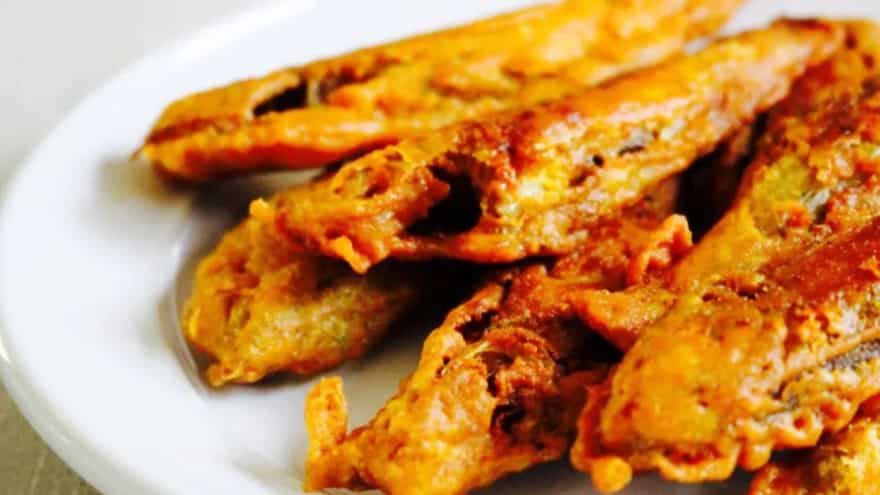
Image Credit: Wikimedia Commons
Serve topse bhaja with posto bora (poppy seed fritters), some onion and green chilli slices, and maybe a lime drizzle for a full experience. The first taste is like a reminiscence on a plate: the crunch, the subtle mustard oil scent, and the tender fish inside. Whether eaten as part of a grand meal or as a quick appetiser with drinks, topse maach bhaja remains a symbol of Bengal’s love for food and creativity that comes with it.
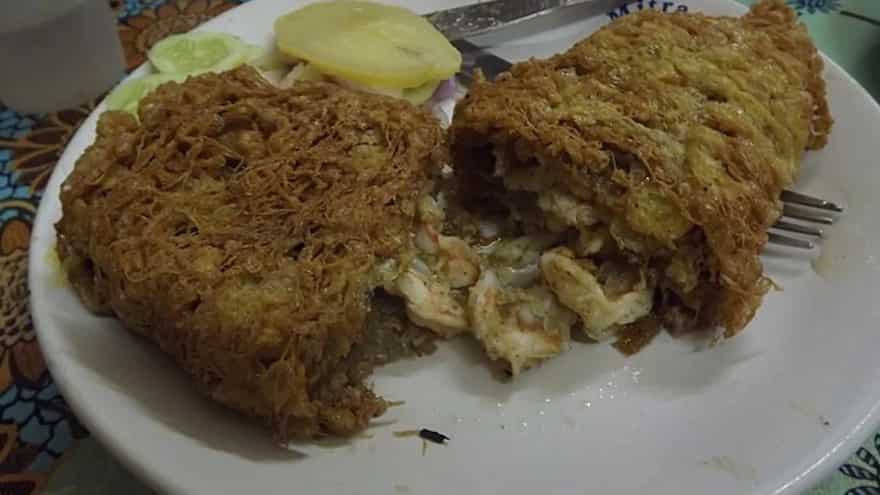
Image Credit: Wikimedia Commons
Topse maach bhaja is a proud member of the Bengali fried fish snack family that may be found at anything from roadside stands to wedding feasts. For vegans who don't want to feel left out, consider begun bhaja, aloo bhaja and more. There is also illish bhaja, chingri cutlet, or mochar chop. Another classic is the lacy, flaky fish kabiraji cutlet, which originated in the British clubs of old Calcutta.




