


 Share
Share

In a world enthralled with the next big food trend, it's easy to overlook the beauty of traditional recipes. However, some classics are timeless and don't require a reemergence. One such classic Indian dessert that is deeply ingrained in custom, has a long history, and is nevertheless well worth the hype is kheer mohan. What sets kheer mohan apart from other desserts is its unique combination of textures and flavours. It is essentially a variation of the popular Indian sweet rasgulla, but with a twist. Instead of being soaked in sugar syrup, the chenna (fresh cheese curds) balls are cooked in thickened, fragrant milk until they absorb all the creamy goodness. The result is a heavenly blend of velvety milk and melt-in-your-mouth chenna, garnished with saffron strands, cardamom, and chopped nuts. Let’s delve into how it was discovered and the rise of this sweet dish.
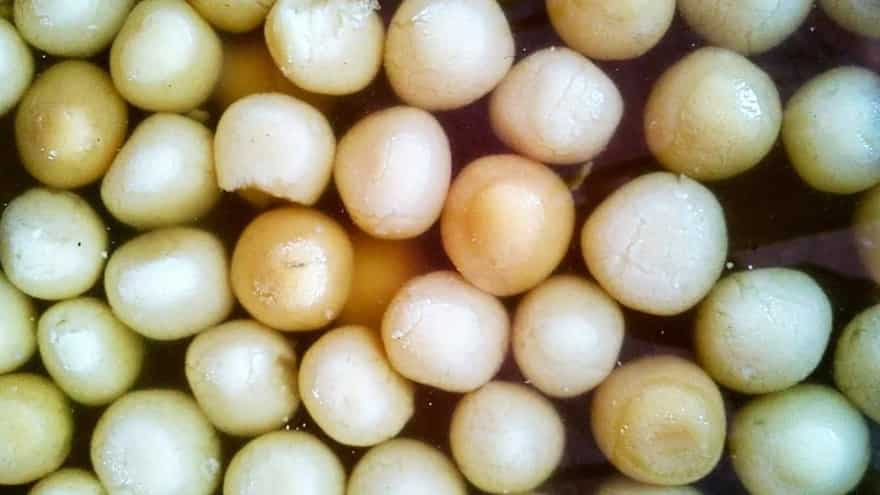
Image Credit: Wikimedia Commons
Origin And History Of Kheer Mohan
Also known as "khira mohana" in some regions, traces its origins back to the ancient kingdom of Odisha, situated in the eastern part of India. This delectable sweet treat is believed to have been created during the reign of King Mukunda Deva II in the 17th century. Legend has it that the king, an ardent connoisseur of sweets, challenged his royal chefs to create a dessert that would surpass all others in taste and elegance. Thus, kheer mohan was born.
With a strong cultural tie to the Jagannath Temple in Puri, where kheer mohan was first offered to Goddess Lakshmi, over the years, it travelled beyond Odisha to Bengal and Jharkhand, becoming a part of their culinary identity as well.Its importance increased with this religious link since believers thought the goddess herself blessed it. The temple tradition of offering sweets to deities is an age-old practice, and kheer mohan became one such sacred offering. In Bengal, for instance, the sweet takes on a drier texture, while in Odisha, it is soaked in syrup. The local trains of Bengal, particularly on the Katwa-Bandel line, were once a hub for kheer mohan hawkers, contributing to its enduring popularity. Known locally as khaer, the Bengali version is less syrupy and drier, yet equally delightful. Kheer mohan's deep-rooted presence in Bengali culture grew through these interactions, and it became more popular for long train journeys as well as during festive occasions.
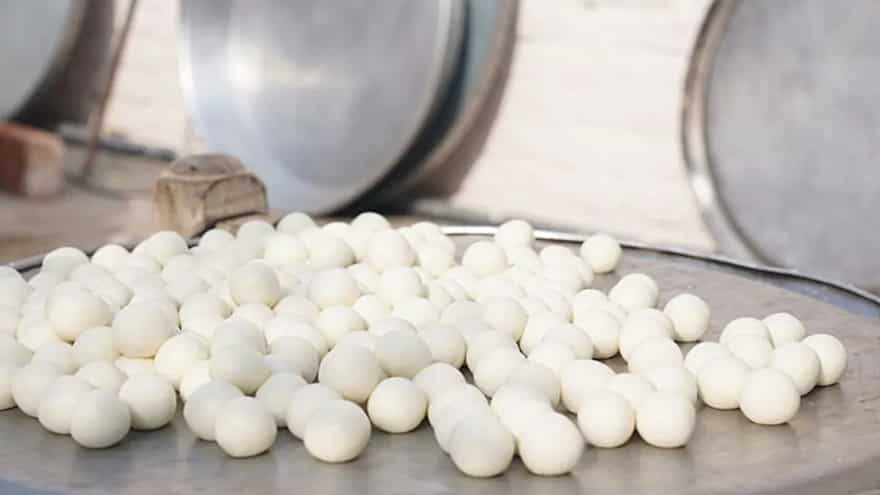
Image Credit: Wikimedia Commons
A Divine Culinary Discovery Branches Out
An interesting part of kheer mohan's history involves Sri Chaitanya Mahaprabhu, a revered saint and social reformer. It is said that while visiting his Oriya friends, he tasted kheermohan and was captivated by its taste. He advised that more of it should be produced, which helped the sweet become well-known outside Odisha. His followers from Santipur and Phulia, key locations in Bengal, took up the task, thus spreading the legacy of kheer mohan further. Apart from Bengal and Odisha, Jharkhand, especially the Chauparan area, is well-known for its kheer mohan. Over a dozen sweet shops in Chauparan offer this delicacy, and it has become a symbol of the region's culinary heritage. While Jharkhand's version stays true to the traditional recipe, the presence of multiple shops offering the sweet shows its adaptability and the community’s attachment to it.
A Way To Multiple Livelihoods
Kheer mohan is not just a sweet but a livelihood for many in rural Bengal and Odisha. However, the younger generation is showing less interest in continuing this tradition. The increasing production costs and a shrinking market have posed serious challenges for kheer mohan makers. Despite these difficulties, the legacy continues to hold a special place in the hearts of those who appreciate its unique taste and cultural significance. With its deep roots in Odisha and Bengal, it remains a cherished sweet despite its gradual decline. Its connection to history, tradition, and religion makes it more than just a dessert. It represents the evolving culinary practices and regional flavours of eastern India. Preserving the art of making kheer mohan is essential to keeping this rich legacy alive for future generations to enjoy.
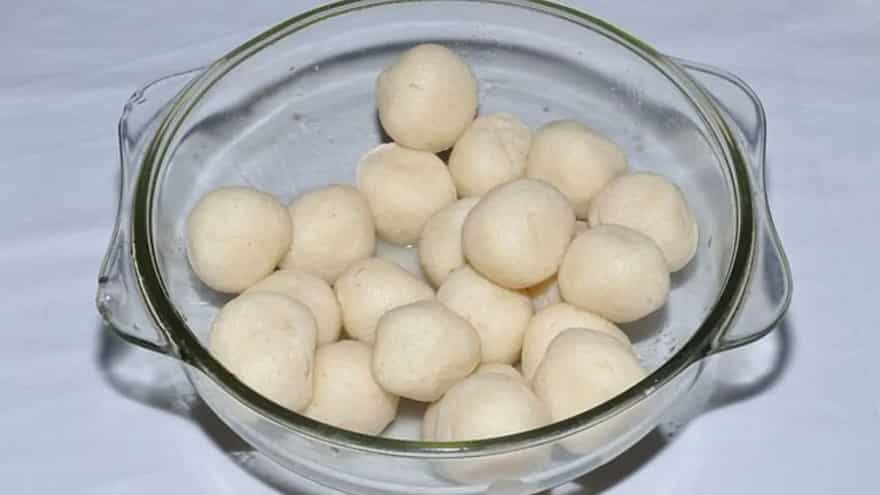
Image Credit: Wikimedia Commons
How To Make Kheer Mohan At Home
If you cannot find kheer mohan around where you are, you can always try making it at home. It’s super easy and can help you amp up your sweet-making skills. In a large pot, bring the milk to a gentle boil over medium heat. While the milk is heating, squeeze the juice of one lemon into a small bowl. Add some water to the lemon juice and set it aside. Once the milk begins to boil, reduce the heat to low and slowly add the lemon juice mixture while stirring continuously.
The milk will start to curdle, separating into curds (chenna) and whey. Continue stirring gently until the curds fully separate from the whey. Line a colander with a muslin cloth or cheesecloth and place it over a large bowl. Pour the curdled milk into the colander, allowing the whey to drain out. Rinse the curds with cold water to remove any lemony taste. Gather the edges of the cloth and squeeze out any remaining whey. Hang the cloth with the curds for about 30 minutes to allow any excess moisture to drain.
After the curds have drained, transfer them to a clean work surface and knead gently for a few minutes until the curds come together and form a smooth texture. Divide the chenna into small portions and roll them into smooth balls. Ensure there are no cracks or lumps. In a separate large pot, heat the sugar and milk over medium heat. Stir occasionally until the sugar dissolves and the milk begins to thicken. Add the saffron strands and ground cardamom to the milk, stirring well to distribute the flavours.
Gently drop the chenna balls into the milk mixture, one by one. Allow them to simmer in the milk for about 20-25 minutes, ensuring they are fully immersed. Remove the pot from heat and let the Kheer Mohan cool to room temperature. Once cooled, transfer the kheer mohan to a serving dish and refrigerate for a few hours until chilled. Garnish with chopped nuts of your choice, such as almonds, pistachios, or cashews. Serve kheer mohan cold and enjoy the delightful blend of flavours and textures!




