


 Share
Share

Long before millets turned into a trend and began appearing in supermarkets and wellness routines, gurji or little millet from Western Odisha was already enjoyed by the people here all across. A variety of little millet, this hardy grain has supported farming communities in districts like Nuapada, Kalahandi and Balangir for years. It flourishes in dry, rain-fed areas where water-intensive produce often fails, making it one of the most reliable harvests of the region.
For the people who produce it, gurji is far more than a climate-resilient crop. Its rich culinary legacy, unique taste and excellent adaptability make it deserving of the same attention that is given to grains like ragi and jowar.
What Makes Gurji Different From Other Millets?
Among Odisha's many grains, gurji is loved for its adaptability and a subtle flavour. The tiny millet has a light appearance and gets cooked fast, making it suitable for everyday meals. Unlike polished rice, it maintains a soft, earthy sweetness and a pleasant bite even after it gets cooked.
Farmers also love it because it needs very little irrigation and can be grown well in even poor soil conditions. These qualities have helped gurji remain a trustworthy crop through unpredictable weather, long before climate-resilient agriculture became part of the conversations.
Why Gurji Remains A Staple In Western Odisha
Gurji has stayed an essential part of food culture in Western Odisha, not because of modern trends, but because it has been trusted as a reliable everyday grain. After every harvest, families store gurji to make a variety of meals throughout the year. It's light but satisfying enough, and can be used in porridges and even to make rotis and one-pot dishes.
The millet's soft, earthy taste blends perfectly with local vegetables, lentils and spices, letting each ingredient shine without overpowering the dish. Beyond its culinary adaptability, gurji also holds cultural importance in celebrations, feasts and gatherings. For many households, cooking gurji is not about nourishment alone, but it is also about conserving and saving special food traditions alive through every generation.
Traditional Gurji Dishes Worth Trying
Whether served as a wholesome meal, a healthy breakfast or as a festive treat, gurji adjusts beautifully to every cooking style. These five classic dishes give a glimpse into how Western Odisha has honoured this millet for a long time.
Gurji Khichdi
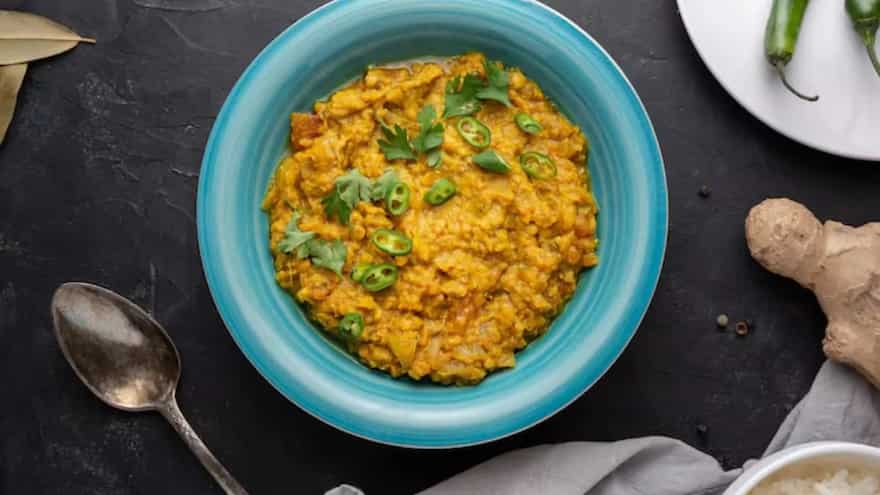
Simple but extremely satisfying, gurji khichdi is comfort food at its best. The millet is cooked with moong dal, turmeric and seasonal vegetables to make an enjoyable one-pot meal. Unlike the rice-based khichdi, gurji keeps a light bite that adds texture to every bite.
In villages across Kalahandi and Nuapada, it is generally enjoyed after long hours of field work as it is nourishing, easy to stomach and pairs perfectly with pickle, curd and roasted papad, keeping the meal familiar.
(Image credit: Freepik)
Gurji Pej
Pej has long been a staple breakfast in rural parts of Western Odisha. Gurji is gently cooked until it turns soft and then served either savoury with buttermilk and salt or sweetened a bit with jaggery, like daliya. The preparation is simple, letting the natural taste of millte to shine. Farmers have traditionally depended on this light but nourishing meal before heading out to work in the fields, whereas older generations love it as it is light and easy-to-eat food.
Gurji Roti
Freshly milled gurji flour, when turned into rotis, offers a pleasantly coarse texture and distinctive aroma in every bite. The dough is kneaded with warm water and then cooked on a hot tawa, like regular wheat roti. Gurji roti is generally served with dalma, leafy vegetable curries or tomato chutney. The wholesome taste perfectly complements the Odia cooking, making it a favourite pick whenever freshly harvested gurji is available in households.
Gurji Pitha
Pithas are a loved treat in Odia cuisine, and gurji also finds its place in making this treat. Relying on local customs, the millet flour is steamed or lightly roasted and then blended with coconut, jaggery and cardamom. The outcome is a light sweet snack with a slight grain taste that distinguishes it from the traditional rice-based pithas.

(Credit: Freepik)
Gurji Lapsi
A lesser-known but satisfying preparation is the gurji lapsi, where broken millet is slow-cooked until it turns creamy before being enhanced with jaggery, ghee and cardamom. Unlike heavy desserts, lapsi made from this millet gives a soft sweetness with a pleasant consistency that feels indulgent in every bite. It is especially popular during cold weather, when warm bowls of this classic treat nourish you from within.




