


 Share
Share

Tea, a globally beloved beverage, transcends cultural boundaries, weaving a rich tapestry of traditions, flavours, and rituals. However, on the journey of exploring the world of tea, we are drawn to the unconventional, the peculiar, and the downright bizarre infusions that have found their place in the diverse landscapes of global tea culture. The world of tea is a fascinating realm where history, geography, and local customs converge to produce a myriad of unique brews. From remote mountain villages to bustling urban markets, each cup tells a story of its origins, reflecting the identity and ingenuity of the people who cultivate, prepare, and savour it.
This is where Tripura’s salt and chilli chai comes in. Yes, you heard it right. Salt and chilli tea! Many tea lovers were introduced to this new tea in a recent Instagram reel by @kittyuchil. According to the user, the recipe is "mind-blowing" and "amazingly delicious." Instagram user @kittyuchil credits her friend for sending her tea leaves from Tripura, who suggested that she brew the tea this way.
What Is The Salt & Chilli Chai In Tripura?
Before social media brought it to a larger audience, she explains, this type of tea originated among Tripura’s indigenous tribal communities," and was a result of heat, humidity, and a lack of milk and sugar. The importance of tea in Tripura and its lengthy history in the local economy and culture can be confirmed. Spices and regional products are produced in the state because of its lush fields and forests.
Tripura's food is straightforward but daring, frequently emphasising fermented fish, fresh herbs, bamboo shoots, and chillies. The majority of traditional meals consist of rice and curries made with fish or meat that are flavoured with powerful local spices. Tripura has been growing tea for over a century. Tripura is one of India's oldest tea-producing locations; the state's first tea garden, the Hirachara Tea Estate in Unakoti district, was founded in 1916. Today, the state produces large amounts of tea from thousands of small producers and dozens of estates.
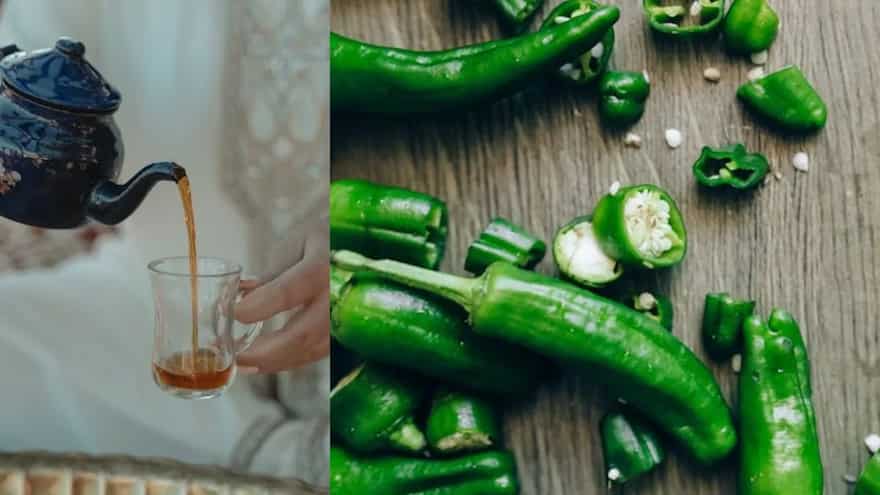
Image Credit: Pexels
Tripura's salt and chilli chai is among its most unique dishes. This drink, which is particularly well-liked throughout the winter, is a comforting, savoury, and slightly spicy concoction of brewed tea, crushed local chillies, and a touch of salt. It is frequently served as a warming drink during social events or as a morning energiser, reflecting the state's fondness for strong, unusual flavours.
It is somewhat different from the creamy chai that is popular throughout most of India. What matters most is that people love it, regardless of whether it's a household dish, a regional taste, or an inventive way to drink in cold climates.
Discovering new ways to appreciate tea is fascinating. And with that being said, here are a few other tea flavours you should taste in 2026:
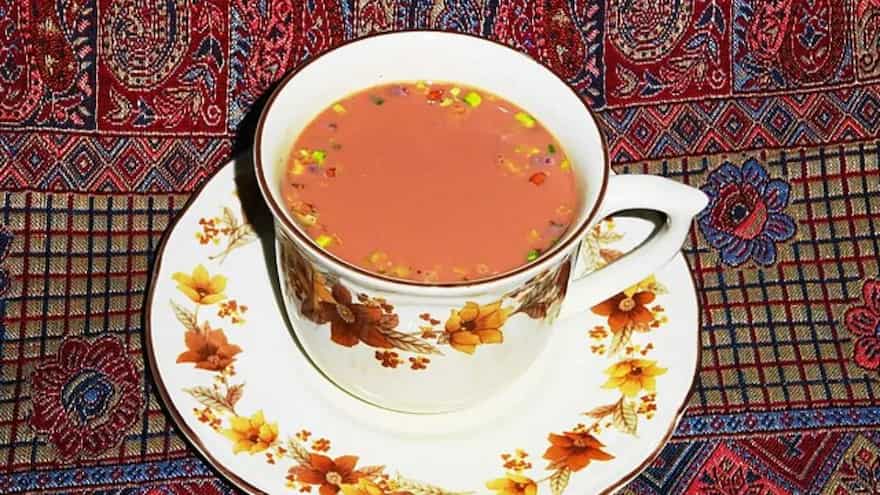
Image Credit: Wikimedia Commons
Kashmiri Noon Chai
One of the highlights of Kashmiri culture is its traditional beverages, particularly Kahwa and noon chai. These two teas hold a significant place in the hearts and palates of Kashmiris and have gained popularity worldwide. Also known as "sheer chai" or "ink tea," it is a traditional beverage that holds a special place in the hearts of Kashmiris. It is believed to have been introduced during the reign of the Mughals in the region. Noon chai has gained popularity due to its unique pink hue, which is achieved through the addition of a special ingredient. Made using green tea leaves, milk, salt, baking soda, and a unique ingredient known as "sodium carbonate" or "khambal," which gives the tea its distinctive pink colour, the tea is brewed in a samovar. The tea is often enjoyed with traditional Kashmiri breads like lavasa or sheermaal, creating a perfect harmony of flavours.
Kolkata Chocolate Chai
No wonder an Indian kitchen is incomplete without chaipatti at home. There have been a combination of chai and milk chocolates, too. One such experimental chai is the popular chocolate chai from Kolkata. If you exit the Rabindra Sarovar Metro Station through Gate No. 6, you’ll find this small thela on the street called Tripti selling a range of hot beverages. If you love chai and are open to tweaks in your cuppa, then you’ll love this place. The little kiosk serves up chocolate chai that has the internet going crazy. For just INR 25, for the small cup, shivering Kolkatans are lining up for a cuppa that’ll keep them warm. They also have malai chai, malai kesar chai, chocolate chai and even special chocolate cream coffee! Tripti is super popular!
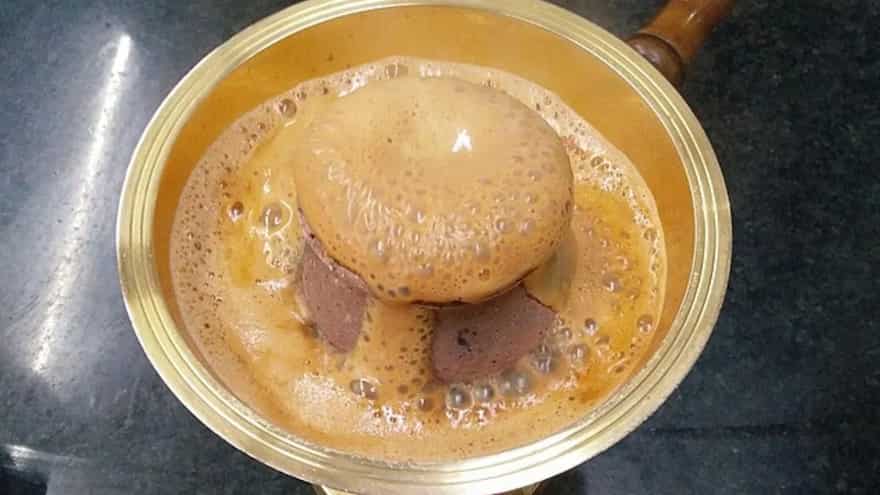
Image Credit: Wikimedia Commons
Pune Tandoori Chai
If you are a fan of tandoori paneer or tandoori chicken, you may be aware of the process by which they are prepared. The word ‘Tandoori’ refers to the process of cooking anything in a tandoor - a cylindrical clay or metal oven that is dug up deep in the land. Traditionally, meat chunks or vegetables are cooked over skewers with coal in it. The idea behind tandoori chai is quite the same. After it got the buzz from a tea shop based in Pune, called 'Chai La,' serving this unique concoction, the quirky preparation style made it an instant trend, wherein an empty kulhad or clay pot is pre-heated in a tandoor, and then half-cooked tea is poured into it. It eventually gets fully brewed. The preparation lends a very unique, earthy flavour to tea, along with a smoky taste that will surely refresh you after a tiring day.
Bengaluru’s Sulaimani Chai
This steaming hot cup is not only a concoction of flavours, but also the warmth of cultures that Bengaluru is home to. Freaky rain showers and Sulaimani by the roadside go hand in hand in the city. Best relished in ‘cutting chai glasses’, this special variety of tea uses no milk, but instead blends tea leaves with cardamom, cinnamon, clove and sugar or honey. And yes, a dash of lemon and fresh mint leaves floating on top make this fragrant, sweet and sour tea perfect to sip. Simple yet irresistibly delicious, Bengalureans love their Sulaimani chai with samosas and other tidbits. Although the origin of the tea can be traced to Arabia, this spiced cuppa is widely admired along the Malabar Coast of India. Often enjoyed after hearty meals, Sulaimani chai is also popular for its digestive properties and is apparently a staple item on the wedding menus of Kerala’s Mappila community.
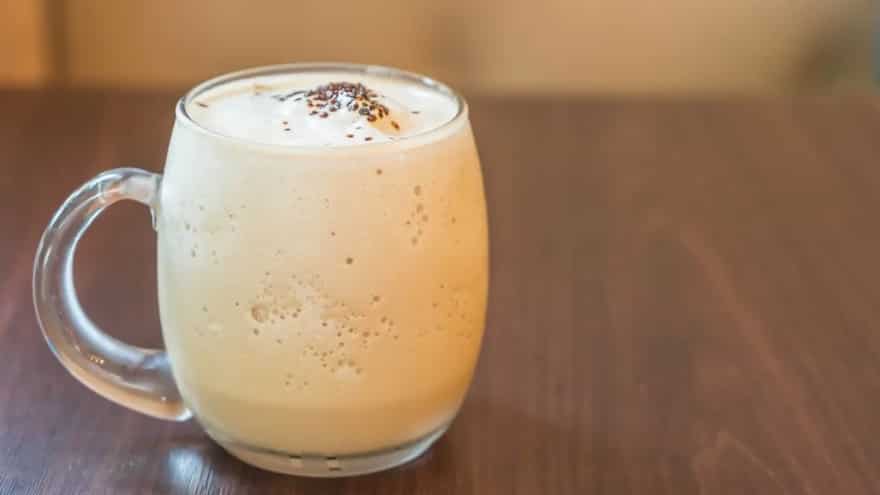
Image Credit: Freepik
Taiwanese Cheese Tea
Cheese tea is an intriguing and somewhat bizarre tea trend in Asian countries. Contrary to expectations, it doesn't involve a wedge of cheddar in your cup. Instead, it combines rich, creamy cheese foam with traditional tea, creating a unique and delightful blend of sweet and savoury. The velvety cheese topping, often made with cream cheese and condensed milk, adds a luscious texture to the aromatic tea beneath. This unconventional pairing has taken the tea world by storm, offering a surprising and indulgent flavour experience. Similar to boba tea, Taiwanese cheese tea is a sweet and savoury beverage that has gained popularity in Taiwan and many other Asian cities. This cold tea is frequently made with either black or green tea, milk, or neither, and is topped with a foamy crown of whipped cream cheese, milk, and a dash of salt. Cheese tea should be consumed through the cup's lip or a special lid that allows for the tea and foam to mix for about an inch while being consumed. Cheese tea should be consumed cold, without ice, and without a straw so that nothing prevents the flavours from blending.




