


 Share
Share

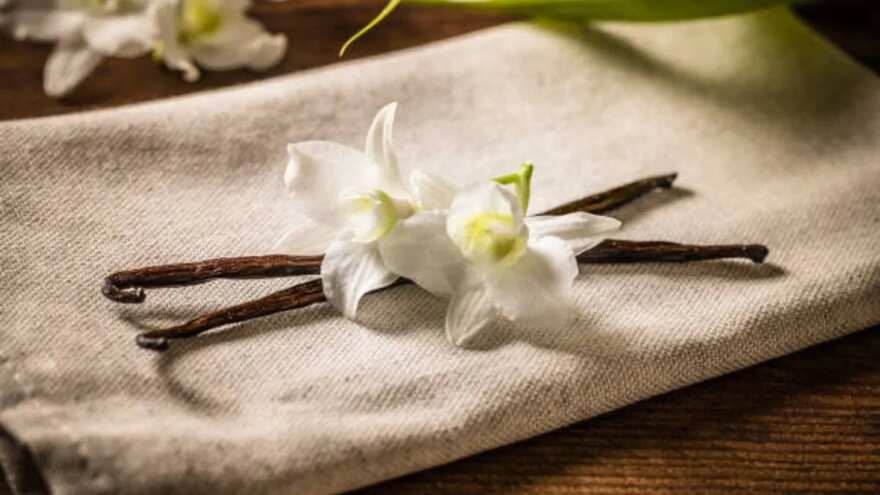
Vanilla originates from the pods of the orchid Vanilla planifolia, a delicate crop that requires manual pollination and careful curing. This labour-intensive process makes natural vanilla one of the most expensive flavouring ingredients in the world. In India, demand has risen as baking and confectionery have become more mainstream in home kitchens and professional settings alike. Consumers are often confronted with vanilla beans, extract, and essence on store shelves, yet the differences between them are not always clearly understood. A closer look at each form, its origin, and its use in Indian cooking can clear this confusion and help build better appreciation for quality.
Vanilla Beans: Pure And Authentic
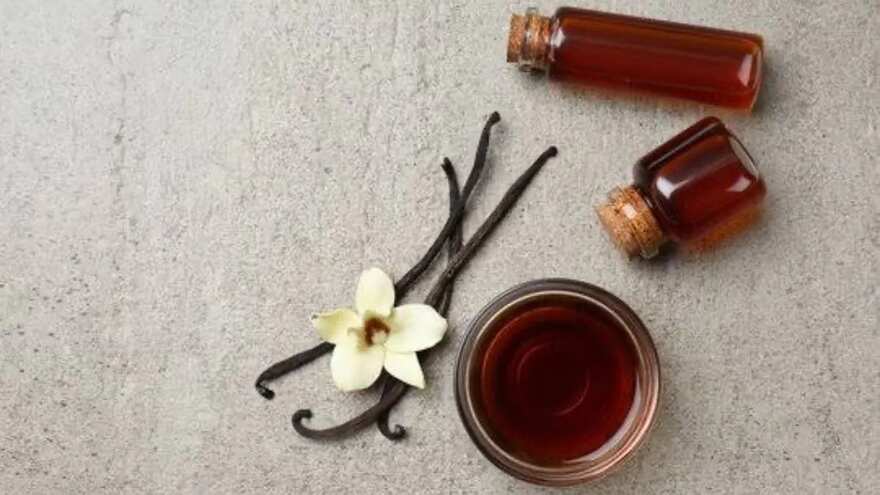
Vanilla beans are the whole pods harvested from the orchid plant. They appear long, dark, and flexible, with tiny seeds enclosed inside. These seeds hold the strongest aroma and flavour profile. Using beans requires splitting the pod and scraping out the contents, often to be infused in milk, cream, or custards. In India, vanilla beans are available but at a higher price due to limited domestic production and high import costs. Professional bakers prefer them for recipes where vanilla is the main flavour note, such as ice creams, crème brûlée, or delicate pastries. Home cooks may use them on special occasions, since one pod can flavour a considerable quantity. Beans also allow cooks to make homemade vanilla sugar or infused syrups, extending their use beyond immediate cooking.
Vanilla Extract: The Sweet Spot
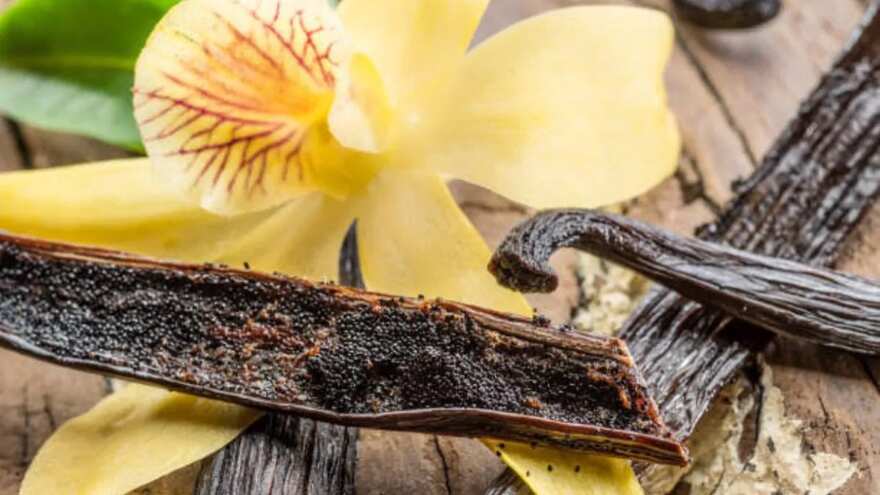
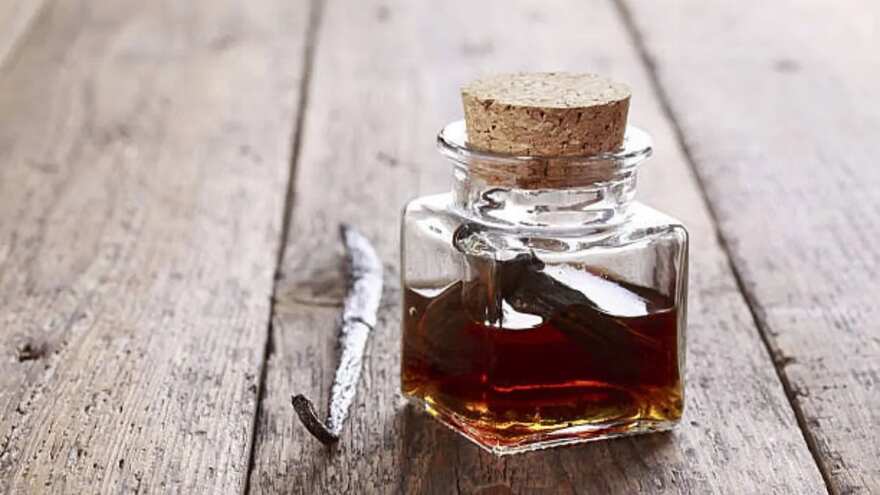
Vanilla extract is produced by steeping vanilla beans in alcohol and water over time. The process draws out natural flavour compounds like vanillin, giving the extract a rich aroma. Pure extract is labelled clearly and contains no artificial flavouring agents. For Indian bakers, extract has become the most reliable choice for everyday recipes, balancing quality with convenience. It blends easily into cake batters, cookies, and puddings, offering authentic flavour without the need to handle whole pods. A teaspoon of pure extract is generally equivalent to a small section of bean, making it efficient for consistent results. Consumers are advised to check product labels carefully, as some brands may use synthetic ingredients under similar packaging. Authentic extract remains the preferred option for those who value natural flavour and are willing to pay slightly more.
Vanilla Essence: Synthetic And Accessible
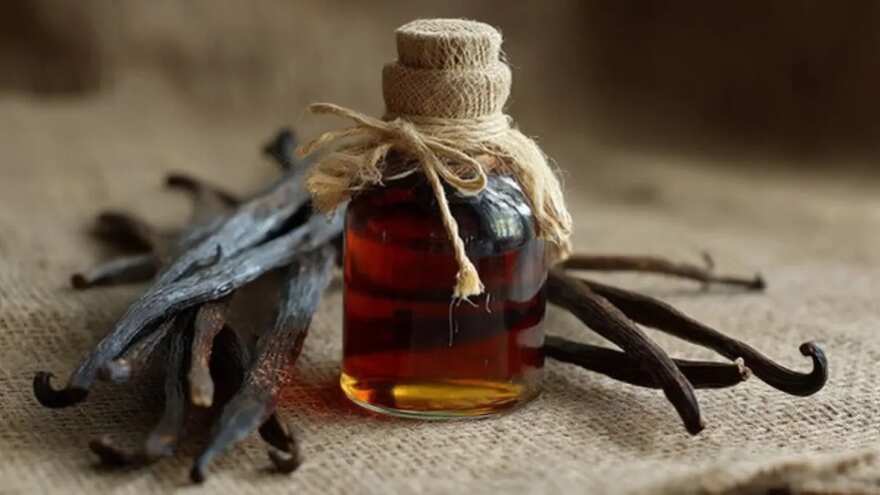
Vanilla essence is commonly found in supermarkets across India and is the most affordable option for household use. Unlike extract, essence is manufactured using synthetic vanillin or related compounds designed to mimic the flavour of real vanilla. It does not contain the complexity of natural beans, and the taste is often flatter or sharper. However, it remains popular for quick desserts and budget-friendly recipes where vanilla is not the dominant flavour. For example, in everyday sponge cakes or custards served at home, essence can provide an accessible flavour addition. While it is widely available, consumers should remain aware that essence does not replicate the depth of natural vanilla and should be chosen with that expectation in mind.
Differences In Quality And Application
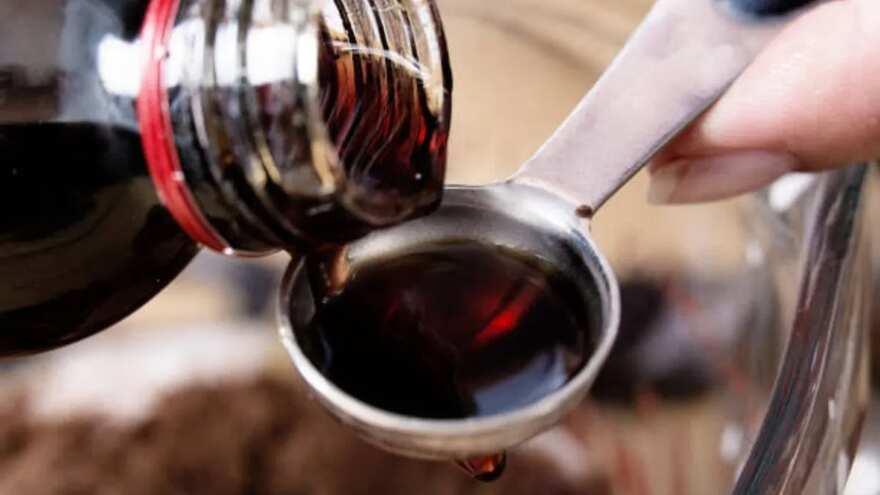
When comparing beans, extract, and essence, quality is most evident in both aroma and stability during cooking. Beans contain hundreds of flavour compounds beyond vanillin, giving them unmatched depth. Extract preserves much of this complexity and offers convenience, which explains its popularity in baking. Essence, by contrast, delivers a straightforward flavour that does not evolve during heating. In Indian kitchens, the choice often depends on the role of vanilla in a dish. For a festive cake where vanilla is central, beans or pure extract deliver better results. For recipes where vanilla plays a supporting role, essence may be sufficient. Professional kitchens and patisseries almost always choose beans or extract for consistent excellence.
Price And Availability In The Indian Market
Price is another defining factor that influences consumer choice in India. Vanilla beans remain the costliest, often sold individually or in small packets. Extract is moderately priced and now available through premium baking supply stores, online platforms, and select supermarkets. Essence is the most accessible, found in nearly every local grocery shop at very low prices. Availability also varies by region, with metropolitan areas offering greater access to pure extracts and beans, while smaller towns still rely largely on essence. As awareness of authentic flavour grows, more Indian consumers are investing in beans and extracts for home baking, despite the higher price point. The shift is gradual but clear, supported by increased demand for artisanal and homemade desserts.
Choosing The Right Form For Recipes
Selecting between beans, extract, and essence comes down to context, budget, and the level of flavour required. For recipes where presentation and authenticity matter, such as wedding cakes, gourmet desserts, or festive family gatherings, vanilla beans are unmatched. Extract provides the perfect middle ground, offering genuine flavour at a price point that suits most home bakers. Essence remains suitable for beginners or for large-scale cooking where cost plays a defining role. In India’s expanding food culture, consumers now have the option to choose based on both taste and philosophy. Those who value natural ingredients lean towards beans and extract, while those prioritising convenience may continue with essence. Over time, exposure to global baking practices is likely to encourage wider appreciation for authentic vanilla.




