


 Share
Share

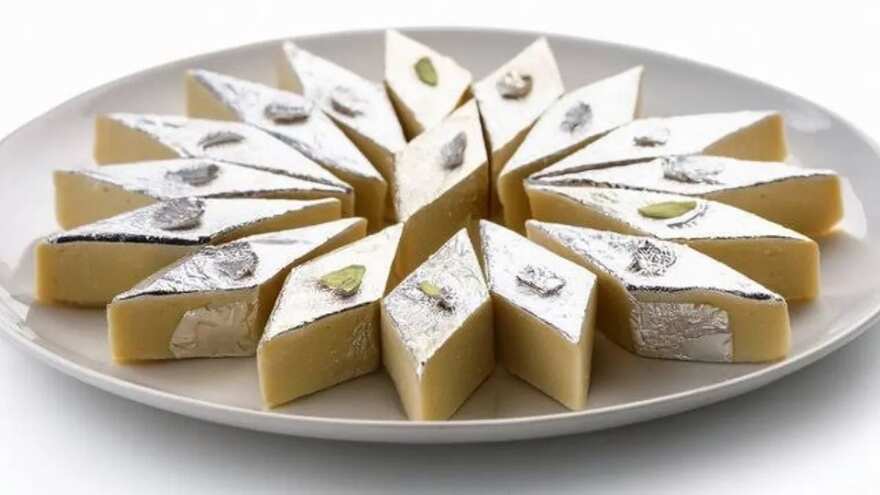
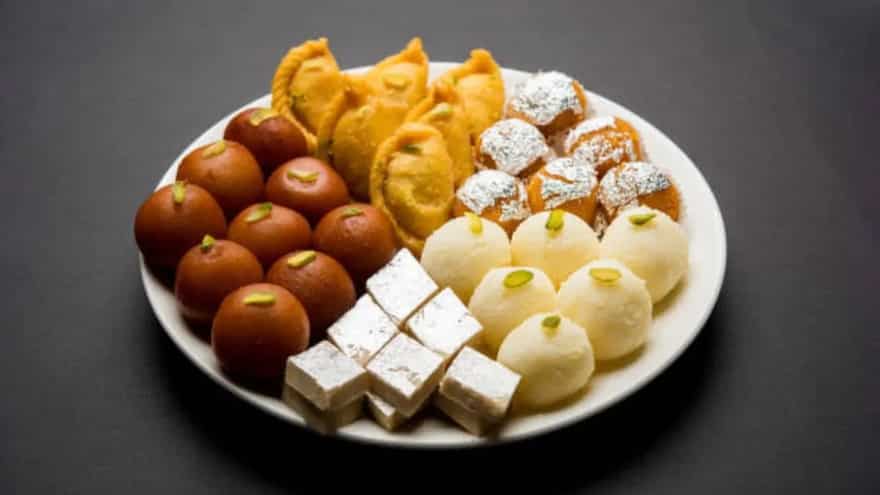
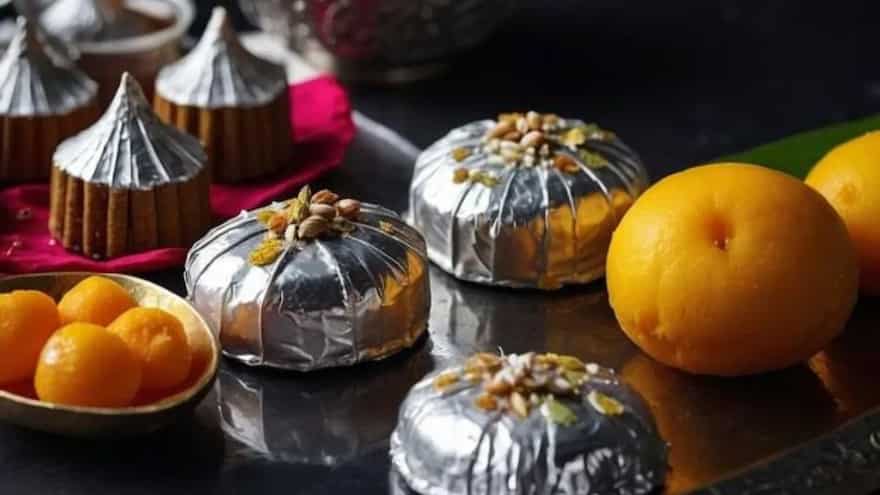
In Indian homes, sweets often form the centre of celebration. During Diwali, Eid, or weddings, mithai with a silver sheen occupies the table and gift boxes. That gleam is edible vark, an extremely thin sheet of silver or gold that sits on the surface of barfi, kaju katli, and laddoos. The word itself comes from Persian and Arabic roots meaning “leaf,” which explains its delicate appearance. Vark is not eaten for taste or nutrition, as it is nearly weightless and flavourless, yet it is deeply tied to ritual, prestige, and hospitality. To understand its role in festive food, it is necessary to look at its history, method of preparation, cultural significance, and present-day regulation.
Historical Origins Of Vark In Indian Cuisine
The earliest use of edible metal leaf in India is often linked to the Mughal period. Court kitchens adopted silver and gold as symbols of wealth and served food covered with vark to dignitaries and royal guests. Chronicles of royal banquets describe sweets and even savoury dishes that carried a thin metallic covering. Artisans in cities such as Lucknow and Jaipur developed expertise in beating silver into fragile sheets, and the craft was passed down within hereditary communities. Over time, the custom left palace walls and entered sweet shops and local celebrations. The use of vark spread across religions and regions, partly because of its strong association with prosperity, purity, and prestige. This historical foundation explains why it remains so closely tied to ritual offerings and gifts today.
Methods Of Production And Ethical Concerns
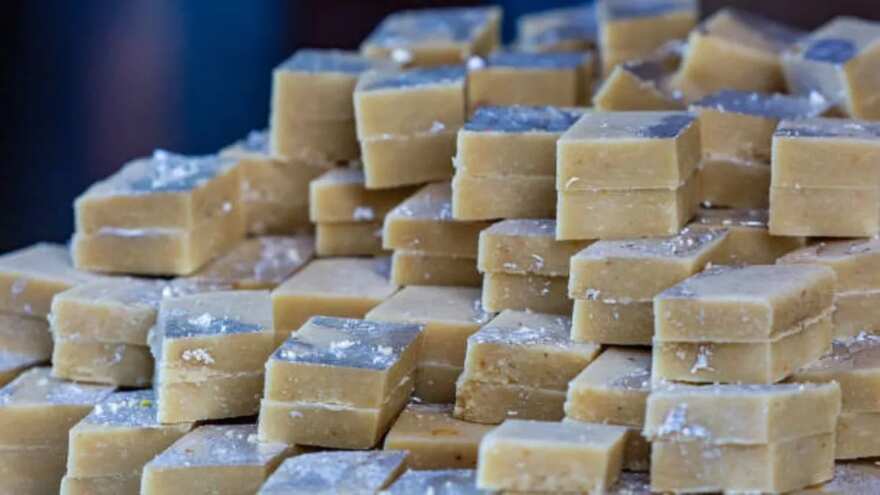
Traditional vark was produced by placing small pieces of silver between animal-derived membranes and hammering them into extremely thin sheets. This practice created controversy as it conflicted with vegetarian principles and raised ethical objections. In recent years, advances in manufacturing have replaced animal membranes with synthetic or plant-based interleaves. Modern machines also allow a more consistent thickness and better hygiene. A genuine sheet of silver vark is usually less than one micrometre thick, which explains why it tears easily when touched. It contributes no flavour but gives sweets a visible brilliance. This delicate craft remains labour-intensive, though it has adapted to meet the needs of modern consumers.
Food Safety Standards And Regulatory Oversight
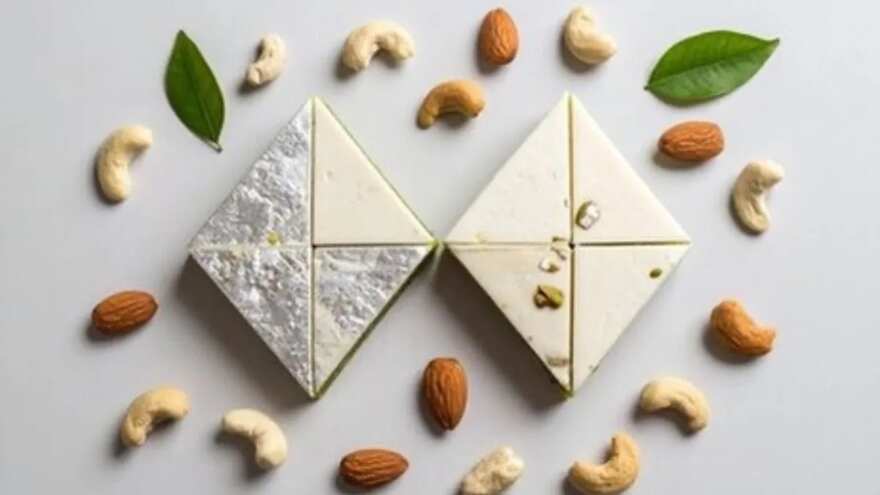
Because vark is used on food, its purity is regulated. The Food Safety and Standards Authority of India (FSSAI) issued clear notifications in 2016 and later years stating that vark must not be manufactured using animal-origin materials. The rules also specify that genuine silver vark must have a purity of 999 parts per thousand and a standard weight of about 2.8 grams per square metre. Enforcement drives have revealed cases of adulteration where aluminium foils or low-purity metals were sold as silver leaf. This has made it essential for sweet makers and consumers to source vark from trusted suppliers and ensure that labels specify compliance with food-grade standards. The rules are intended to protect both cultural traditions and consumer safety.
Cultural Significance In Festive Food
Vark continues to hold a strong place in Indian social and religious life. Mithai with vark is offered as prasad in temples, gifted to relatives during weddings, and served to guests during festivals. The silver sheen is linked with ideas of auspiciousness, generosity, and purity. Families often feel that festive sweets without vark lack a sense of occasion. The symbolic weight of vark has survived through centuries, and this is the reason sweet shops continue to invest in using authentic silver leaf even when costs are high. In modern times, restaurants and chefs have extended the tradition by using vark in cakes, fusion desserts, and even festive drinks, but its cultural core remains unchanged.
Nutritional And Medicinal Perspectives
The nutritional role of vark is minimal because the sheets are extremely thin and contain only trace amounts of metal. Ayurveda, however, does mention preparations of silver and gold in the form of bhasma for medicinal purposes. These uses involved controlled doses and specific formulations prepared by experts. In the case of vark, the amount consumed through mithai is negligible, and its impact on health is insignificant. Its primary function is symbolic and decorative. Despite this, many households continue to associate silver and gold with purity and strength, and that belief contributes to the persistence of the practice.
Economic Value And Social Meaning
For sweet makers, vark adds commercial value. Sweets covered in silver are priced higher and are considered more prestigious. Consumers often prefer to gift sweets with vark during major occasions, as it reflects care and generosity. In social terms, serving vark-covered mithai demonstrates respect for guests and reinforces cultural expectations of hospitality. The economic demand ensures that the production of vark remains steady, even as the price of silver rises. This balance between cultural value and market price keeps vark relevant in the food industry.
Modern Adaptations And Continuing Relevance
In today’s kitchens, vark is no longer confined to mithai. It has entered bakeries, high-end restaurants, and even cocktail menus. Chocolates with vark, cakes decorated with silver, and plated desserts in fine dining spaces all show how the tradition has adapted. At the same time, greater awareness of purity and ethical sourcing has changed production methods. Consumers are more alert about imitation foils, and regulations are stricter than before. Despite these changes, the role of vark has not diminished. It continues to act as a marker of celebration, status, and cultural pride. The thin silver leaf, though nearly weightless, remains firmly embedded in the identity of Indian festive food.




