


 Share
Share

Fat washing describes a method where melted fats mingle with alcohol long enough for the spirit to capture their aroma, texture, and character. The technique transforms the mouthfeel of drinks in a way that feels instantly noticeable, since the spirit takes on a more velvety structure once strained and chilled. Mixologists reach for this approach during the holiday season because the drinks prepared at this time gain an extra sense of richness when infused with ingredients such as butter, coconut oil, ghee, or olive oil. The method also remains accessible since most kitchens already hold at least one fat that can be melted and combined with spirits, which makes it easy for home bartenders to experiment during the festive months.
The spirit, after resting with the warm fat, develops a layered aroma that sits gently on the palate, and this provides a base for cocktails that aim for indulgence. Olive oil, brown butter, coconut oil, and ghee bring unique aromatic profiles, and these can shift the character of rum, gin, vodka, bourbon, or tequila in distinctive ways. Many people enjoy the sense of craft that comes from shaping a drink through this technique, especially when preparing cocktails for gatherings where flavour and texture matter.

Image credit: Pexels
Origins Of Fat Washing
Early versions of fat infusion began in culinary settings, particularly when cooks worked with meat drippings to flavour broths, sauces, and gravies. The idea that fat could carry aroma more effectively than water has been present in kitchens for centuries. Chefs used rendered animal fats to impart depth to meats, vegetables, and roasting pans, and this laid the foundation for later adaptations in the world of drinks. As modern cocktail culture grew more experimental in the early 2000s, bartenders borrowed these principles and began pairing spirits with melted fats.
Bars experimenting with technique discovered that combining alcohol with warm fat allowed the spirit to hold aromatic notes in a layered way. Bourbon washed with bacon fat became an early example that caught attention, and from this point, bartenders explored coconut oil, butter, olive oil, and eventually ghee. The technique proved especially useful because the fat could be removed after freezing, leaving behind a clear spirit with a softer texture and deeper aroma. This made fat washing a natural fit for cocktails designed to feel full-bodied.

Image credit: Pexels
Benefits Of Fat Washing
Fat washing influences spirits in several interesting ways. One of the most noticeable benefits involves texture, since washed spirits often develop a smoother mouthfeel that lingers across the palate. The aromatics of the chosen fat settle into the alcohol with a roundness that becomes more pronounced in shaken or stirred cocktails. Another benefit involves flavour stability, as the infused spirit tends to hold its structure even when mixed with citrus, syrups, or warm ingredients. The technique also allows home bartenders to build drinks with a richness that would normally require cream or heavy modifiers, yet the spirit remains clear once strained.
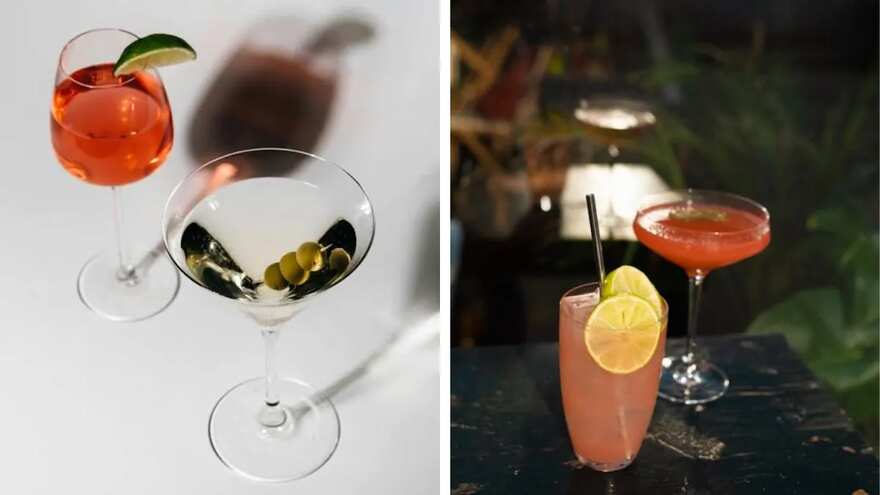
Image credit: Pexels
How To Fat Wash Alcohol
The method remains straightforward and adaptable. A clean jar, a chosen spirit, and a melted fat are all that is required. You can begin by warming your selected fat until fully liquid. Olive oil, brown butter, ghee, coconut oil, and toasted sesame oil all work beautifully. Once melted, the fat can be poured into a jar containing the spirit. A gentle stir helps the mixture settle, and it can then rest at room temperature for a few hours so the infusion takes hold.
When the spirit has absorbed enough aroma, the jar goes into the freezer. The fat rises and transforms into a solid layer, which can be lifted off once firm. The remaining liquid passes through a muslin cloth or coffee filter, removing small particles and leaving a clear, aromatic spirit ready for mixing. The bottle keeps well and proves especially useful during festive entertaining when cocktails move quickly from one round to the next.
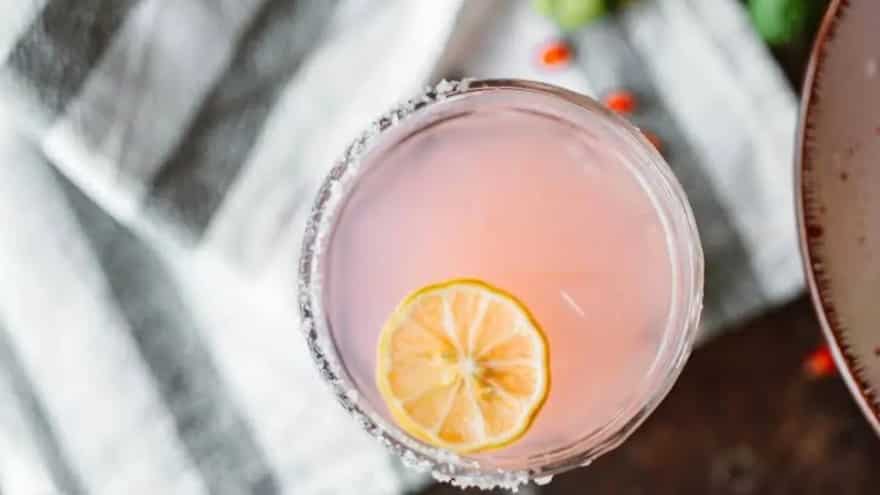
Image credit: Pexels
Fat-Washed Cocktail Ideas
1. Olive Oil Gin Martini With Citrus Perfume
A floral, fruit-forward olive oil works well when washing gin because it introduces a soft, rounded texture while allowing the botanicals to stay lively. Once washed and strained, the gin blends gracefully with dry vermouth. A twist of lemon peel brings a sharp aroma that hovers above the olive oil’s gentle richness, creating a martini suited for evening gatherings where people enjoy a drink with clarity yet with depth.
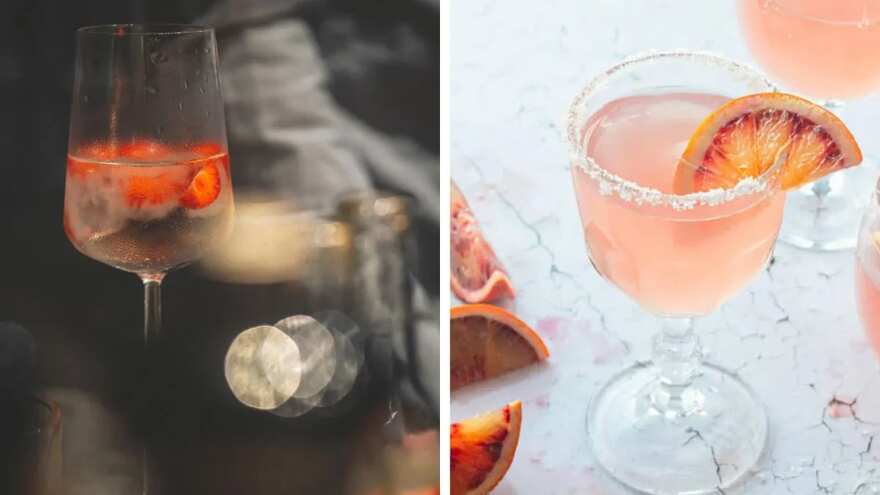
Image credit: Pexels
2. Brown Butter Bourbon Old Fashioned
Brown butter brings a toasted aroma that blends into bourbon with surprising harmony. The washed bourbon can be stirred with demerara syrup and bitters, creating a drink that settles warmly on the palate. The texture carries a softness that people often associate with winter evenings, and a thin orange peel adds brightness without disturbing the brown butter’s warmth.
3. Coconut Oil Rum Toddy
Coconut oil transforms dark rum into a smoother, more mellow spirit. When combined with hot water, a spoon of jaggery syrup, and a splash of lime, the drink gains an inviting aroma that sits comfortably in festive settings. The toddy works well for outdoor or balcony gatherings since the coconut accent softens the heat of the alcohol and creates a satisfying roundness in the cup.

Image credit: Pexels
4. Ghee-Washed Gin Sour
Ghee contributes a gentle aromatic character that seeps into gin with an elegance that surprises many people the first time they try it. The washed gin shaken with lime juice and simple syrup produces a drink that feels lush without becoming heavy. Its texture stands out, and the ghee supports the citrus in a way that makes the drink feel celebratory.
5. Olive Oil Vodka Espresso Cocktail
Olive oil-washed vodka softens the edges of an espresso cocktail in a subtle way. After washing and straining, the vodka blends with espresso, coffee liqueur, and sugar syrup to create a drink that feels polished and full. The olive oil lends a delicate aroma that sits beneath the coffee, adding a sense of richness that people appreciate after a holiday meal.




