


 Share
Share

As the Union Budget 2026–2027 begins to take shape, the Halwa Ceremony, a long-standing tradition, marks the departure of Ministry of Finance officials and employees before their 10-day lock-in period. This tradition, which takes place on January 26, is a light-hearted occasion before officials are confined to the ministry while they draft the government's yearly statement, totally blocked off from the outside world to maintain the highest level of secrecy. Finance Minister Nirmala Sitharaman stirs a big halwa-filled kadhai during the event. Employees are given sweets as a token of appreciation. The ceremony has real significance and is essential to the finalisation and confidentiality of India's budget.
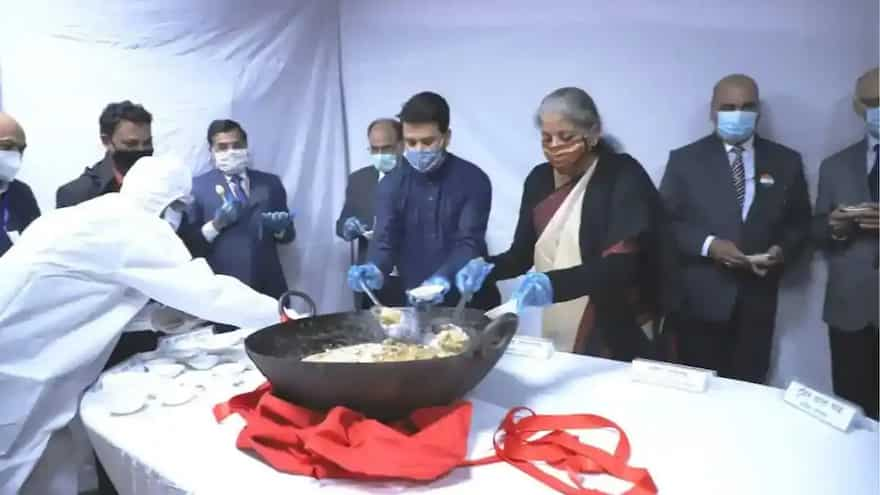
Image Credit: Budget Halwa Ceremony 2021 Ministry Of Finance/Twitter
The Importance Of The Halwa Ceremony During Union Budget 2026-27?
The Union Budget 2026–27 will be presented by Union Finance Minister Nirmala Sitharaman on February 1, 2026. The budget will be delivered on a Sunday, unlike in prior years. This is preceded by the annual Halwa Ceremony, an important but symbolic tradition that ushers in the final and most intimate stage of the Budget. The budget plans are essentially set in stone after the ceremony, with only exceptional changes made. The foundation of the Halwa Ceremony lies in how it emphasises the start of the stringent lock-in period, during which budget confidentiality becomes crucial. Key officials participating in budget preparation are prohibited from leaving the North Block/Budget printing premises or sending any unauthorised messages after the Halwa ceremony.
A Ceremony That Upholds Indian Traditions
It is a known fact that in India, when an individual is about to begin a difficult task or something that requires a lot of hard work, families usually show support by offering a bit of sweets. It shows that when you are out and about, working, you can easily jump through all the hurdles life throws at you. This can range from all types of Indian sweets, depending on the state you are from.
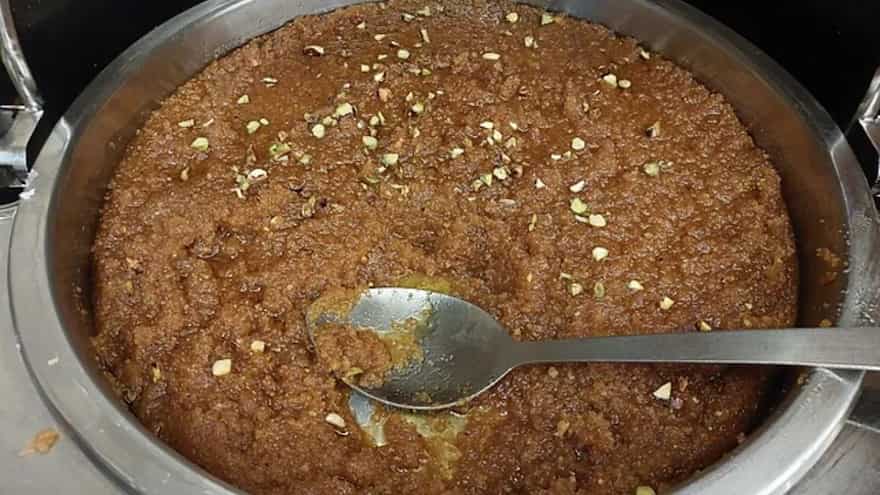
Image Credit: Wikimedia Commons
This belief is reflected in the Halwa Ceremony, which also honours the hundreds of officials who worked hard to prepare the budget. Serving the same meal to everyone emphasises the shared accountability and equality that are fundamental to India's administrative structure. The ritual serves as a reminder that people, not simply numbers on paper, affect policymaking, even as governance becomes more digital and contemporary.
For many years, India's budget-making process has included the Halwa Ceremony. The Halwa Ceremony has stayed consistent, signifying continuity among shifting procedures, even though many components of the Budget presentation have changed, from nightly speeches to morning statements, and from briefcases to tablets.




