


 Share
Share

Gujarati cuisine includes many popular dishes like dhokla, thepla, and khichdi that are available in restaurants across India. However, these only show a small part of what is eaten in Gujarati households. Many meals are made with simple ingredients, often based on the season or what is available at home, and have been part of everyday cooking for decades.
These dishes are not prepared for festivals or special guests. They are cooked as part of the weekly routine, usually using vegetables and grains that are easy to find locally. Most of them are not written in cookbooks or offered at food stalls. Instead, they are passed down within families and continue to be made in home kitchens.
This article includes five such Gujarati dishes that people still enjoy at home but that are rarely seen on restaurant menus.
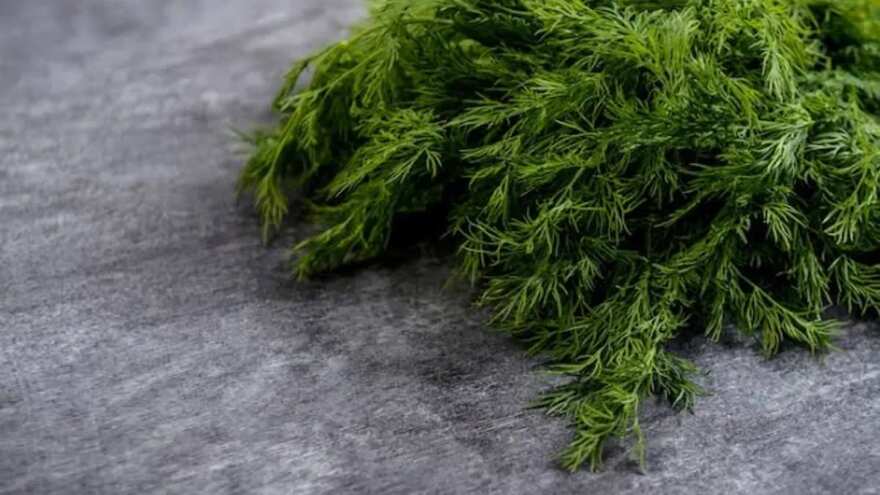
1. Sua Ni Bhaji (Dill Leaf Curry)
Sua ni bhaji is a curry made using dill leaves, which are called sua in Gujarati. The leaves are finely chopped and usually cooked with yellow moong dal or diced potatoes. The preparation includes a basic tempering of cumin, hing, green chillies, and sometimes garlic, depending on family preference.
The dish is usually served with fresh rotlis and sometimes rice. It is commonly cooked in the winter months or for people recovering from illness or childbirth, since dill is considered to be warming and good for digestion.
Sua ni bhaji is made quickly using a few ingredients and is a regular part of home cooking in Gujarat. Because dill leaves have a strong smell and soft texture, this dish is not served in restaurants, but many families continue to make it during the cold season.
2. Gunda Nu Shaak (Gum Berry Curry)
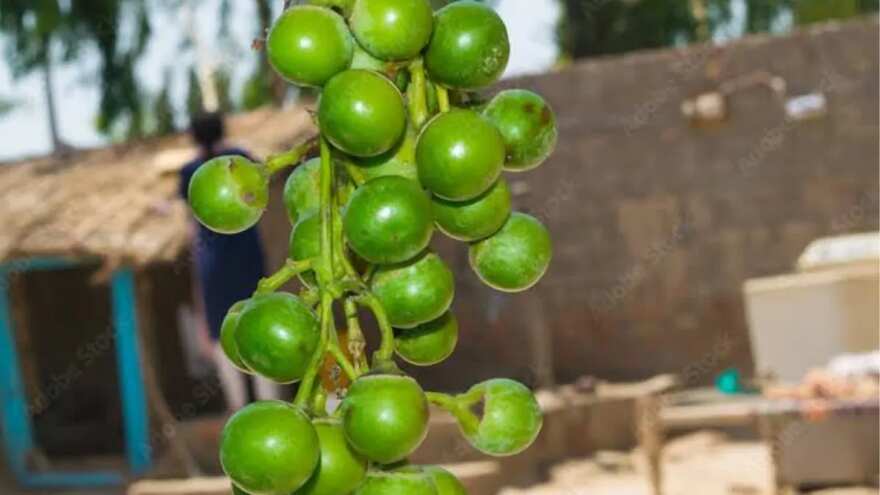
Gunda nu shaak is made using gunda, also called glue berries or gum berries, which are available only during the summer. The fruit is round and firm with a sticky seed inside. In this dish, the berries are stir-fried with mustard seeds, fenugreek seeds, turmeric, chilli powder, salt, and lemon juice.
Some versions of the dish include a dry masala stuffing made from besan and spices. Others cook the berries whole. The final dish has a spicy and slightly sour flavour, and the gunda becomes soft while keeping its shape.
Gunda nu shaak is usually served with thepla, bajri rotla, or puris. It is a seasonal preparation and is made when fresh gunda are available in the local markets. Since the fruit is not easily available all year and needs careful cleaning before cooking, the dish is not made in restaurants, but many homes still prepare it every summer.
3. Dal Dhokli
Dal dhokli is a one-pot meal made using tuver dal and wheat flour dumplings. The dal is cooked with turmeric, ginger, jaggery, kokum, and green chillies. The wheat flour is kneaded into a soft dough with chilli powder, turmeric, salt, and oil, rolled out, and cut into diamond shapes. These pieces are dropped into the boiling dal and cooked until soft.
The dish becomes thick and filling, with the dhoklis absorbing the flavour of the dal. Some people add peanuts or a spoonful of ghee on top before serving. Dal dhokli is usually eaten hot, with no side dish required.
It is commonly made on weekends or when there is leftover dal from the previous day. It is not served in restaurants because it is time-consuming to prepare fresh for each order, and does not hold up well if kept for long. Many Gujarati families cook it regularly as a complete lunch or dinner.
4. Paanki (Rice Flour Pancake Steamed In Banana Leaf)
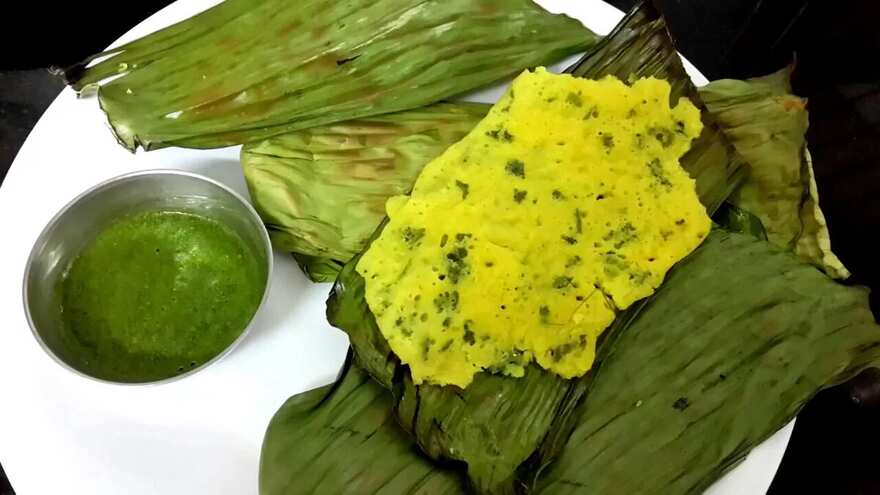
Paanki is a thin, savoury pancake made from a fermented batter of rice flour, yoghurt, green chilli, ginger, cumin, and salt. The batter is spread between two banana leaves and lightly steamed on a tawa until it cooks through and can be peeled away from the leaf.
The result is a soft, slightly elastic pancake with a light aroma from the banana leaf. Paanki is eaten hot, usually with green chutney or a spoonful of ghee. It is made as a breakfast or light meal and sometimes served to guests at home.
Since it needs fresh banana leaves and careful cooking over a low flame, it is not a practical dish for restaurants to serve. However, in many Gujarati households, paanki is made during weekends or special breakfasts, especially when the weather is cool.
5. Golpapdi (Wheat And Jaggery Sweet)
Golpapdi is a simple sweet made using wheat flour, ghee, jaggery, and dry ginger powder. The wheat flour is roasted in ghee until golden, and jaggery is added while the mixture is still hot. It is pressed into a flat plate and cut into pieces once set.
Some families sprinkle poppy seeds or add slivers of almond or cashew on top. The sweet is usually made in winter or when someone wants a quick homemade snack. It is also prepared for new mothers, as it is believed to give strength and warmth to the body.
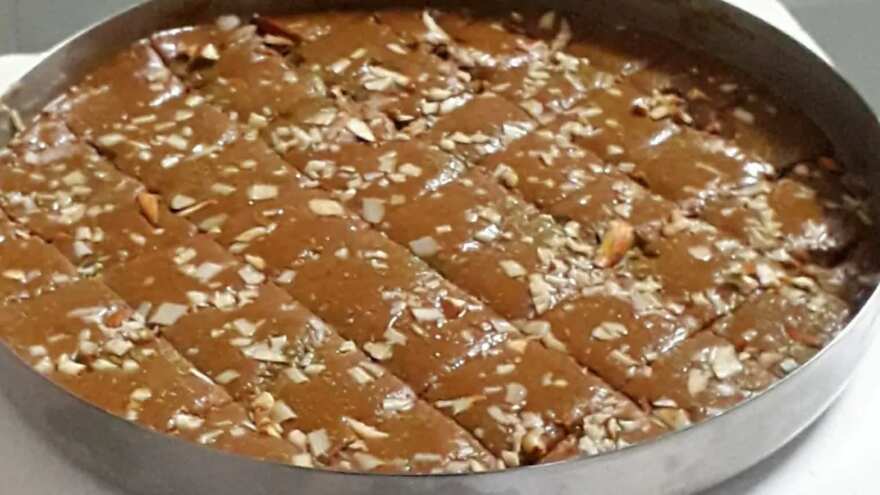
Golpapdi is not commonly found in shops because it has a short shelf life and is best eaten fresh. It is quick to make and continues to be part of daily life in many Gujarati homes.




