


 Share
Share

Chhath Puja, one of the oldest Vedic festivals dedicated to Surya Dev and Chhathi Maiya, continues to be observed with devotion and precision across Bihar, eastern Uttar Pradesh, and parts of Jharkhand. The festival spans four days of fasting, bathing rituals, and the offering of handmade prasad, each step guided by the values of purity and gratitude. Traditionally, every prasad item, be it thekua, kasar, or singhara halwa, is prepared on clay stoves with mango wood. Yet, as homes have evolved, so have the tools that support these traditions. Many families now use compact ovens such as the Usha OTG, which makes it possible to bake prasad with consistency and care, even in urban flats where open-flame cooking is restricted. The transition does not diminish the ritual’s essence; instead, it allows devotees to prepare offerings in clean, controlled conditions while retaining the festival’s sanctity. Baking in an OTG has become a mindful alternative, bridging faith with practicality.
Reimagining Thekua In The Oven
Thekua has always been central to Chhath Puja, known for its deep flavour and symbolic endurance. Made from wheat flour, jaggery, and ghee, the sweet biscuit is traditionally deep-fried until golden brown. With the rise of baking at home, many devotees now prepare Thekua using an OTG, which delivers the same caramelised taste without excess oil. The dough, enriched with jaggery syrup and grated coconut, is shaped using wooden moulds and baked till firm. A light brush of ghee midway through baking helps retain its traditional aroma. The baked Thekua keeps longer, travels easily, and remains as sacred as the fried version since no ingredient or intention is changed. The method simply allows better control over temperature and consistency, especially in homes preparing large quantities of prasad.
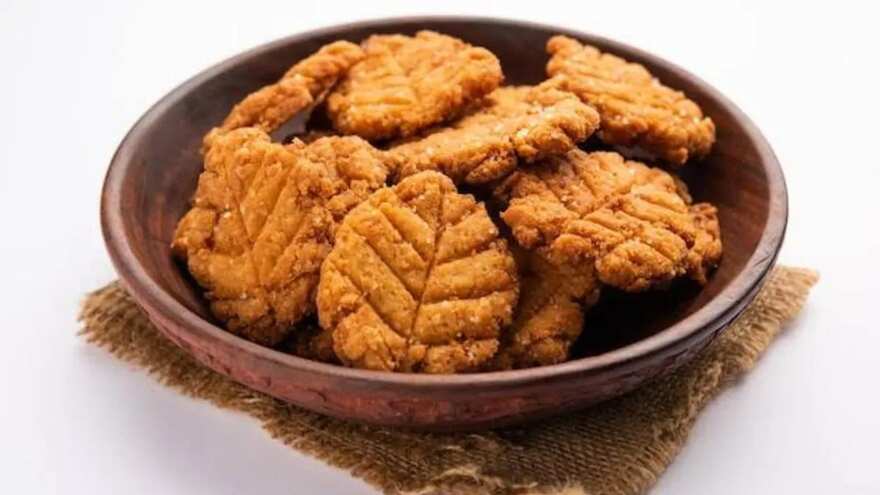
Image credit: Freepik
If you don’t have Usha’s OTG, Shop Now  .
.
Baked Rice Laddus With Crisp Edges
Rice laddus or chawal ke laddu are another integral prasad, made by roasting ground rice with ghee and binding it with jaggery. Earlier, these were shaped by hand and left to cool naturally. In modern kitchens, baking them briefly in an OTG helps set their texture evenly. The rice powder mixture, after being shaped into rounds, is baked at a low temperature so that the edges turn faintly crisp while the centre stays soft. This method extends their shelf life and prevents moisture from affecting them. The baked laddus remain true to fasting guidelines while being easier to store and distribute. For families who make prasad in advance, the baked technique is practical without altering the ritual sanctity of the food.

Image credit: Wikimedia Commons
Wheat Flour Coconut Bars With Jaggery
Inspired by the traditional kasar, baked wheat flour coconut bars have become a gentle innovation in Chhath offerings. The preparation begins with lightly roasting wheat flour in ghee, mixing it with jaggery syrup and grated coconut, and setting it on a tray. Instead of shaping it into laddus, the mixture is baked in an OTG till it firms up and develops a subtle golden tint. Once cooled, it is sliced into neat squares. The fragrance of coconut remains prominent, and the baked texture gives a clean, wholesome sweetness without becoming greasy. This version has become common in households that seek simplicity without compromising the essence of the prasad. The same ingredients, the same prayers, only a more convenient way to cook them.
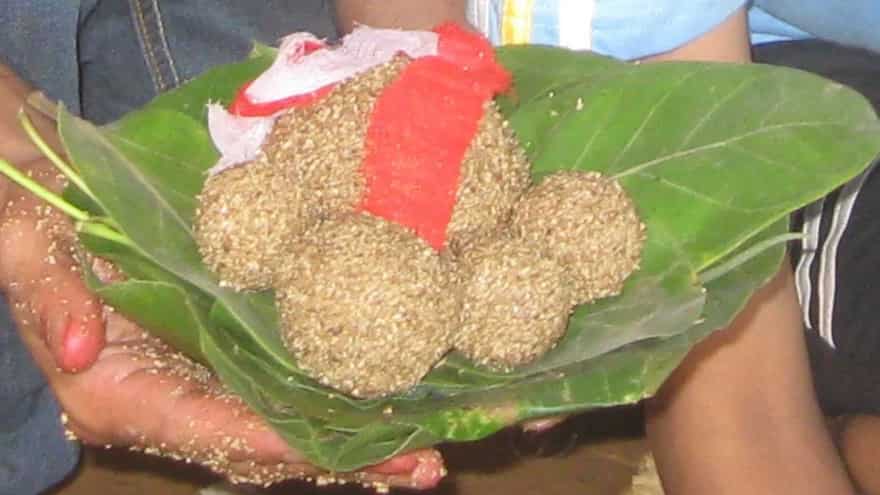
Image credit: Wikimedia Commons
Baked Singhara Halwa Cups For Even Texture
Singhara halwa made with water chestnut flour, ghee, and jaggery, is a symbol of purity in fasting rituals. The baked form has found acceptance among devotees who prefer a structured, set consistency. The batter is poured into small steel cups or ramekins and placed inside an OTG at a low temperature until the edges caramelise slightly. Once cooled, the halwa cups hold shape and can be unmoulded neatly for serving. The oven’s steady heat allows the jaggery to blend evenly, reducing the need for constant stirring. The result is a fragrant, lightly roasted halwa that retains its divine association while offering an easier cooking process.
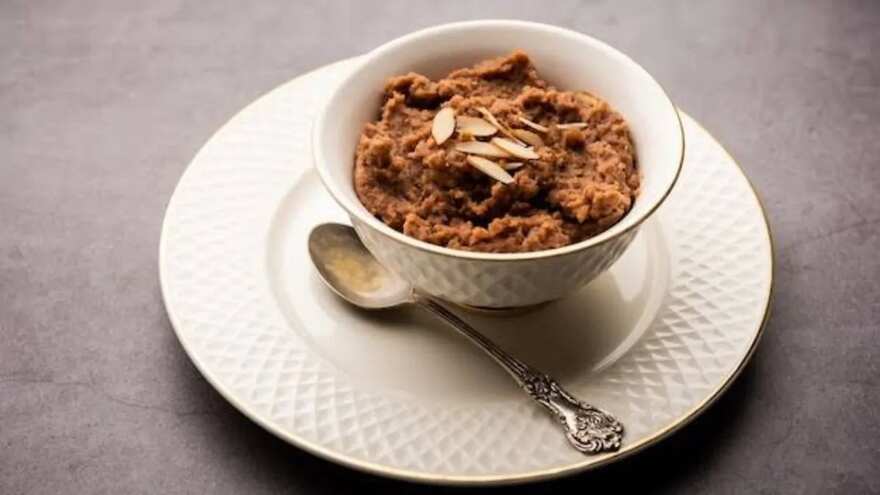
Image credit: Freepik
Sweet Potato Tikkis
Sweet potato or shakarkand holds symbolic importance during Chhath as an offering to Surya Dev. Traditionally boiled and served plain, it is now often baked into soft tikkis mixed with jaggery and a small amount of rice flour. These are brushed with ghee and baked in the OTG till golden. The baked surface develops a gentle crust while the inside stays tender. This method requires minimal handling, ensuring that the fasting restrictions are followed and the prasad remains pure. The tikkis can be prepared in advance and warmed slightly before offering during arghya, keeping the prasad both devotional and practical.

Image credit: Freepik
Banana And Wheat Mini Loaves
Bananas, a key part of the arghya thali, have found a new role in baked offerings. Families now prepare small banana and wheat loaves as prasad, blending ripe bananas, jaggery syrup, and whole wheat flour. The batter is poured into small moulds and baked evenly in an OTG till set. Once cooled, these loaves are sliced and wrapped in banana leaves for freshness. The mild sweetness and soft texture make them suitable for fasting devotees, offering steady energy through long rituals. The inclusion of baked banana loaves shows how families are finding ways to honour ritual foods while using methods that suit their kitchens and time.




