


 Share
Share

As the summer sun begins to warm the terraced fields of Himachal Pradesh and Uttarakhand, the landscape undergoes a vibrant transformation. The pale blossoms of spring give way to heavy clusters of golden fruit. These are the wild apricots, known locally as Chulli in parts of Himachal and Khumani in Uttarakhand. While the sweet flesh of the fruit is a delight, the true treasure for the mountain folk often lies hidden within the hard stone: the apricot kernel. For generations, the people of the Himalayas have practiced a zero-waste lifestyle long before it became a modern trend. In these rugged terrains, nothing goes to waste. When the apricot harvest is in full swing, families gather on sun-drenched rooftops to crack open the pits. This rhythmic tapping of stones against shells is the soundtrack of a Himalayan summer. These kernels, or Gutthi, are not just a snack; they are a cultural cornerstone, a medicinal resource, and a culinary staple that defines the resilient spirit of the hills.
Cultural Significance And Rituals
In the villages of Kinnaur, Shimla, Almora, and Pithoragarh, apricot kernels are deeply woven into the social fabric. They represent foresight and preservation. During the lush summer months, the kernels are meticulously dried and stored to provide much-needed fats and warmth during the harsh, snow-bound winters. Beyond sustenance, the oil extracted from these kernels, known as Chulli ka Tel or Guti ka Tel, holds a sacred place. It is used in traditional lamps during festivals and is the first choice for massaging newborn babies and the elderly. To offer a handful of roasted kernels to a guest is a gesture of genuine warmth and hospitality. It is a gift of the mountains, harvested with patience and shared with love.
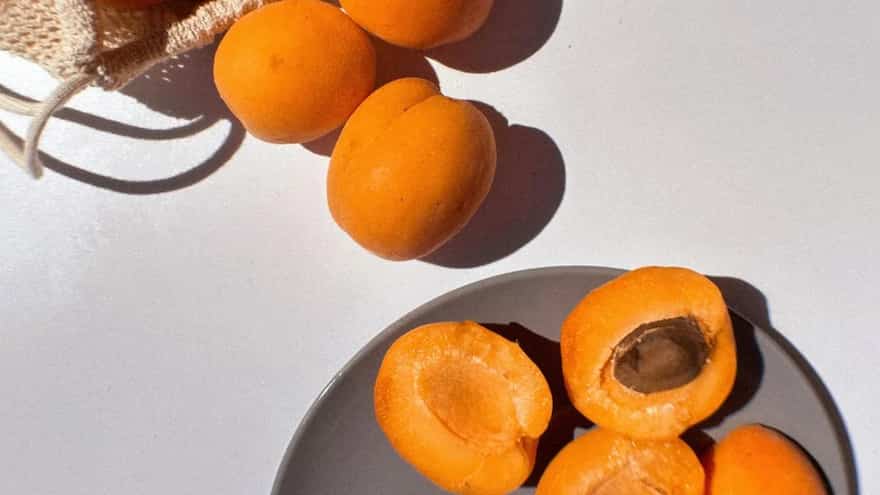
Image credit: Pexels
Health Benefits: A Powerhouse In A Tiny Shell
The Himalayan people are known for their longevity and stamina, often attributed to their clean air and nutrient-dense diet. Apricot kernels play a significant role here. They are exceptionally rich in healthy monounsaturated fats, which are excellent for heart health.
• Skin and Hair Vitality: Rich in Vitamin E and antioxidants, the oil and the paste of the kernels are used topically to combat the drying effects of high-altitude winds. It leaves the skin supple and the hair lustrous without the need for synthetic chemicals.
• Joint and Bone Support: Traditional practitioners often recommend the consumption of sweet kernels and the topical application of the oil to soothe aching joints and manage symptoms of arthritis, which can be common in cold, damp mountain climates.
• Respiratory Relief: In local folklore, small amounts of certain kernel preparations are used to soothe persistent coughs and seasonal congestion.
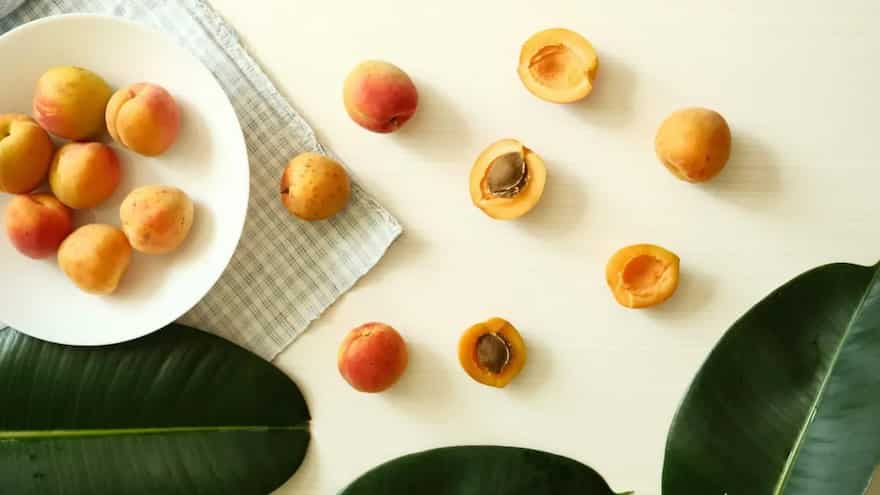
Image credit: Pexels
A Note On Safety: Sweet Versus Bitter
As your friendly guide to the hills, it is important to clarify a vital distinction. In the Himalayas, you will find two types of apricots: the sweet variety and the bitter one. The kernels of the sweet apricots are perfectly safe and taste much like almonds. However, bitter kernels contain a compound called amygdalin, which can release cyanide when digested. While mountain communities have traditional ways of processing bitter kernels to reduce toxins, such as repeated soaking and boiling, it is best for enthusiasts to stick to the sweet varieties for home cooking. Always ensure you are sourcing your Gutthi from a reliable local vendor who can vouch for the variety.
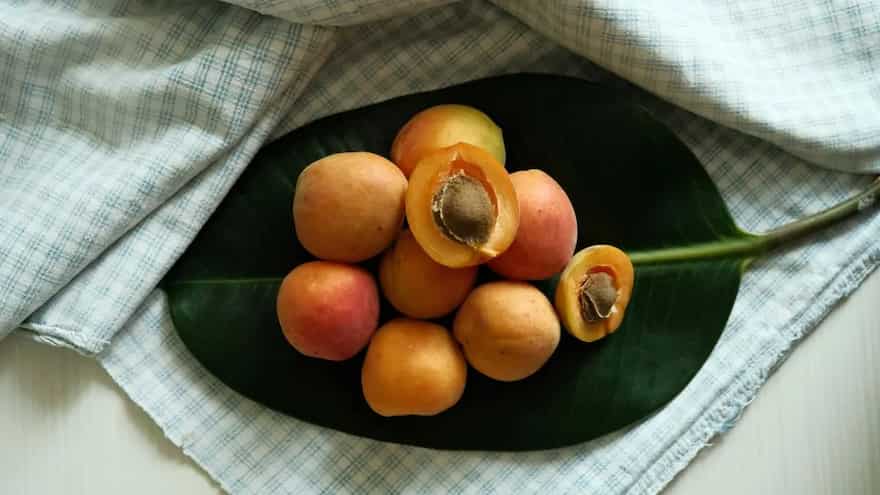
Image credit: Pexels
Three Authentic Himalayan Recipes
1. Chulli Ki Chatni (Apricot Kernel And Mint Chutney)
This is a zingy, earthy accompaniment that graces almost every meal in a Himachali household during the summer. It provides a beautiful contrast to heavy dals or stuffed parathas.
Ingredients:
• Half a cup of sweet apricot kernels (soaked for two hours)
• A handful of fresh mint leaves
• Two green chillies
• A small piece of ginger
• One teaspoon of cumin seeds
• A pinch of black salt
• Juice of half a lemon
• A teaspoon of jaggery (optional)
Method:
Begin by peeling the soaked kernels; the skin should slip off easily. In a traditional stone mortar and pestle (sil-batta), grind the kernels into a coarse paste. Add the mint leaves, chillies, ginger, and cumin, and continue to grind until you achieve a rustic texture. Incorporate the black salt, lemon juice, and jaggery. The result is a creamy, nutty chutney with a refreshing minty finish.

Image credit: Adobe Stock
2. Gutthi Ka Halwa (Apricot Kernel Flour Pudding)
This is a celebratory dish, often made during local fairs or family gatherings. It is rich, dense, and incredibly aromatic.
Ingredients:
• One cup of apricot kernels, ground into a fine flour
• Half a cup of whole wheat flour
• Half a cup of desi ghee
• One cup of jaggery syrup (made by dissolving jaggery in warm water)
• A pinch of cardamom powder
• A few whole kernels for garnish
Method:
Heat the ghee in a heavy-bottomed pan. Add the apricot kernel flour and the wheat flour. Roast them on a slow flame, stirring constantly. This requires patience; you want the mixture to turn a deep golden brown without burning. Once the nutty aroma fills the kitchen, slowly pour in the jaggery syrup while stirring vigorously to avoid lumps. Keep cooking until the halwa starts leaving the sides of the pan. Sprinkle with cardamom powder and garnish with whole kernels.
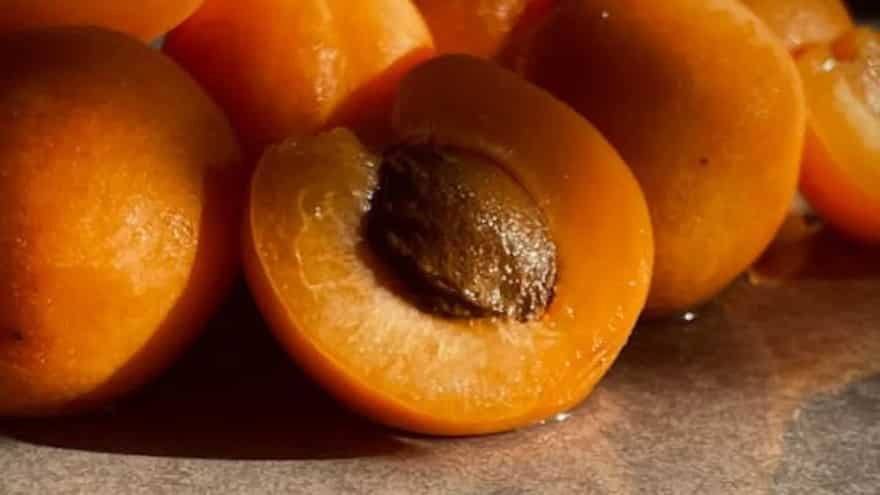
Image credit: Pexels
3. Namkeen Gutthi (Roasted Savoury Kernels)
The simplest and perhaps the most addictive way to enjoy the harvest. This is the ultimate mountain snack, perfect for a rainy summer afternoon with a cup of masala chai.
Ingredients:
• Two cups of whole sweet apricot kernels
• One teaspoon of rock salt
• A pinch of turmeric
• A teaspoon of apricot oil or ghee
Method:
Toss the kernels with a tiny bit of oil, salt, and turmeric until they are evenly coated. Heat a flat iron griddle or a heavy pan. Roast the kernels on medium-low heat, tossing them frequently. You are looking for a gentle crunch and a slight deepening of colour. Let them cool completely before storing them in a glass jar. They become crunchier as they cool down.




