


 Share
Share

Tipsy pudding brings together cake, custard, dried fruit and a spirited splash of alcohol in a bowl that holds several layers and a rich texture. Anyone tasting it for the first time often notices how the soaked sponge carries flavour through the custard, and the fruit delivers a rounded sweetness that suits the season. The dessert appears at winter gatherings across many Indian homes, and families enjoy its generous nature because it feels festive without demanding complex techniques. Its charm comes through the simple act of assembling each layer, and the pudding develops character as it rests in the refrigerator. The alcohol creates a warm note that lingers, and this quality gives the dessert a distinct place at holiday tables.

Image credit: Adobe Stock
Colonial Roots And The Anglo-Indian Connection
The earliest form of the pudding took shape within British households where cooks prepared trifles for elaborate holiday dinners, and the recipe travelled with officers, club staff and domestic cooks who carried British culinary habits into the subcontinent. Anglo-Indian kitchens altered the dessert through small adjustments linked to local tastes. Indian dried fruit replaced some of the European ingredients, and rum became a natural choice because port cities stocked it through the year. The layered structure remained close to the trifle tradition, although the stronger sponge used in many Indian homes held alcohol without collapsing. These shifts formed the foundation of the version now known across the country, and the pudding stayed in circulation because it delivered a reliable and celebratory finale to cold-weather meals.
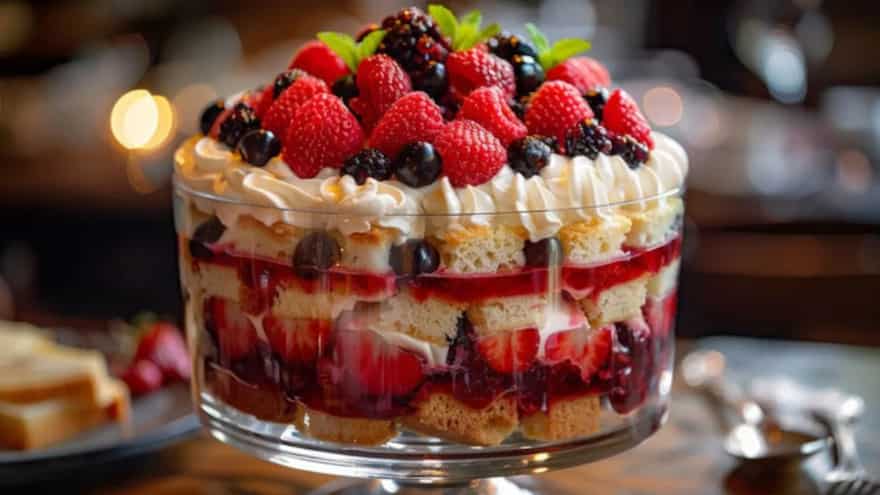
Image credit: Adobe Stock
A Dessert With A Strong Presence In Army Officers’ Mess Culture
The pudding gained an additional identity through its place in army officers’ messes. Military kitchens relied on desserts that served large groups without elaborate equipment, and tipsy pudding suited that need with ease. The recipe allowed cooks to prepare generous quantities that held structure during long dinners. The alcohol-soaked fruit created a sense of warmth that many officers associated with winter gatherings after field exercises or ceremonial evenings. Messes in northern cantonments maintained their own versions, and some kitchens added regionally sourced dried fruit to enrich the aroma. The dessert gained a symbolic presence at year-end dinners, and officers often carried their memories of it into civilian life, which helped the recipe travel into homes far outside cantonments.
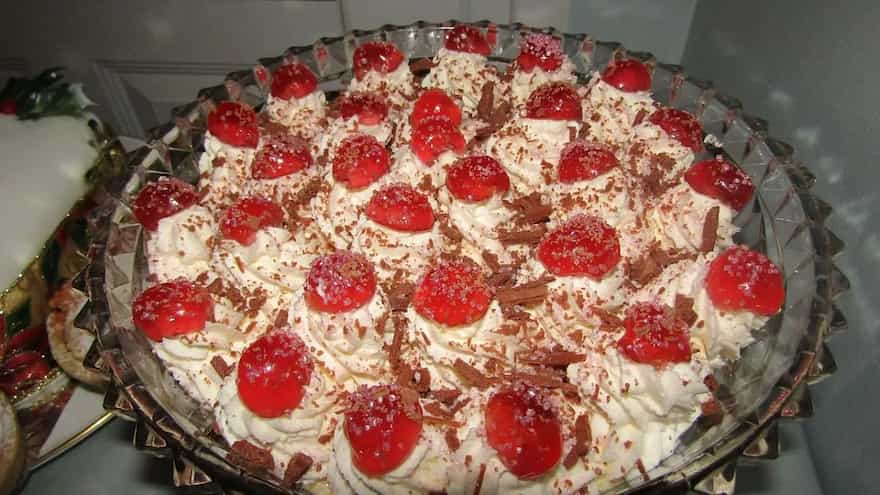
Image credit: Wikimedia Commons
Recipe For A Classic Tipsy Pudding
Here is a traditional method used across many Indian households and mess kitchens. The steps remain accessible, and the ingredients create a pudding with a well-defined layers.
Ingredients
- Sponge cake cubes made from a butter sponge
- One cup raisins
- One cup currants
- One cup sultanas
- Two tablespoons chopped glazed cherries
- One cup rum or brandy
- Four cups milk
- Six egg yolks
- Six tablespoons sugar
- One teaspoon vanilla extract
- Two cups whipped cream
- Toasted almond slivers
- Grated nutmeg
Method
- Begin by placing the dried fruit in a saucepan with the alcohol. Keep the flame on low heat until the fruit swells and absorbs the liquid.
- Prepare the custard by heating the milk with egg yolks and sugar, stirring continuously until the mixture thickens. Add vanilla extract at the end.
- Cut the sponge cake into even cubes and arrange them at the base of a deep glass bowl. Pour part of the warm fruit mixture over the cake. Spread a layer of custard across the fruit. Repeat the layers until the bowl fills.
- Refrigerate the pudding for several hours so the flavours deepen.
- Spread whipped cream across the top before serving. Garnish with nutmeg and toasted almonds.
- Some home cooks grate citrus zest into the custard for a gentle lift, and others add a few spoonfuls of coffee liqueur to the alcohol mixture. These mild adjustments enhance the pudding without altering its essential style.
Why Tipsy Pudding Works As A Boozy Holiday Dessert
The pudding holds a dignified place in holiday meals because alcohol-soaked fruit creates a warm flavour that suits winter evenings. The sponge absorbs the liquor and carries it through every layer, while the custard settles into the bowl with a smooth texture that softens the boozy punch. The layers create a visually striking pattern once the first spoon breaks through the surface, and this presentation adds a sense of occasion to festive tables. Each portion offers a nuanced mix of fruit, cream and sponge, and the result feels indulgent and celebratory! If you have not tried it yet, your next Christmas or New Year’s party offers the perfect moment to bring it to the table.

Image credit: Adobe Stock




