


 Share
Share

TasteAtlas has released its much-discussed list of the 100 best dishes in the world for 2025–26, a selection that always triggers intense curiosity about what different cultures bring to the table each year. The appearance of four Indian preparations: Amritsari kulcha, murgh makhani, Hyderabadi biryani, and shahi paneer, offers a moment to look again at foods that have shaped generations of eating habits across the subcontinent. These recipes have travelled through royal kitchens, bustling markets, and family homes, gathering stories along the way, and the fact that they stand beside some of the world’s most celebrated dishes only reaffirms how strongly they represent their regions. With each entry carrying its own lineage and local pride, this list invites readers everywhere to revisit how these dishes developed and why they continue to draw admiration.
Amritsari Kulcha: Rank 17
Placed at an impressively high number, Amritsari kulcha’s appearance near the top of the list reflects how fully it captures the personality of its home city. Emerging from the food lanes around Amritsar’s old quarters, the kulcha developed as both a mid-morning indulgence and a dependable meal for travellers visiting the Golden Temple. The dough, rested, rolled, and filled with mashed potatoes, onions, and spices, puffs inside the tandoor, creating a flaky crust that breaks apart in warm layers. Cooked traditionally on coal-fired ovens, it has long been associated with local dhabas that treat the kulcha as a craft, with each cook swearing by their own spice ratios. The popularity of this dish outside Punjab grows every year, aided by diners who remember it as a meal linked to community, hospitality, and that unmistakeable tangy side of chole served alongside.
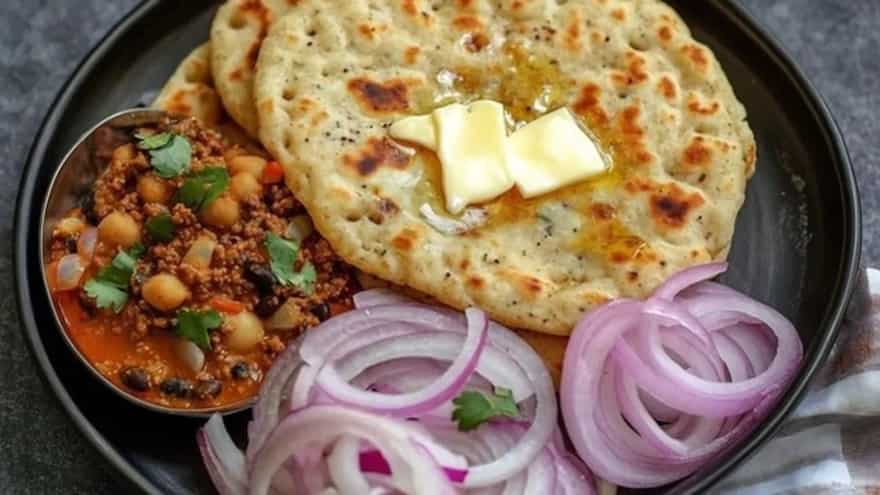
Image credit: Adobe Stock
Murgh Makhani: Rank 66
Murgh makhani, better known internationally as butter chicken, carries a complicated and much-debated history, although many accounts place its roots in post-Partition Delhi. Created by restaurateurs aiming to revive leftover tandoori chicken by simmering it in a tomato-forward gravy enriched with butter and cream, it soon became a dish that defined North Indian restaurant dining. The preparation involves slow simmering, patient stirring, and an instinctive understanding of how the tomatoes should cook down before the chicken goes in. Its appeal abroad, where it is often the first Indian dish people recognise, has helped cement its place in culinary discussions from London to Melbourne. Its inclusion in the global top 100 acknowledges a preparation that started modestly and went on to gain an enthusiastic following everywhere it travelled.
Hyderabadi Biryani: Rank 72
Hyderabadi biryani has long enjoyed near-mythic status within India, and its rank in the TasteAtlas list reflects how powerfully it represents Hyderabadi cuisine. With origins linked to the Nizams’ kitchens, this biryani grew from Persian influences blended with local traditions, eventually forming the distinct dum style that defines it today. Long-grained rice absorbs saffron, aromatics, and steam from either marinated meat or vegetables, depending on the variation. The sealed pot, allowed to cook gently, creates an aroma that escapes in a single cloud when the lid is lifted. Families across Hyderabad often identify with their preferred style, kachchi, pakki, home-cooked, or restaurant-special, and those loyalties have kept the biryani at the centre of countless debates. Its recognition on a world list acknowledges not only its flavour but its cultural position as a dish that shapes how Hyderabad celebrates festivals, gatherings, and everyday meals.
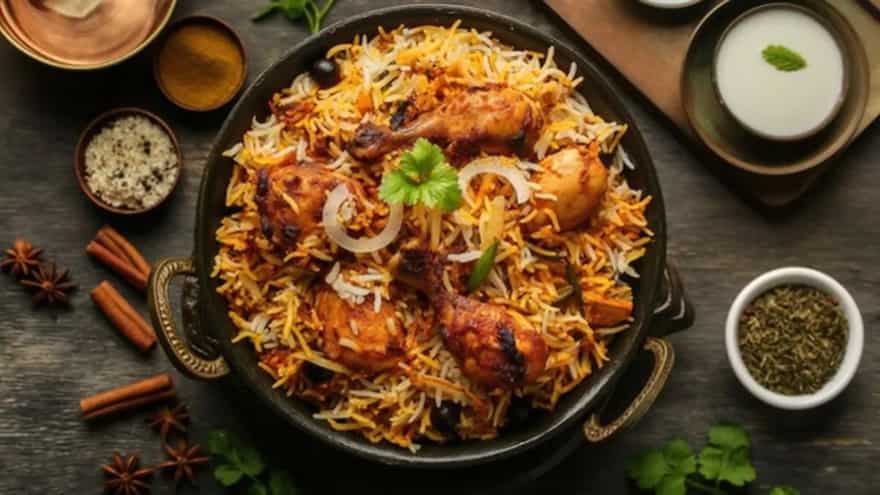
Image credit: Adobe Stock
Shahi Paneer: Rank 85
Shahi paneer’s presence among the world’s best dishes may surprise some, yet its inclusion reflects the reach of a preparation that found its footing in Mughal-era cooking. The word ‘shahi’ hints at its royal background, with cream, ground nuts, and mild spices forming a gravy that once carried an air of luxury. Restaurants across North India adopted the dish early, presenting it as a rich, comforting option for vegetarian diners seeking something festive. The preparation relies on careful handling of the paneer so it stays soft while absorbing the gravy, and Indian households often treat it as a special-occasion recipe. Despite its indulgence, the flavours remain gentle, which may explain why it resonates with diners who prefer rounded, soothing gravies. Its ranking suggests that its quiet appeal continues to hold attention, even in an international arena filled with dramatic, charred, or intensely spiced dishes.
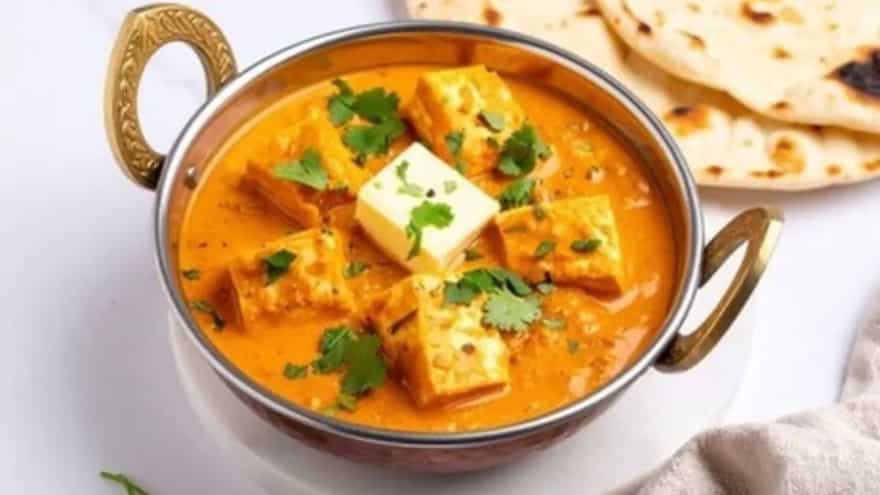
Image credit: Adobe Stock




