


 Share
Share

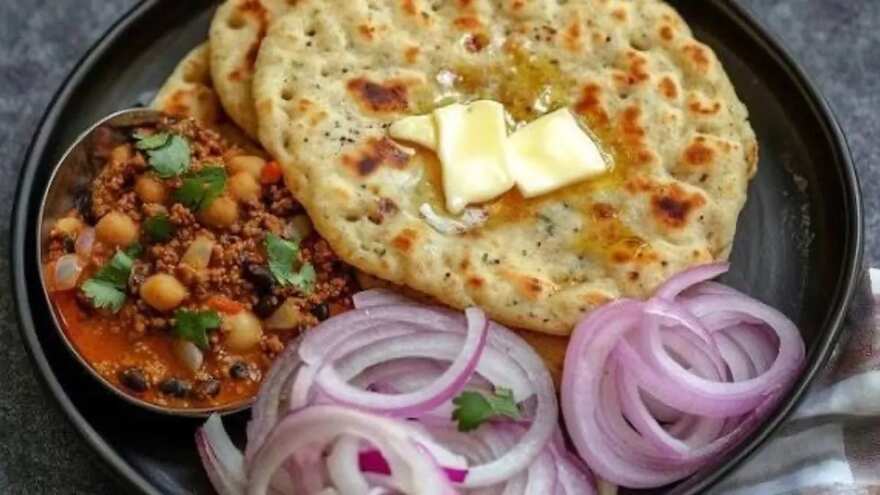
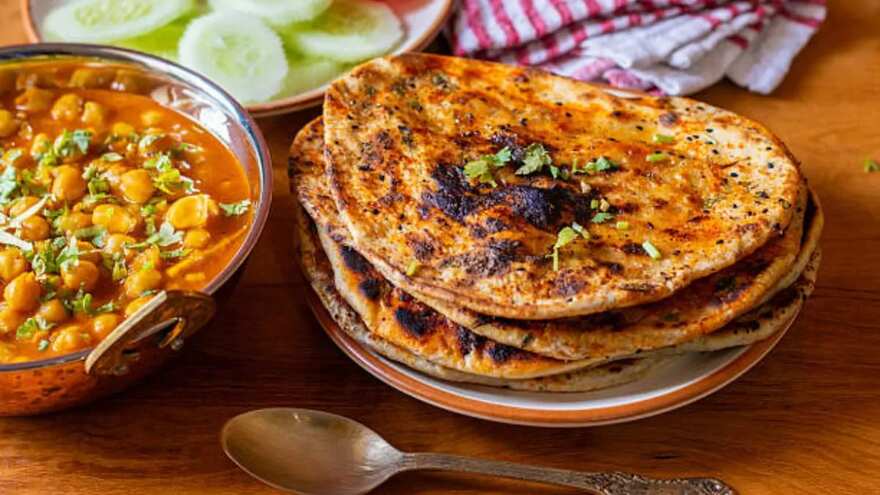
Food has long been an expression of identity, and in Punjab, few dishes capture this more powerfully than the Amritsari Kulcha. This stuffed bread, cooked in a tandoor and brushed with butter, is often paired with chole and pickles, forming a complete meal that locals and visitors continue to seek. Unlike everyday flatbreads, it has grown into a culinary landmark of Amritsar, shaping the reputation of the city’s food culture. The move to obtain a GI tag for the dish is not only about recognition but also about preserving the authenticity of a recipe that has travelled across generations. By seeking this tag, Punjab is making a statement about the protection of regional heritage, safeguarding what belongs distinctly to its land and people.
Origins Of The Amritsari Kulcha
The story of the kulcha in Amritsar dates back to the Mughal period, when breads filled with spices and cooked in clay ovens were a part of courtly kitchens. Over time, the city’s cooks adapted the recipe, making it more robust, hearty, and suited to local tastes. What emerged was a bread that carried the influence of Persian techniques but developed into something unmistakably Punjabi. The kulcha became a speciality of Amritsar, not just because of the recipe but also because of the skill involved in preparing it with precision. Dough fermentation, spiced fillings of potatoes or paneer, and the way it is roasted in tandoors all contributed to its uniqueness.
Rise In Popularity Across Punjab
Amritsari Kulcha gained popularity during the 20th century, as dhabas and street-side stalls in Amritsar began serving it to travellers and traders. The simplicity of ingredients combined with bold flavours made it widely accessible. Tourists arriving in Amritsar for the Golden Temple or for trade soon began associating the city with this bread as much as with its religious and cultural sites. With the growing reach of Punjabi migrants across India and abroad, the kulcha travelled, yet its reputation remained rooted in Amritsar. Even today, while versions exist in other regions, the bread made in Amritsar holds a special reputation for its taste, texture, and cooking style.
The GI Tag Application
The Government of Punjab, through its departments of industries and food processing, has taken formal steps to apply for a Geographical Indication tag for Amritsari Kulcha. A GI tag is a form of intellectual property protection that links a product with a specific region, guaranteeing authenticity and preventing unauthorised use of the name by producers elsewhere. By pursuing this recognition, Punjab seeks to protect the traditional recipe, support local vendors, and build greater awareness around the dish as an official symbol of Amritsar’s food identity. Officials have stressed that without such protection, there is a risk of dilution, as commercial outlets elsewhere label their own bread as Amritsari Kulcha without following traditional methods.

Role In Amritsar’s Food Culture
In Amritsar, food is central to daily life, and the kulcha has become one of the most visible representations of this. Local establishments, some running for decades, have made the dish their speciality, attracting both domestic and international tourists. The bread is usually paired with spicy chole, a tangy chutney, and pickled onions, creating a balance that appeals to a wide range of tastes. Families, traders, and pilgrims alike often begin their mornings with kulchas, which makes it more than just a street-side meal and instead part of the cultural routine of the city. Festivals, social gatherings, and casual meals all find space for the kulcha, reinforcing its role as both everyday sustenance and celebratory food.
Impact Of Recognition On Vendors And Tourism
If the GI tag is granted, it will carry economic and cultural significance. For vendors, it offers legal recognition and protection, allowing them to market their food with a guarantee of authenticity. For the tourism sector, it strengthens Amritsar’s profile as a food destination, where visitors can experience something tied closely to place and tradition. Recognition also helps prevent imitation, which can dilute quality and affect the livelihoods of those who have preserved the recipe. By formalising its status, Punjab positions the kulcha not just as a dish but as an asset for local identity and international recognition.
Preservation And The Future
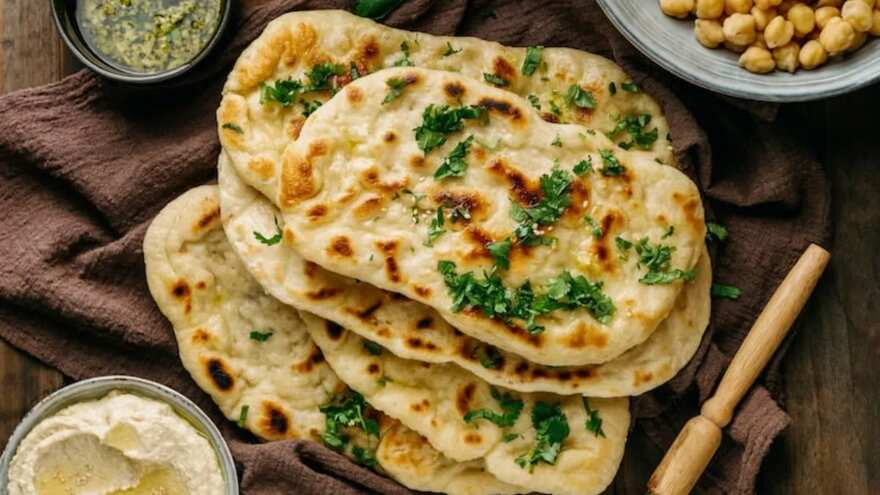
The application for a GI tag reflects a growing awareness in India about safeguarding regional foods and linking them to cultural pride. In the case of Amritsari Kulcha, preservation is not only about recipe or flavour but also about the technique of preparing dough, fermenting it carefully, and cooking it in tandoors, which requires practice and skill. For the next generation of cooks and entrepreneurs, the GI tag could encourage them to retain these methods rather than simplify or commercialise the dish for mass production. The kulcha’s future, therefore, depends on balancing popularity with authenticity, ensuring that what is served under the name of Amritsari Kulcha continues to uphold the culinary values of Punjab.




