


 Share
Share

Indian summers are anything but subtle. They arrive with scorching roads, power cuts, sweaty afternoons, and an endless search for something cooling. In temperatures that can easily cross 40 degrees in several cities, having the correct foods and drinks is extremely important. Although there are air conditioners and packaged beverages that help you survive, Indian streets have their own solutions which have been working for decades.
If you are in markets, on beaches, outside schools; thereare roadside stalls filled with summer street food that are less about indulgence but more about relief. These foods are especially designed around heat, hydration, affordability, and comfort. They are seasonal staples that return every year, and become an important part of summer as much as mangoes and afternoon naps.

(Image Credit: Wikimedia Commons)
Ice Gola
Very few foods capture Indian summer nostalgia as strongly as the gola. Gola is made by crushing ice tightly and packing it onto sticks, and is covered with colourful syrups. It becomes an instant source of relief during unbearable afternoons. Among the many flavours, kala khatta remains the most iconic because of its sweet, tangy, and slightly salty taste. Mixed gola flavours are also loved by children and adults alike. Gola stalls are found outside schools, beaches, and parks. They are less about sophistication and more about immediate comfort against the heat.
Chaas
Cold drinks provide temporary refreshment, but chaas has long been India’s most beloved summer beverage. It is prepared using curd, water, salt, and spices like cumin or mint, and is designed for hydration and digestion. In many parts of India, roadside vendors sell chilled chaas in steel tumblers or plastic cups throughout the afternoon. It cools the body without feeling heavy, which is why it continues to remain one of the country’s most trusted summer drinks.
(Image Credit: Freepik)
Aam panna
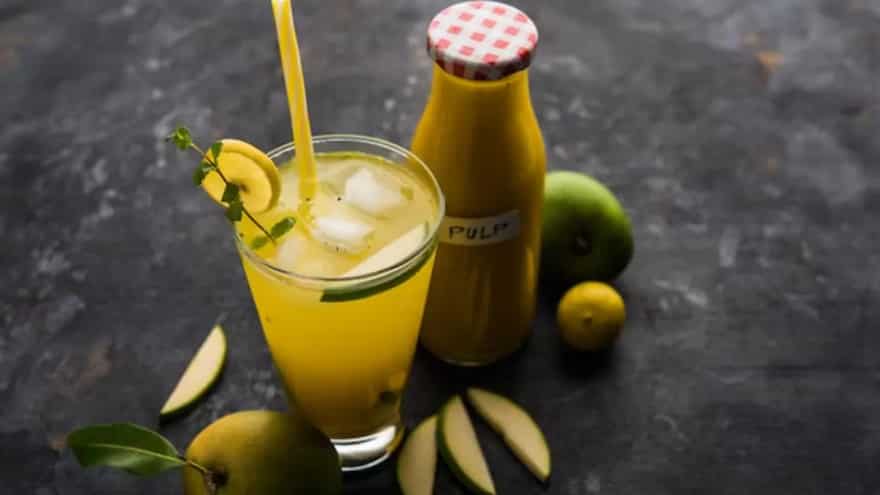
Made using raw mangoes, aam panna is an important part of North Indian summers. This drink mixes tangy mango pulp with spices like cumin and black salt, creating a balance of sweetness and sharpness. A sweet version with salt and sugar can also be prepared. Traditionally, aam panna is believed to help prevent heat exhaustion. It appears everywhere during peak summer months, from roadside carts to homemade bottles stored in refrigerators. The popularity of aam panna lies in how perfectly it matches the aggressive Indian heat.
Sugarcane Juice
Fresh sugarcane juice stalls are impossible to miss during summer. The sight of sugarcane stalks being crushed through metal rollers is almost synonymous with hot Indian afternoons. Sugarcane juice is served cold with lemon, mint, or ginger. This drink is energising as well as refreshing. Unlike packaged juices, sugarcane juice feels more seasonal, and the act of consuming it standing beside the stall makes it feel more homely.
(Image Credit: Freepik)
Falooda
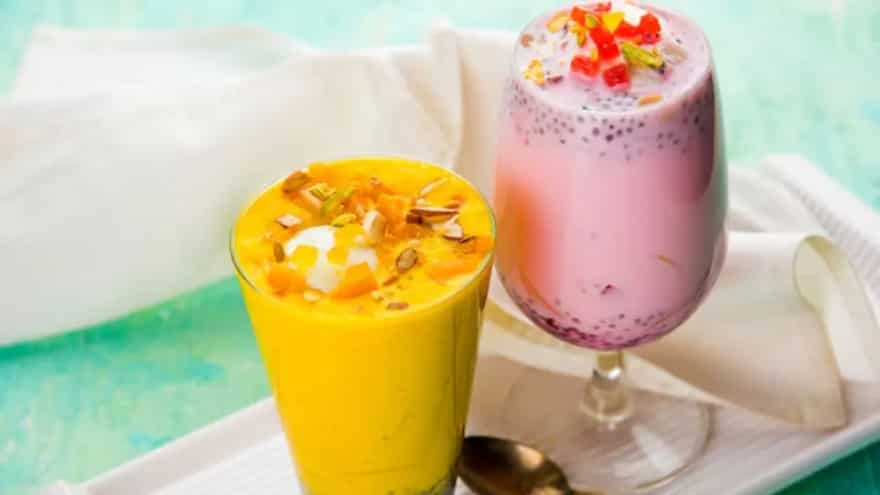
Falooda sits somewhere between a dessert and a drink, but during Indian summers, it comfortably becomes both. Falooda has layers of milk, rose syrup, vermicelli, ice cream, jelly, and sabja seeds that make it cooling as well as filling. Falooda is popular in old city markets and dessert shops. It reflects how Indian summer foods often prioritise texture as much as flavour. The chilled drink-dessert combination makes it especially popular during late evenings after long, hot days.
Fruit Chaat
Summer also changes the way street vendors sell fruits. Watermelon, cucumber, pineapple, and raw mango are often chopped fresh and tossed with salt, chilli powder, or chaat masala to create fruit chaat. These combinations are light, hydrating, and easy to eat on the go. More importantly, they show how Indian street food adapts to the climate by making seasonal produce central to everyday eating.
What makes Indian summer street food unique is that it is built around the season. These foods evolved not as trends but as responses to weather conditions. Be it fermented drinks, cooling curd-based preparations, ice-based treats, or hydrating fruits, they became popular because they worked with the climate rather than against it. Long before hydration powders or energy drinks were popular in the market. Indian streets already had affordable solutions to survive extreme heat. Even today, despite changing food habits and the rising cafe culture, these summer staples have their important and unique place on Indian streets.




