


 Share
Share

Freezing chicken and fish is like putting the pause on daily cooking, but defrosting a large block of meat on a busy weekday can feel like a struggle. This is where the smart freezing peeps in. When you cut, label, and stock the meat appropriately, the freezer becomes your weeknight partner. Marinating ahead freezes the flavour, whereas packing in small, flat portions helps it thaw quickly. With these right hacks, you are not just controlling dryness and freezer burn, but you're making it more leisurely to cook fresh-tasting, safe, and juicy meals all week long.
Safe freezing and thawing is not a technical practice; it is what stands between you and that juicy grilled chicken or tender fish curry. With a few smart practices, it is easy to protect texture, taste, and health, so every box of frozen meat you pull out still feels like a fresh start, not a forgotten misstep lying behind the ice trays.
Divide And Date Before Freezing
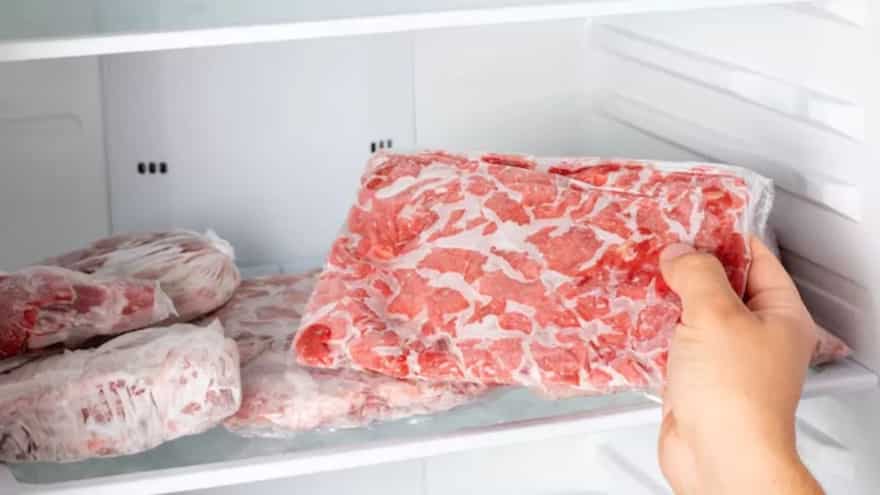
Instead of freezing whole packets of chicken or fish meat, store them in small meal-sized portions in the freezer. Pat them dry once, place them in zip-lock bags or an airtight box, and remove extra air to reduce the freezer burn. Label every pack with the date. This not only keeps you safe from consuming the meat past its use-by date, but also allows you to thaw only what you want. On busy days, you will thank yourself for having the neatly organised, clearly marked meat which is ready to cook.
(Image credit: Freepik)
Use The Right Wrap
Freezer burn is not just about looks; it also affects taste and texture. Wrap the chicken and fish tightly in the film or butter paper, then place them in a freezer-safe container or a bag. Double wrapping forms a barrier against air and prevents moisture. If you are using a bag, press out as much air as possible. This keeps the meat soft, juicy and prevents the dry, greyish cover. It is a kind of giving your proteins a cosy winter coat before they enter the cold.
Always Thaw In the Fridge, Not the Counter
Leaving chicken or fish on the kitchen counter to thaw may appear to be quicker, but it invites bacteria to party. Rather, place the frozen meat in a bowl or plate, cover with plastic wrap, and thaw overnight in the fridge. This slow thawing process keeps the temperature steady and the meat safe. If you are in a hurry, use the defrost mode in the microwave, then cook instantly. It needs a bit of planning, but that is exactly the difference between a safe meal and a scary shortcut.
(Image credit: Freepik)
Marinate Before Freezing
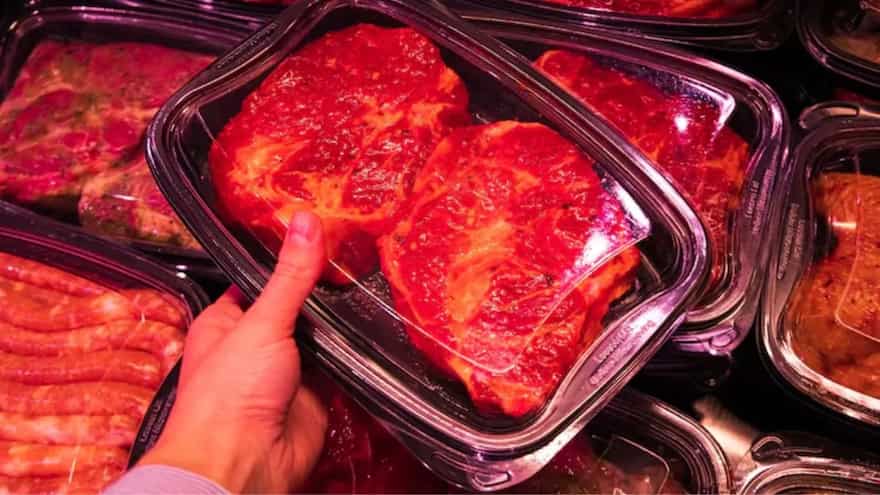
Turn the freezer into a flavour space by marinating the chicken or fish before freezing them. Add the cleaned pieces to a zip-lock bag with a blend of yoghurt, spices, or a simple lemon-garlic marinade, then cover and freeze. As it softens later in the fridge, the meat soaks up all those flavours beautifully. This not only saves the prep time on the busy days but also guarantees the tender, juicy pieces. It is like preparing ahead, a ready-to-cook, restaurant-style meal.
Never Refreeze Raw Meat Once Thawed
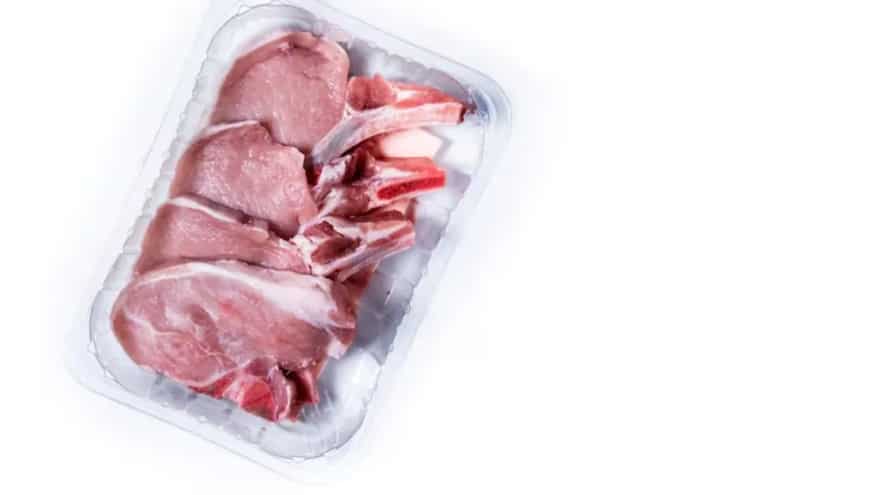
Once chicken or fish has thawed thoroughly, avoid refreezing it raw. Each thawing cycle boosts bacterial growth and affects the texture, making the meat mushy or dry when it is cooked. If you have thawed more than required, cook it all at once, then you can safely freeze the cooked pieces for later meals, such as sandwiches, salads, or curries. Following this simple practice keeps the food safer, tastier, and your stomach much happier.
(Image credit: Freepik)




