


 Share
Share

That thin, shimmering layer that rests on that piece of kaju katli or barfi is more than just a festive decoration. Varq has long been incorporated into India’s sweet-making practice, festivals, purity, and excess. But as silver prices continue to rise and fall, that standard glimmer now raises further questions. Is Varq still made the same way? Why has it always been used on mithai? And how is the practice adjusting to modern prices and food restrictions?
For years, edible silver leaf was hard hand-beaten by experienced craftsmen, shifting precious metal in sheets so thin they could tear even with a breath. Overthe period, changing hygiene criteria, vegetarian circumstances, and inconsistent silver rates have reshaped how varq is made and used. Yet, its emotional value remains unchanged. Whether it’s a festive box shared with loved ones or a wedding sweet gifted, varq still marks something extraordinary. Understanding its journey, from royal kitchens to today's sweet shops, shows how even the smallest embellishments on the food carry centuries of history.
As Silver Prices Fluctuate, Do You Know About the Varq On Your Mithai?
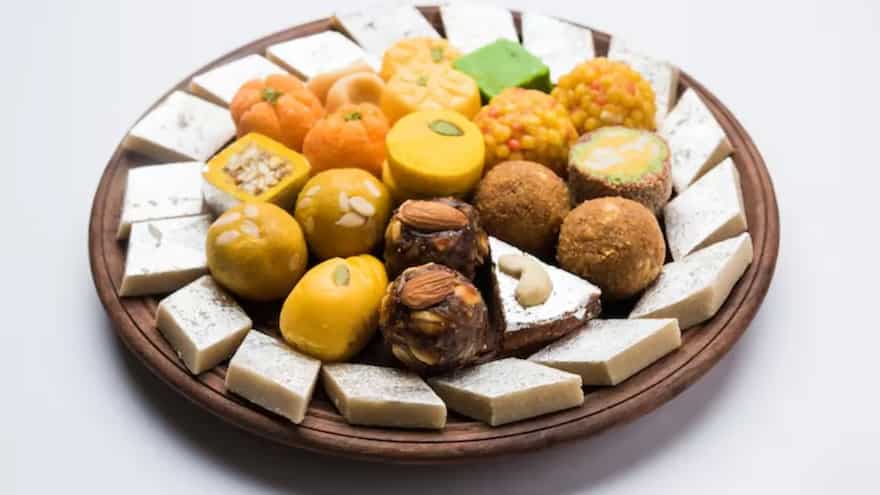
You walk into any Indian sweet shop, and those pieces of kaju katli, barfi, and laddoos appear to shine. That shine is not only from sugar and ghee, but from the fine silver leaf that has been laid on the top. That shiny sparkle on the top is called varq, an edible silver sheet that has been part of Indian dessert culture for ages.
What Is Varq And Why Does It Exist?
Varq is an ultra-thin sheet of silver, sometimes gold, that is used to garnish sweets, dry fruits, paan, and even some rich meat delicacies. It does not have any added flavour, but it gives a visual appeal and a feeling of festivity. The name is derived from the Sanskrit word "varaka" and Persian "varaq", both meaning “leaf” or a “sheet.”
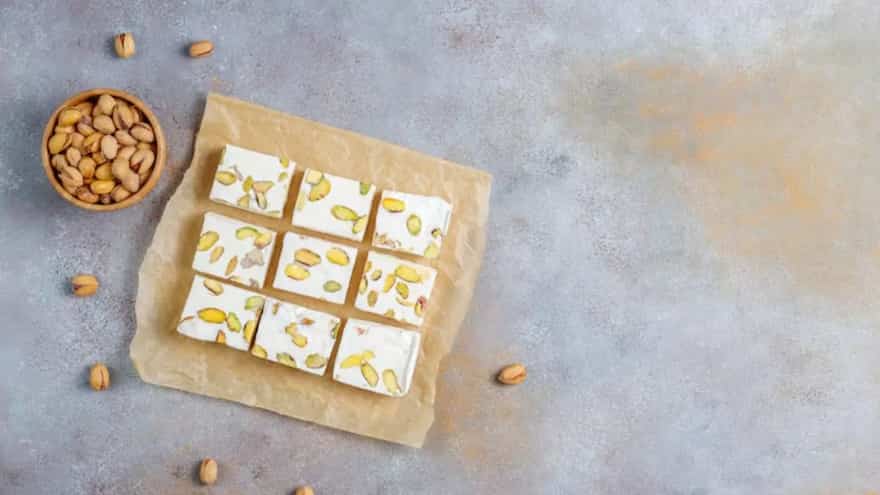
The tradition of putting varq is centuries old. In the royal kitchens, the metal foils were a display of wealth and class. Under the Mughal empire, chefs laid out not only sweets but also rice and kebabs to impress guests. Over the period, this practice seeped into Indian cooking, particularly during festive or celebratory moments.
(Image credit: Freepik)
From Hand-Beaten Craft To Modern Production
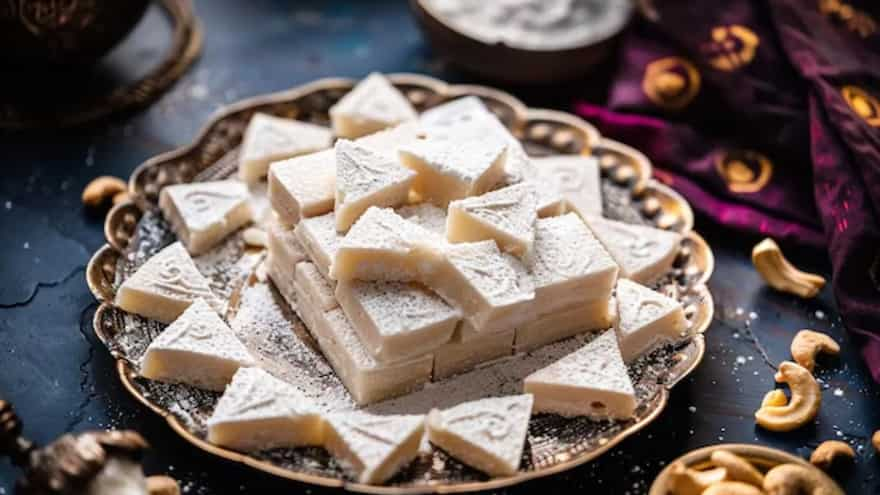
Traditionally, varq was a true artisan’s skill. Small pieces of silver were set in between fine sheets of parchment and beaten constantly until they stretched into a thin sheet, thinner than a human hair, and so thin that they could float in the air. These sheets were then transferred with delicate hands onto the sweets.
However, the process was not always edible for everyone. For generations, craftsmen used animal tissues to separate the varq, that lead to concerns among vegetarians and religious groups. In response to it, the Food Safety and Standards Authority of India (FSSAI) banned using the animal materials in varq production, forcing manufacturers toward machine-based and plant-derived materials.
(Image credit: Freepik)
Why Varq Has Meaning Beyond Decoration
Varq is not only decorative, but it is also symbolic. Silver in Ayurveda was linked with cooling, having antimicrobial properties,s and was also used in medicinal contexts. The embellishment of silver suggested purity and festivity in every bite.
When Silver Prices Rise And Fall, Tradition Adapts
Recently, silver prices have been rising and falling, and that has affected how often varq appears on sweets. Some sweet shops have started using thinner sheets, less coverage, or even options like nuts and saffron to keep the visual appeal without overcharging the customers.
(Image credit: Freepik)
A Tradition That Evolves But Never Disappears
Edible varq remains one of Indian cuisine’s considerable poetic decorations: light as air, visually amazing, and soaked in cultural history. Even as the craft recreates it with technology, its presence on mithai connects to the centuries of heritage, reminding why sweets are not just food, but also have stories connected to them.




