


 Share
Share

The festival of Makar Sankranti has always been about warmth, harvest, and sweet comfort, but modern kitchens are quietly reviving how that sweetness shows up on the plate. In the current time, as more people are becoming mindful of sugar intake, traditional Sankranti dishes are changing without having to lose their soul. Jaggery-filled laddoos, chikkis, and payasams are now being updated with dates, coconut sugar, millets, seeds, and nut-based sweetness. The intention remains the same, i.e., energy, nourishment, and seasonal balance, but it feels lighter and more reflective.
These modern versions do not reject the tradition; they refine it. By using slow-releasing natural sweeteners and fibre-rich grains, the Makar Sankranti food still has comforts, celebrates the harvest, and still feels festive, minus the sugar crash. These dishes are proof that tradition is not fixed, but it adapts to how one eats, lives, and cares for one's body.
Til Ladoo With Date Paste & Nuts
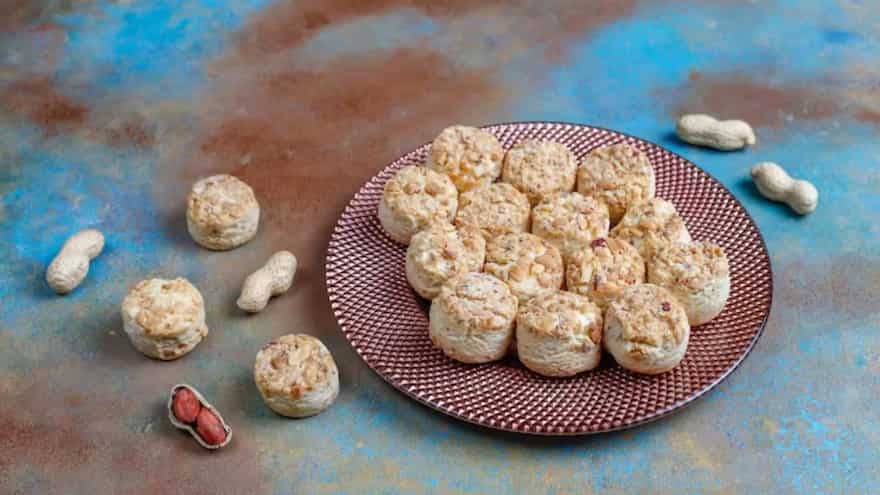
Classic til ladoos depend entirely on jaggery, but modern kitchens are quietly switching it with the slow-cooked paste of dates. Soft dates are simmered, mashed, and mixed with roasted sesame seeds and some crushed peanuts. The result is inherently sweet, with a little caramel-like taste, and extremely nutty. Unlike jaggery, dates give it moisture, keeping the ladoos softer for a longer period. A pinch of cardamom and a drizzle of ghee help in binding everything together. The taste feels familiar and light, with sweetness that creates gently rather than hitting all at once, ideal for those who are looking to cut refined sugars but without having to compromise on tradition.
(Image credit: Freepik)
Sugar-Free Chikki With Coconut Sugar & Seeds
Traditional chikki is loaded with jaggery and is full of crunch. The modern variation preserves the crunch but eases the sweetness by using coconut sugar or palm sugar. Melted gradually with a little ghee, it is mixed with peanuts, pumpkin seeds, and sunflower seeds to give added nutrition. Coconut sugar delivers a mild toffee-like flavour without overpowering the bitterness. This chikki will set slightly softer, making it easy on teeth while still feeling festive. It’s a brilliant upgrade to the regular Sankranti memories, but more balanced, full of nutrition, and maintains the blood sugar level.
Millet Payasam With Almond Milk
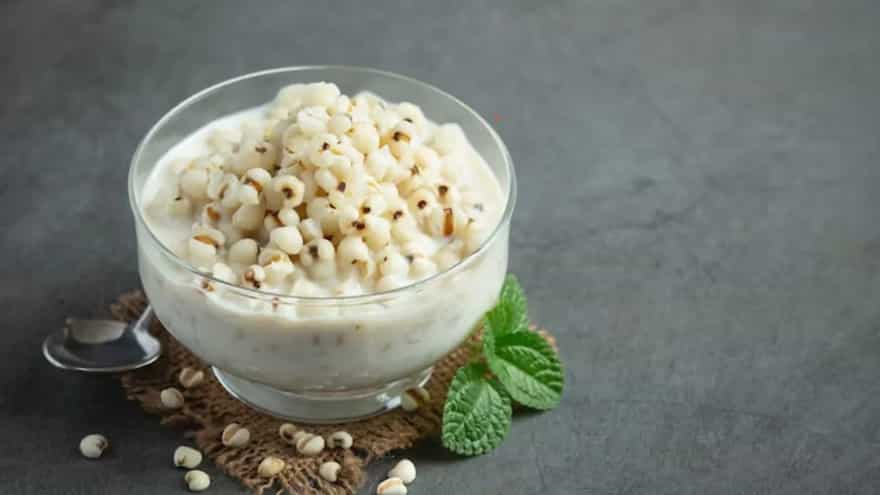
Makar Sankranti payasam usually has rice and jaggery in it. A modern, sugar-free twist swaps rice with foxtail or little millet and uses sweeteners such as soaked dates or a splash of coconut sugar naturally. Cooked slowly in almond or thin coconut milk, the payasam makes it creamy without turning too heavy. Millets give a subtle nuttiness while making the dish more fulfilling. The sweetness remains mellow, which lets the cardamom and roasted cashews shine. This version feels warming and clean, perfect for those who want comfort without having that post-dessert sluggishness.
(Image credit: Freepik)
Puran Poli-Style Millet Flatbreads With Natural Sweetness
Instead of refined flour and sugary filling, modern puran poli takes a smarter route. The dough uses jowar or bajra flour, while the filling blends cooked chana dal with mashed dates and cardamom. The texture stays soft, slightly coarse, and deeply satisfying. Pan-roasted with minimal ghee, these polis feel hearty rather than indulgent. The sweetness is subtle, allowing the nutty millet flavour to lead. It’s a beautiful example of how Sankranti staples can evolve—keeping the ritual intact while upgrading nutrition and digestion.
Til-Coconut Energy Bites Without Added Sugar
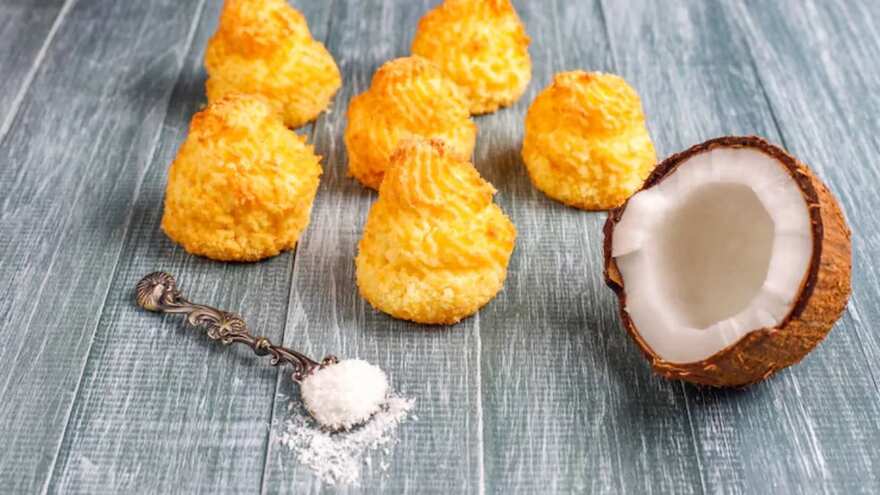
Inspired by traditional til-gud flavours, these no-cook energy bites have roasted sesame seeds, dry coconut, dates, and a hint of ginger powder. Everything is pulsed and rolled in small bites, no jaggery, no syrup. They taste warm, a little spicy, and inherently sweet, with sesame or til as the hero. These bites are ideal for modern Sankranti gifting, effortless to portion, long-lasting, and easy to store. They celebrate the festival’s energy-giving plan, whereas fitting seamlessly in the modern, low-sugar lifestyles.
(Image credit: Freepik)




