


 Share
Share

The history of Marathi cuisine can be traced back to ancient times, when the region was ruled by various dynasties, including the Satavahanas, Chalukyas, Rashtrakutas, Yadavas, and Marathas. Each dynasty left its own unique imprint on the cuisine, which has evolved over the years with the influences of various cultures and culinary traditions. One of the key characteristics of Marathi cuisine is the use of locally sourced ingredients such as rice, lentils, millet, vegetables, and seafood. The cuisine is also known for its robust use of spices such as cumin, coriander, turmeric, ginger, garlic, and chilli, which add depth and complexity to the dishes.
Marathi cuisine has several signature dishes, such as the classic Maharashtrian Thali, which consists of a variety of vegetable and lentil dishes, rice, roti or bhakri, and aamti or dal. Other popular dishes include Misal Pav, a spicy curry made with sprouted lentils, topped with crunchy farsan and served with bread rolls, and Vada Pav, a popular street food made with a deep-fried potato patty served in a bun. The cuisine also has a strong seafood tradition, with coastal dishes such as Kolambi Bhaat (prawn rice), Bangda Fry (fried mackerel), and Bombil Fry (fried Bombay duck) being popular favourites. In addition to its diverse range of dishes, Marathi cuisine is also known for its unique dining rituals and customs. One such dish is the shengole.
Kulith shengole is a rustic Maharashtrian dish made using horse gram flour, known locally as kulith peeth. It comes from the kind of cooking that values simplicity, speed, and nourishment over fuss. The recipe is easy to put together and relies on a few everyday ingredients, yet delivers deep, earthy flavours that feel both comforting and filling. For best results, freshly milled horse gram flour makes all the difference, giving the dish a nutty aroma and a richer taste. Beyond practicality, shengole captures the essence of Marathi cooking. It is inventive, seasonal, and based on local products. A common legume, horse gram is prized for its warmth and nutritious content, particularly in the winter. Kulith shengole, served hot over plain rice or bhakri, serves as a reminder that even the most basic customs can produce some of the most delightful dishes.
A Brief History Of Marathi Shengole
Due to its easy growth in dry soil and low maintenance requirements, horse gram, also known as kulith, was a staple in many areas. Freshly ground kulith flour was used by families to prepare quick, satisfying meals, and shengole became one such common dish. It was warm, easy, and designed to feed a large number of people without wasting ingredients.
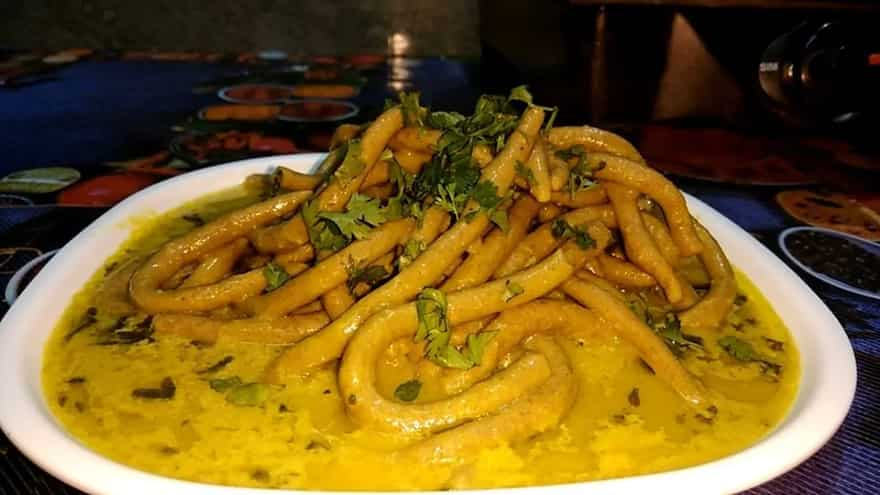
Image Credit: Wikimedia Commons
In the past, farmers and pastoral people, particularly those in Vidarbha, Marathwada, and Western Maharashtra, frequently consumed foods like shengole. The hand-shaped, irregular dumplings are a reflection of a simple cooking method when nutrition was more important than accuracy. Because horse gram is thought to produce heat in the body, it was frequently prepared during the winter months. The dish was supposed to keep people satisfied and invigorated during lengthy workdays, not to celebrate holidays.
Over time, kulith shengole was mostly used in family kitchens and was transmitted orally rather than through documented recipes. It has cultural significance as a reminder of Maharashtra's agricultural heritage, even though it may not be as well-known as part of the Marathi cuisine. Shengole is being rediscovered now due to its simplicity, nutritional value, and close ties to local history, as interest in traditional and forgotten dishes develops.
The practicality is what sets it apart. It's the type of recipe that works well in hectic household kitchens, particularly when time is limited. This is a great lunch option for unforeseen guests if you have horse gram flour on hand because it takes less than 15 minutes to prepare. It's meaty without being heavy since the dough is moulded into small, irregular pieces and cooked in a spicy sauce.
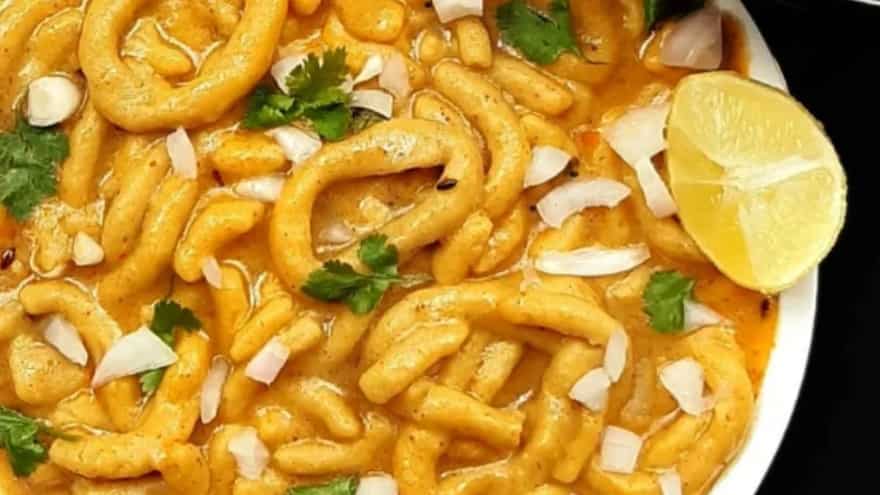
Image Credit: Adobe Stock
Everyday dishes like kulith were more closely linked with the common people and soldiers than the court, even during the Maratha empire, when royal kitchens flourished under emperors like Chhatrapati Shivaji Maharaj. Horse gramme was an element of the eating culture of the Maratha soldiers, who are known to have relied on simple, regional cuisine rather than lavish banquets. Shengole has a modest but significant place in the region's culinary memory because, while never having been served on a royal thali, it silently supported the people who created and protected Maharashtra.
The Making Of Shengoles For Daily Survival
Despite its basic simplicity, shengole has a variety of regional variations throughout Maharashtra that are influenced by household preferences, season, and geographic location. Kulith shengole, which is cooked and stewed in a gravy of onion, garlic, and simple masalas with a hint of spice, is the most popular variation. The dish's rustic quality comes from the uneven, hand-pinched shengole.
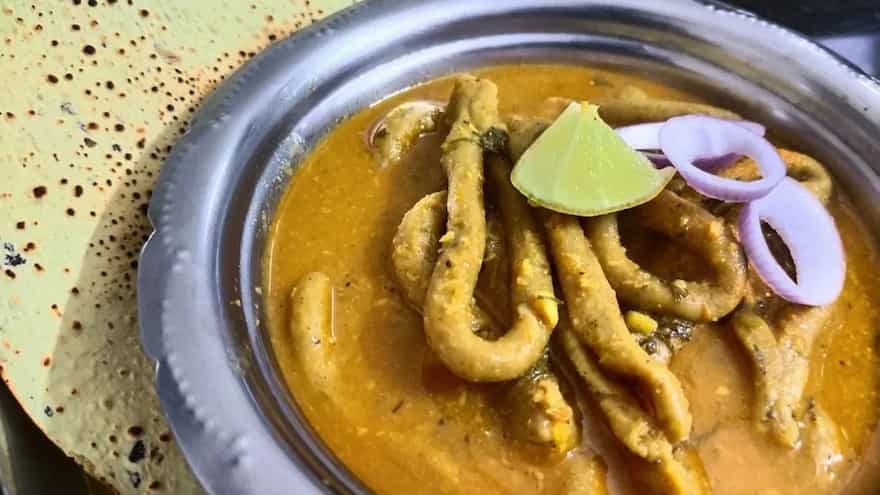
Image Credit: Wikimedia Commons
Particularly in areas where these grains are more easily accessible, some households prepare jwari or bajra shengole instead of kulith. In contrast to the robust, earthy flavour of horse gram, these flours offer the shengole a softer texture and a milder taste. In order to highlight the grain's inherent flavour, the gravy may be simpler or simply tempered with garlic, cumin, and chilli. These variants are consumed as regular meals and are frequently regarded as lighter.
There are dry or semi-dry shengole preparations, in which the dumplings are cooked with little liquid and finished with a potent oil, garlic, and chilli phodni. In coastal regions, some families enhance the dough or gravy with coconut, while others add leafy greens like shepu (dill) or methi. These minor changes show how versatile shengole is.
How To Make Shengole At Home
The pleasure of traditional shengole comes from the fact that making it at home is more about feel than precise measures. The dough, which is typically produced with kulith flour, should be both firm and flexible; adding hot water gradually prevents lumps and facilitates shaping. To prevent them from sticking and maintaining their rough, uneven shape, it's a good idea to rub a little oil on your palms while you pinch the shengole.
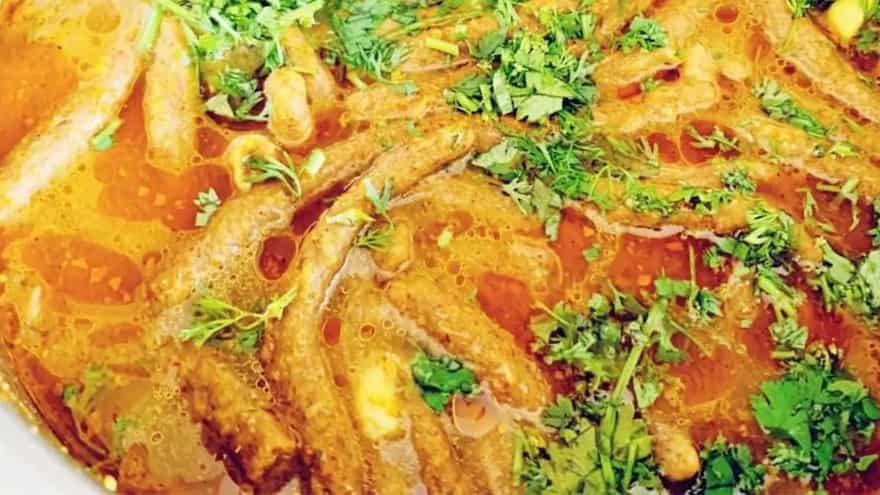
Image Credit: Wikimedia Commons
To avoid breakage, always place them in a gently boiling gravy rather than a fast boil. Before kneading, lightly toast the horse gramme flour for added flavour. Don't rush the tempering process—slowly cooking the garlic and spices brings out a deeper aroma. Keep pre-roasted kulith flour on hand in an airtight container if you're pressed for time. This easy tip makes shengole a quick and satisfying supper any day.
Shengole works best with straightforward, traditional Marathi dishes that highlight its earthy character. The most popular side dish is bajrichi, also known as jwarichi bhakri, since the thick, spicy gravy goes well with the gritty flatbread. To make the meal healthful and well-rounded, it is typically ended with a glass of taak or mattha to cool the palate and balanced with something light on the side, such as a fresh koshimbir or a spoon of thecha for heat.




