


 Share
Share

The holy month of Sawan, also known as Shravan, is a period of religious and spiritual significance in the Hindu calendar. During this time, devotees dedicate their attention primarily towards Lord Shiva and engage in prayers, fasting, and a conscious effort to lead a simpler, more disciplined lifestyle. For many Sawan bhakts, the vrat is not merely about avoiding certain foods or fasting endlessly. It is about cultivating self-restraint, mindfulness, and purity of thought, word, and action.
Food plays an important role in this spiritual journey. According to our ancient scriptures and Ayurvedic philosophy, foods are commonly divided into three broad categories: sattvik, rajasik, and tamasic. These classifications are not based solely on nutritional value or the presence of animal protein. Rather, they clearly state how different foods are believed to influence the body, mind, and overall state of being. During Sawan, devotees opt for sattvik foods because they are traditionally associated with clarity, calmness, simplicity, and devotion.
Understanding The Three Gunas
The concepts of sattva, rajas, and tamas originate from ancient Hindu philosophy, particularly sources such as the Bhagavad Gita, Samkhya philosophy, and Ayurvedic traditions. These three gunas, or qualities, are believed to exist in varying proportions within every individual and aspect of nature. In Sanskrit, Sattva refers to goodness or inherent purity, while Rajas refers to passion or stimulation, and Tamas refers to darkness and impurity.
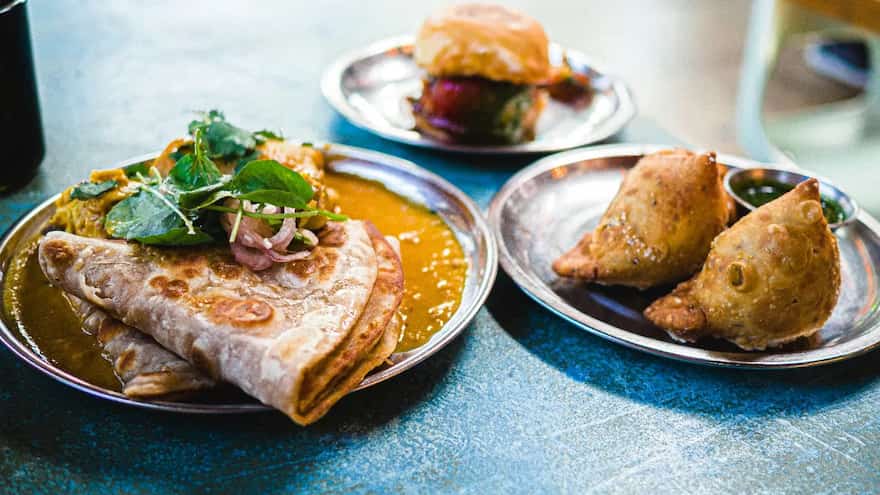
Image credit: Unsplash
And since the food you eat is thought to influence these qualities, you should be careful about the food you eat while attempting a sattvik lifestyle. While modern nutrition focuses on the nutrient groups such as carbohydrates, proteins and vitamins, these traditional classifications take a broader view, considering the food's freshness, preparation and perceived effect on mental and spiritual wellbeing. During Sawan, many devotees consciously choose foods that are believed to nurture sattva while reducing excessive rajas and tamas from their bodies and lives.
What Are Sattvik Foods?
Foods that are commonly regarded as fresh, pure, seasonal, and naturally nourishing are sattvik by nature. They are believed to promote mental clarity and emotional balance, making such foods ideal for consumption before prayers, meditation, and fasting. In many Indian households, sattvik meals are prepared using minimal ingredients and mild cooking techniques that preserve the natural nourishment of the food. Extra spicy seasonings, rich gravies, leftover meals, and processed ingredients are generally avoided.
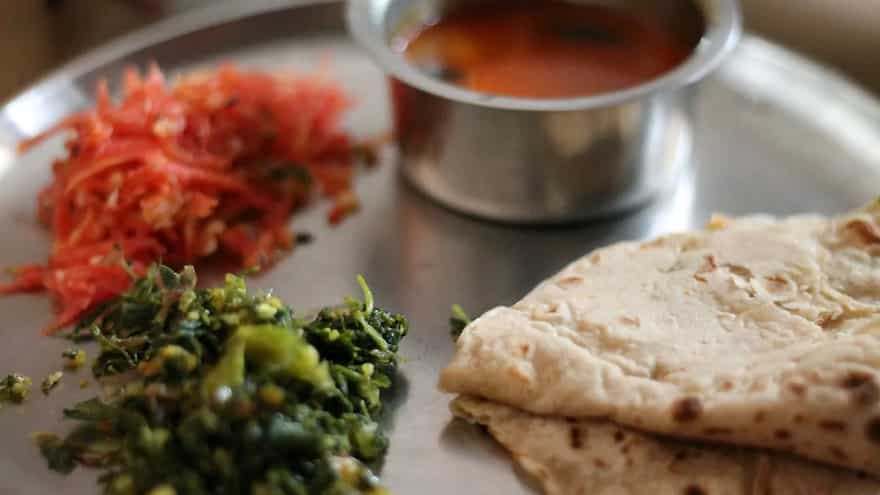
Image credit: Unsplash
Common sattvik foods consumed during Shravan include:
- Fresh seasonal fruits
- Milk and homemade curd
- Buttermilk
- Tender coconut water
- Makhana (fox nuts)
- Sabudana
- Singhara (water chestnut flour)
- Kuttu (buckwheat flour)
- Rajgira (amaranth)
- Sweet potatoes
- Potatoes
- Sendha namak (rock salt)
These are just the tip of the sattvik culinary iceberg. While the approach may be natural and simple, the food is anything but boring or bland. Depending on regional customs and family traditions, ingredients and fasting rules may vary from person to person. Some devotees consume only fruits and milk, while others prepare complete vrat-friendly meals using approved ingredients for a nutritious sattvik meal.
Why Sattvik Foods Are Preferred During Sawan
Sawan fasting is intended to encourage discipline rather than deprive the body. Sattvik foods are traditionally believed to support this spiritual goal because they are light, uncomplicated, and easy to digest. Rather than overpowering your taste buds, such foods encourage devotees to remain focused on worship and religio-spiritual practices. Shravan meals also rely on freshly prepared foods instead of packaged or heavily processed ingredients and dishes. This reflects the broader principle of purity that is attached to the guidelines followed during the holy month. It is important to note, however, that the purpose is not to label one category of food as permanently superior to another.
What Are Rajasik Foods?
Rajasik foods are associated with activity, stimulation, and enhanced energy. They are believed to encourage ambition, restlessness, and strong sensory engagement in humans. These foods are not inherently unhealthy or unsuitable for everyday life. In fact, most feature regularly in Indian cooking. However, during periods devoted to prayer and introspection, they are often reduced or avoided to calm the senses, lead a period of self-restraint, and detox both physically and spiritually. Common examples of rajasik foods include:
* Spicy dishes
* Strongly flavoured pickles
* Very salty foods
* Stimulants such as coffee and tea
* Rich sweets
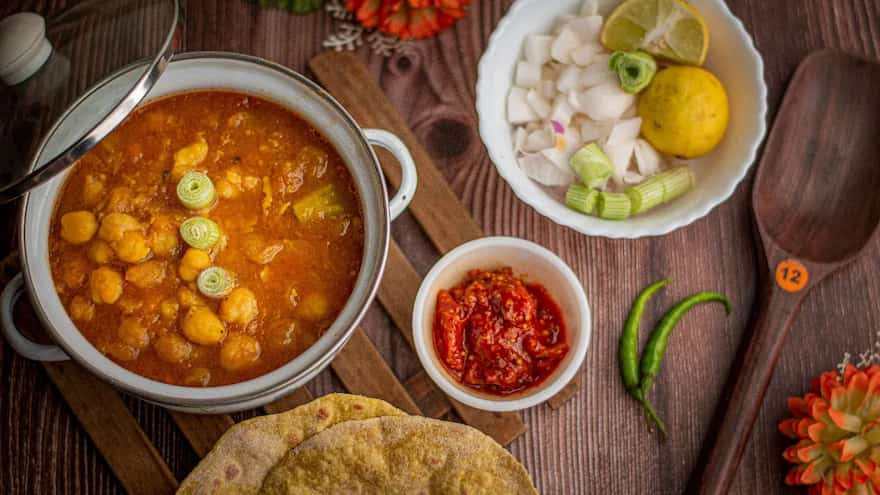
Image credit: Unsplash
Most Indian fasting households also avoid onions and garlic during Shravan. Although these ingredients are nutritious from a modern dietary perspective, certain Hindu traditions and Ayurvedic interpretations classify them as rajasik or tamasic, depending on the information source, because they are believed to stimulate the senses. And you want calm and peace during your Sawan journey.
What Are Tamasic Foods?
Tamasic foods are commonly believed to promote lethargy, dullness, and inertia. According to Ayurvedic philosophy, foods that are stale, over-processed, or lacking freshness fall into this category.

Image credit: Unsplash
Tamasic food examples often include:
- Leftover foods
- Stale or spoiled foods
- Processed and packaged foods
- Alcohol
- Meat, fish, and eggs (depending on historical sources, they are considered either rajasik or tamasic)
- Foods that are reheated repeatedly
- Greasy or oily food preparations
Such foods are generally avoided throughout Sawan because they are considered inconsistent with the month's focus on purity and self-discipline.




