


 Share
Share

Are you tired of the same old fruits gracing your fruit basket? Apples, bananas, and oranges are all well and good, but sometimes, it's nice to add a bit of excitement to your plate. In this article, we'll take you on a journey to discover some of the most unusual and exotic fruits from around the world.
These fruits are not only intriguing in appearance but also boast unique flavours and health benefits. So, buckle up and get ready to explore the fascinating world of Buddha's Hand, gac, and other lesser-known fruits that will leave you craving for more.
Buddha's Hand (Citrus medica var. sarcodactylis)
This peculiar fruit, also known as the "fingered citron," is native to Northeast India and China. Resembling a cluster of yellow fingers extending from a central base, Buddha's Hand is a sight to behold. The fruit has a thick rind and little to no flesh or juice, making it more of a fragrant ornament than a juicy treat. However, its zest is highly prized for its intense lemon fragrance and is used to flavour liqueurs, candies, and even perfumes. In traditional Chinese medicine, Buddha's Hand is believed to have healing properties and is used to treat respiratory ailments and soothe abdominal pain.
Gac (Momordica cochinchinensis)
Gac, also known as "baby jackfruit" or "spiny bitter gourd," is a Southeast Asian fruit that is gaining popularity for its numerous health benefits. The fruit has a spiky, orange-red exterior and a vibrant, red-orange pulp that is rich in antioxidants, particularly beta-carotene and lycopene. Gac is often used in traditional Vietnamese dishes, such as xôi gấc, a sticky rice dish infused with the fruit's vibrant colour and subtle flavour. The fruit's oil is also used as a natural remedy for various skin conditions, thanks to its high concentration of essential fatty acids.

Salak (Salacca zalacca)
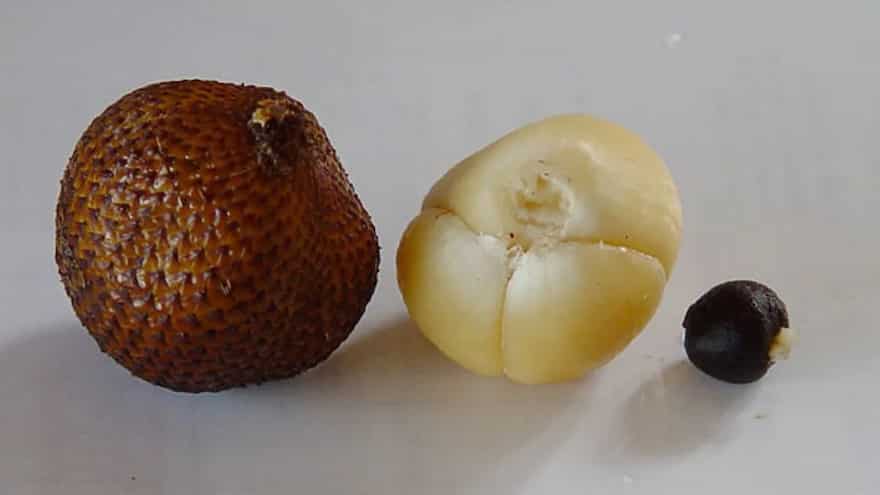
Salak, or "snake fruit," is a small, palm-sized fruit native to Indonesia. Its reddish-brown, scaly skin gives it a snake-like appearance, hence the name. Beneath the skin lies a sweet, tangy, and slightly acidic flesh that is reminiscent of pineapple and lychee. Salak is rich in dietary fibre, vitamins, and minerals, making it a nutritious addition to your diet. The fruit is often eaten fresh or used in fruit salads, juices, and desserts.
Jabuticaba (Myrciaria cauliflora)
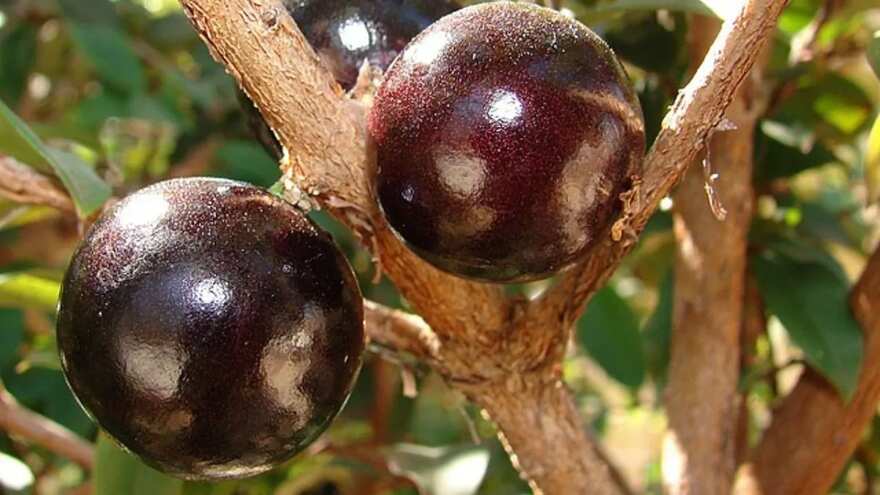
Hailing from Brazil, jabuticaba is a grape-like fruit that grows directly on the trunk of the tree, giving it an otherworldly appearance. The fruit has a thick, purple-black skin that encases a sweet, white, gelatinous pulp. Jabuticaba is rich in antioxidants, particularly anthocyanin, which are known for their anti-inflammatory and anti-cancer properties. The fruit is typically eaten fresh or used to make jellies, wines, and liqueurs.
Mangosteen (Garcinia mangostana)
Often referred to as the "queen of fruits," mangosteen is a small, round fruit with a thick, purple rind and juicy, white segments inside. Native to Southeast Asia, mangosteen is prized for its sweet, slightly tangy flavour and numerous health benefits. The fruit is rich in antioxidants, particularly xanthones, which have been linked to anti-inflammatory, anti-cancer, and anti-diabetic properties. Mangosteen is typically eaten fresh, but its juice is also a popular health drink.

Chayote (Sechium edule)
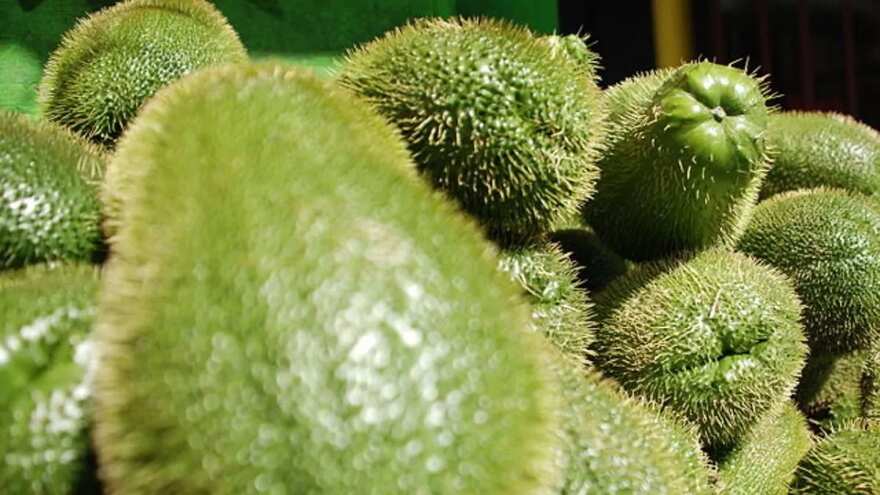
Chayote, also known as vegetable pear or mirliton, is a green, wrinkled fruit native to Central America. The fruit has a mild, crisp texture similar to a cucumber or zucchini, and it can be eaten raw or cooked. Chayote is rich in vitamins, minerals, and dietary fibre, making it a healthy addition to your diet. It is often used in salads, stir-fries, and soups.
Langsat (Lansium parasiticum)
Langsat is a small, round fruit native to Southeast Asia. The fruit has a thin, yellow skin and translucent, juicy segments inside. Langsat has a sweet and slightly tangy flavour, similar to a combination of grapefruit and lychee. The fruit is rich in vitamins and minerals, particularly vitamin C, and is often eaten fresh or used in desserts and fruit salads.

Horned Melon (Cucumis metuliferus)
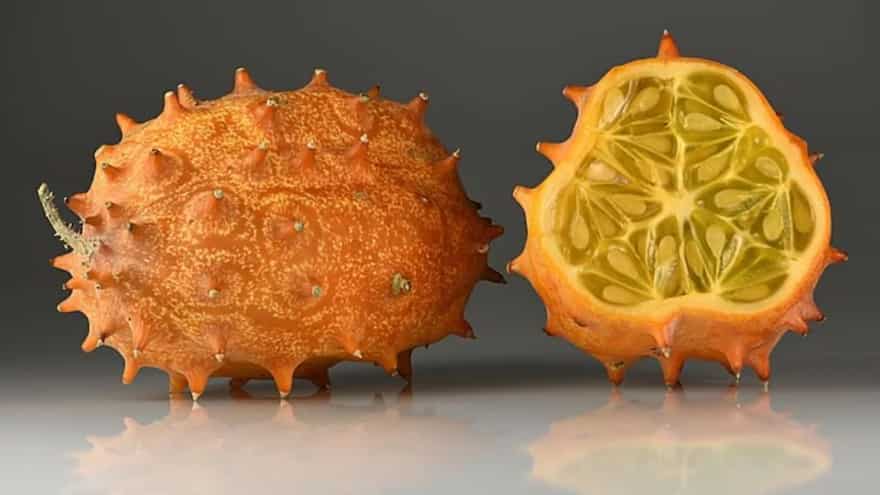
Horned melon, also known as kiwano or African horned cucumber, is a spiky, orange-yellow fruit native to Africa. The fruit has a jelly-like, lime-green flesh with a mildly sweet and tart flavour, reminiscent of a mix between cucumber, zucchini, and kiwi. Horned melon is rich in vitamins, minerals, and antioxidants, making it a nutritious addition to your diet. It can be eaten fresh, used in fruit salads, or as a garnish for various dishes.
These unusual fruits are just the tip of the iceberg when it comes to the vast array of exotic delicacies that our planet has to offer. So, why not step out of your comfort zone and give these intriguing fruits a try? Not only will you be treating your taste buds to new and exciting flavours, but you'll also be reaping the health benefits that these fruits have to offer. So, go ahead and indulge your curiosity – you might just find your new favourite fruit among these exotic gems.




