


 Share
Share

As soon as sawan starts, Indian kitchens are filled with new recipes that are both upwas-friendly but also satisfy the taste buds. But one food option that never gets old is sabudana (tapioca pearls). Over the years, sabudana has given us two favourites: the soft khichdi and the crispy, golden vada. While khichdi is often comforting, the sabudana vada steals hearts, especially when it rains during the sawan. The crispy vada on the outside and its tenderness on the inside, paired with green or peanut chutney, is not just a food option, but it’s an experience in itself. Here’s a look at the origin, history of sabudana, and how the vada reigns supreme and how to perfect it at home with some dos and don’ts.
Video Credit: Chef Ranveer Brar/ YouTube
Origin And History
Sabudana is so ingrained in Indian culture that it’s hard to imagine that this is not an Indian food item! Sabudana is extracted from cassava root, and it was brought to India in the 17th century from South America by the Portuguese traders. This crop was originally cultivated in Tamil Nadu and Kerala, but gradually it gained importance in Maharashtra and MP owing to its drought-resistant property. This crop also became a lifesaver during famines because of its high starch content. Sabudana gradually made its way to the fasting diet, as fasts do not include grains or pulses. Extracted from roots, sabudana thus became an upwas favourite and moulded into different dishes and textures like khichdi and vadas.
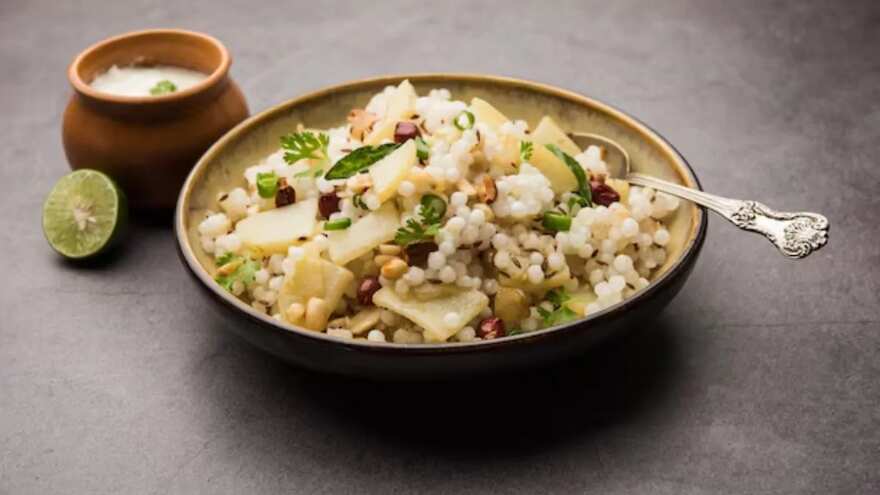
Sabudana Khichdi: The Simple Yet Delicious Dish
Sabudana Khichdi is a classic for good reason. It is a quick one-pot meal, made by stir-frying soaked sabudana with roasted peanuts, boiled potatoes, green chillies, and curry leaves. This dish is soft, fluffy and mildly spiced. It’s ideal during fasting and also famous in Maharashtrian households as a breakfast option. While khichdi is comforting and light on the stomach, it doesn’t quite deliver the joy of biting into something crispy, rich, and celebratory, and that’s where the vada steps in!
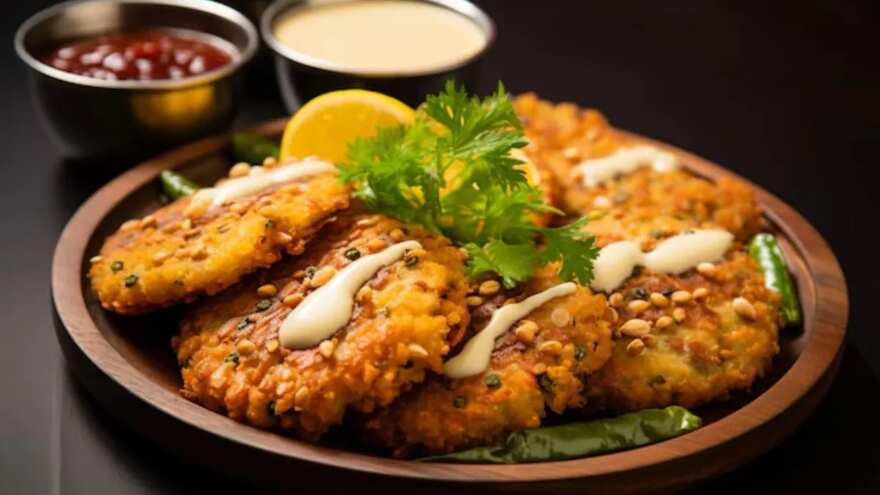
Sabudana Vada: The Crispy Champion
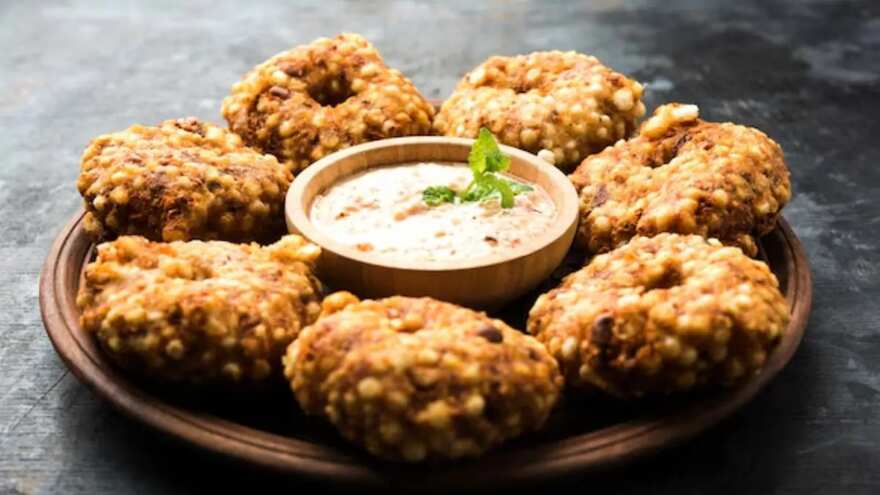
Sabudana vada is a mixture of soaked sabudana, mashed potatoes, roasted peanuts, chillies, and cumin seeds. The vadas are shaped into patties and deep-fried till golden. You get a crunchy, flavour-packed snack that is as satisfying during a monsoon tea break as it is on a fasting day. The vadas are served hot with coriander chutney or cool dahi and peanut chutney. Its crispy nature has made it go beyond fasting, and it has become a year-round favourite! Unlike sabudana khichdi, the vadas take more time and attention, but the result is worth it! This bold flavour and addictive crunch make sabudana vada more than just fasting food. Today, it is a popular snack during monsoons, a favourite with evening tea, and even a hit as a party appetiser. Its transformation from a vrat essential to a year-round favourite is proof of its irresistible appeal, triumphing over khichdi in this delicious debate. To master these vadas, follow some simple do’s and don’ts mentioned below.
Do’s And Don’ts For Perfect Sabudana Vadas:
Do these things to master sabudana vadas at home
- Wash sabudana 3–4 times to remove excess starch.
- Soak it right by covering the pearls with just enough water and soaking overnight. Pearls should be soft but separate. Soggy sabudana can work at times for khichdi, but for vadas, you need to make sure the pearls are separated well enough.
- Use Roasted Peanut Powder while making the tikkis, it enhances binding and flavour.
- Refrigerate the mixture for 20 minutes before shaping to reduce oil absorption.
- Fry the vadas on medium heat to ensure they are crisp on the outside and evenly cooked inside.
Avoid doing these things for a perfect sabudana vada
- Do not over-soak the sabudana as too much water leads to sticky, mushy pearls.
- Avoid overcrowding the pan and fry in small batches to maintain oil temperature.
- Do not fry on high heat, as this will lead to the exterior browning too quickly while the centre remains raw.
- Do not skip adding lemon juice; a dash of it balances the richness of the vadas beautifully.




