Share
Share

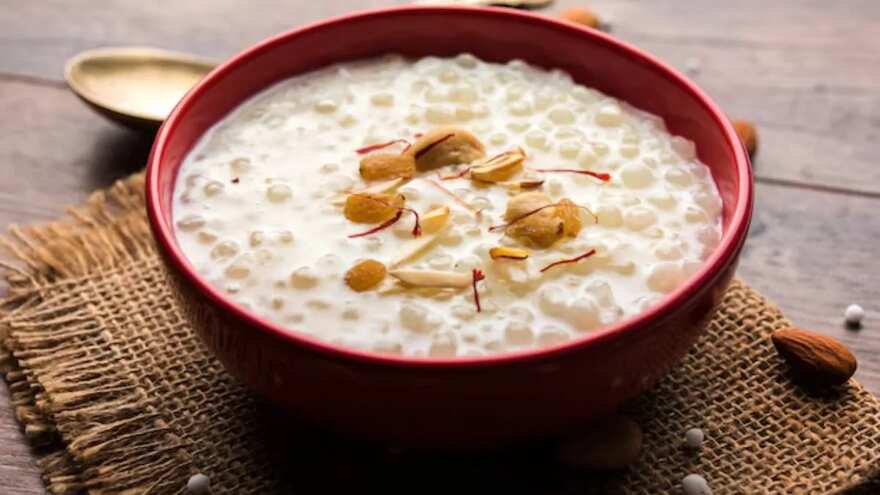
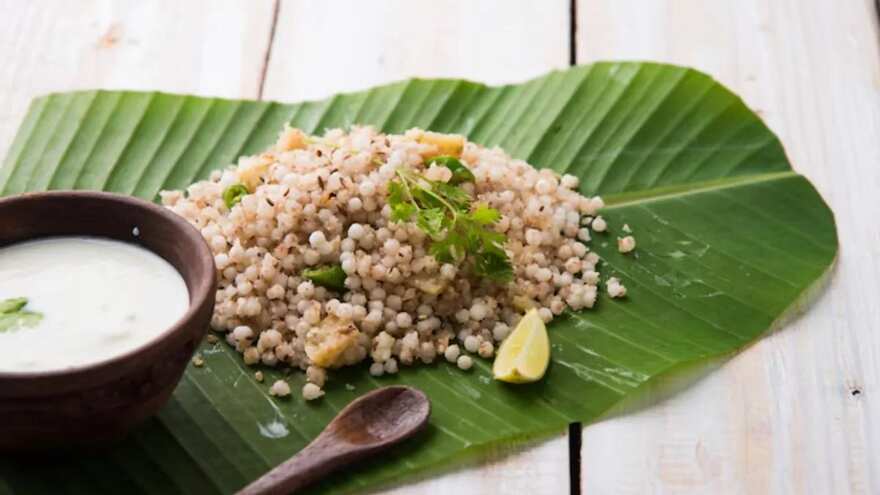
Sabudana, or tapioca pearls, is a commonly found and much-loved ingredient in Indian kitchens. It is consumed not just during upvas (fasts) like Navratri, Mahashivratri, or Ekadashi, but also when someone has stomach issues or is recovering from an illness. The pearls may look simple, but the real game is in soaking and cooking them the right way. Whether it’s sabudana khichdi, vada, or kheer, all these dishes demand precision. For first-timers, the struggle is quite real; the sabudana either becomes too sticky or remains too hard, making it difficult to chew and digest.
To master the art of cooking sabudana, learning how to soak it properly is half the battle won. When soaked properly, tapioca pearls turn light and easy on the stomach; perfect for upvas or a detox meal. But if not soaked well, it can lead to indigestion, bloating, and a heavy feeling. There's also a common misconception that sabudana must be soaked overnight. While that is one method, you can also soak it for just a few hours and still get the right texture, provided you follow the correct water ratio and a few smart tricks.
Rinsing And Soaking The Correct Way
Sabudana needs to be rinsed at least 3-4 times before soaking. This helps remove the excess starch that will make the sabudana sticky and can add clumps to it. Make sure to rinse it thoroughly under running water until the water runs clear. Then comes the important process: soaking. This is where the real work begins. After rinsing it 3-4 times, drain all the water completely. Then add fresh water. Ideally, use a 1:1 ratio; one cup of water for one cup of sabudana. However, if the pearls are small, even this might be too much and can make them sticky. So, while keeping the ratio in mind, only add as much water as needed to barely cover the sabudana. If just half or three-fourths of a cup does the job, skip the rest.

Let It Sit And Check Before Cooking
After soaking, cover the bowl and let the sabudana sit for at least 4-5 hours. Stir it gently once or twice during this time to avoid clumping. If the weather is warm, it may soften in just 3-4 hours. The key is to keep checking occasionally to see if it's done. After 4-5 hours, press one pearl between your fingers. If it flattens easily without any hard center, it's ready to cook. If it still feels firm or has a white core, let it soak a little longer.
Common Mistakes To Avoid
- Skipping the rinse: Not rinsing well leaves extra starch, which makes the sabudana clump together.
- Using too much water: Excess water during soaking makes it soggy and sticky. This is not good, especially for sabudana vada.
- Over-soaking overnight without checking: If left overnight, sabudana can get overly soft and break apart. Always check the texture once or twice while soaking.
- Not testing before cooking: Sabudana often looks soft on the outside but can remain uncooked in the center. Always press a pearl to check if it has soaked fully before cooking. Undersoaked sabudana can be hard on the stomach.

Pro Tips:
- If you are in a rush, soak sabudana in warm (not hot) water for an hour. Then drain the water and keep it covered for another hour. This warm-water method helps soften sabudana quickly.
- If you want a slight tang, add 1–2 tablespoons of dahi (curd) to 1 cup of sabudana while soaking. This gives it a mild tangy flavor. Don’t add curd after soaking, as it can make the sabudana soggy.