


 Share
Share

Preparing good sambar at home is nothing less than a small victory. The shiny, fragrant sambar over hot rice, or with dosa or sambar with ghee melting on top, is exactly like the ones you get at restaurants. Everyone wants to get that perfect balance that should be tangy but not sour, spicy but not harsh on the palate, full of veggie flavour, yet light enough to eat. But somewhere in between rushing for the tadka, using some random store-bought powder, and boiling everything together in one pot, it quietly turns into a flavoured dal that has vegetables.
Making a perfect sambar is actually an art of timing, layering, roasting, tempering, simmering, and knowing exactly when to add which ingredient. This is why some homes are well-known for their sambar, and others always keep asking for the secret. Well, the secret is once you find why yours tastes bland, fixing it becomes easier and very, very rewarding at the dining table.
Sambar powder Is The Key
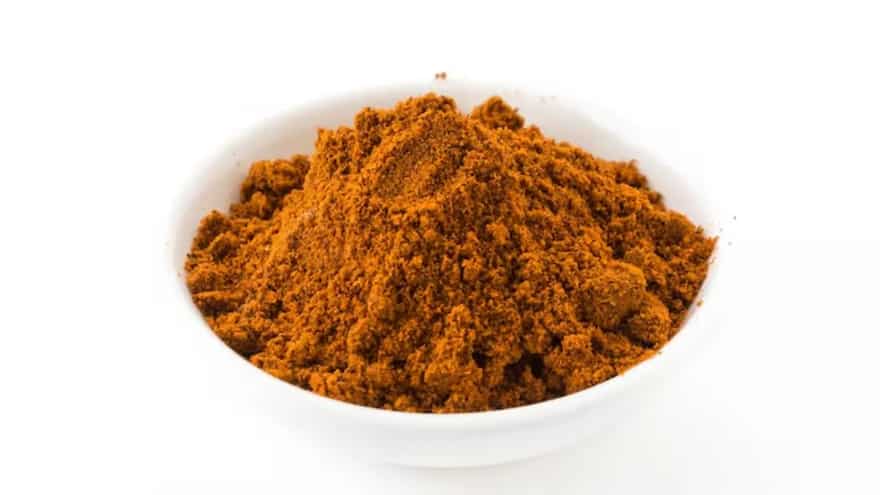
That restaurant's sambar hits you with its fragrance before it comes to your table. At home, people often use old, gentle, store-bought sambar powder that has been sitting in the jar for quite a long time. The result? It's just the flat, 'daal with veggies' instead of a proper sambar. Freshly roasted coriander, red chillies, cumin, methi, pepper and dal give the sambar that deep, roasted flavour that hotels brag about. If the powder smells weak, the sambar will taste weak, no matter how many ingredients you use and or boil it for hours.
Pro tip: Dry-roast and grind a small batch of sambar powder every 2–3 weeks.
(Image credit: Freepik)
The Perfect Tamarind Timing
Many people just toss tamarind or imli at the start while making the sambar and let it boil. Restaurants use tamarind as their finishing ingredient and not as a background actor. If tamarind is cooked for too long, the tang turns muddy and soft, whereas if cooked for too little, the sambar tastes just like simple dal. The perfect tangy-savoury flavour is achieved when imli is added after the dal and veggies are cooked, then boiled just enough to let it blend.
Pro tip: Always taste at the end. If the taste feels like something’s missing, it is usually a pinch more of tamarind or salt.
Tadka Is Where The Magic Happens
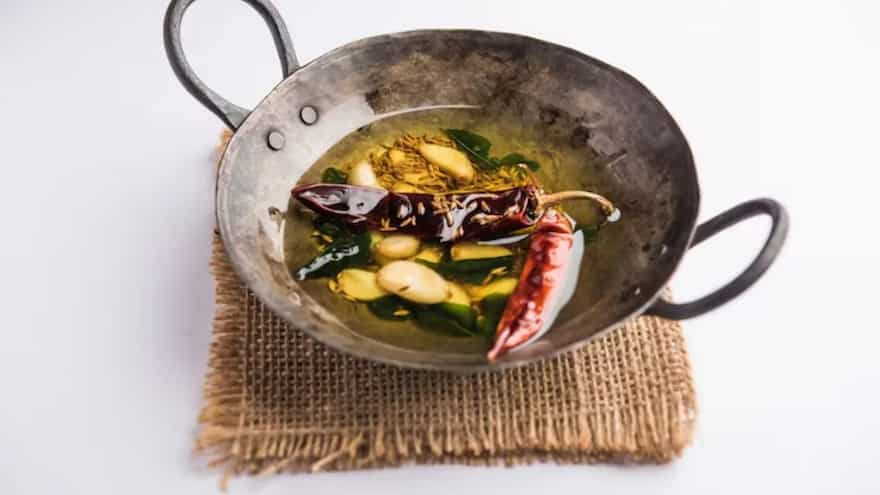
The restaurant-style sambar has that intense, deep flavour- the spluttering of mustard, sharp curry leaves, smoky red chilli. At home, many often rush with the tadka, sometimes the oil is not hot enough, spices slightly fried, a pinch of hing forgotten or used too little. Or even worse, the tadka is dumped, and the flame of the stove is turned off immediately, giving no time to mix. That last five minutes with a good tadka is where all the taste lies.
Pro tip: Let mustard seeds fully crackle, curry leaves turn a bit crisp, and hing deliver its full fragrance, before adding it to the sambar and boiling a bit.
(Image credit: Freepik)
Veggies Just Foating, Not Adding Flavour
The hotel sambar tastes like every ingredient has been mingled together in one pot for ages. At home, sometimes, some random veggies are tossed at the end, such as half-cooked carrots, giant drumstick pieces, or too much onion that adds little to no value and taste to the broth. Restaurants use a focused combination that has pumpkin, drumstick, brinjal, some onion and tomato, each of them adding to the sweetness, texture and flavour to the sambar. Overcooked, mushy or undercooked pieces both ruin the perfect consistency of the sambar.
Pro tip: Lightly sauté the veggies in a little oil and sambar powder first, then cook them with dal. This will add flavour to the liquid instead of just being in it.
Texture Of Daal Is Important
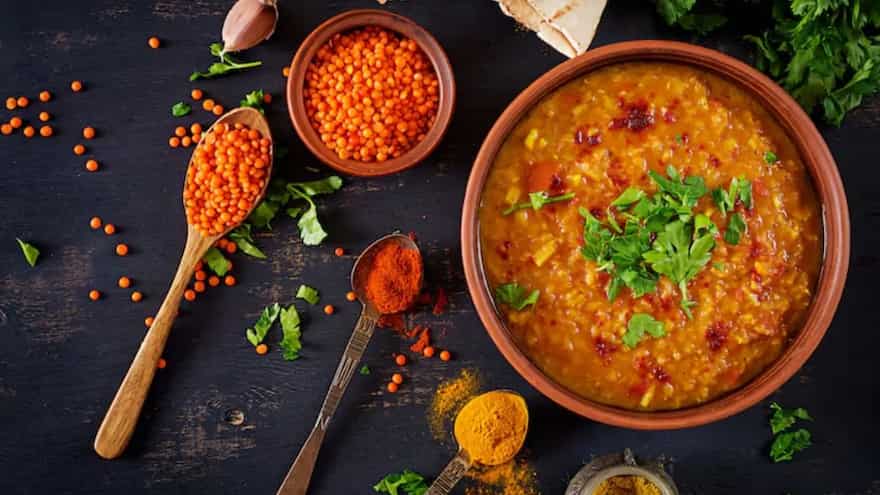
That smooth, pourable, hotel sambar is not magic. While preparing the sambar at home, either the dal is so thick that it's like baby food, or too watery that it drowns the rice. Restaurants cook toor dal really soft, then whisk or blend it so no lumps are remaining. That smooth base holds the spice, tang and veggie flavours beautifully. If the base is not prepared correctly, nothing else will make it taste good, no matter the seasoning and the time you took to prepare it.
Pro tip: Pressure cook the dal till over-soft, whisk well, then adjust the water later.
(Image credit: Freepik)




