


 Share
Share

Ramadan is a month of profound spiritual growth, discipline, and community. For many across India, it is also a period that tests physical endurance, especially when the holy month falls during the sweltering heat of the subcontinent. From the humid coastal breezes of Mumbai to the dry heat of Delhi, the challenge remains the same: how do you maintain your health and energy while fasting from dawn until sunset? The most significant physical hurdle during this time is not necessarily hunger, but dehydration. When the body loses more fluid than it takes in, it leads to fatigue, headaches, and a lack of focus that can hinder both daily work and nightly prayers. This is where the 2-4-2 rule comes into play. It is a simple, structured, and highly effective hydration strategy designed to ensure you consume the recommended two litres of water during the non-fasting hours without feeling bloated or uncomfortable.
What Is The 2-4-2 Rule?
The 2-4-2 rule is a scheduling technique that breaks down your water intake into three manageable phases between Iftar (the meal to break the fast) and Suhoor (the pre-dawn meal). Instead of trying to chug a gallon of water the moment the Maghrib adhan sounds, which often leads to discomfort and frequent trips to the bathroom, this rule paces your intake.
The numbers represent the number of glasses of water you should drink at specific times:
• 2 Glasses at Iftar: To immediately rehydrate your cells after the long fast.
• 4 Glasses between Iftar and Suhoor: To steadily replenish your body throughout the evening.
• 2 Glasses at Suhoor: To prime your system for the fasting hours ahead.
By following this breakdown, you hit the standard eight-glass goal, which equates to roughly two litres. This amount is generally considered the baseline for maintaining healthy bodily functions, aiding digestion, and keeping the skin glowing despite the rigours of fasting.
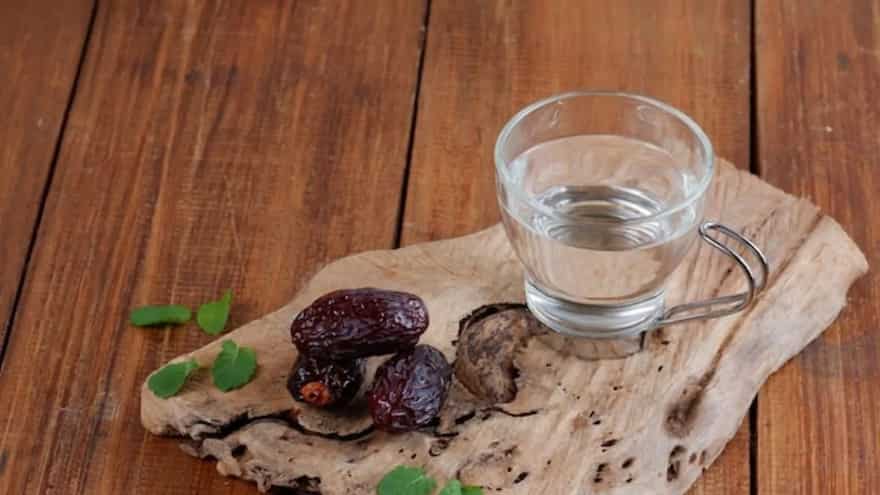
Image credit: Freepik
Breaking Down The Phases
The First Phase: 2 Glasses At Iftar
In Indian households, Iftar is a vibrant affair. Often, the table is spread with dates, fruit chaat, pakoras, and perhaps a cooling glass of rose-flavoured milk or nimbu paani. While these are delicious, the priority for your body should be pure water.
When you break your fast, your body is in a state of mild dehydration. Drinking two glasses of water right at the start helps kickstart your metabolism and prepares your stomach for the food to come. It is advisable to drink one glass with your dates and another after you have finished your initial small plate of food. Avoid ice-cold water as it can shock the digestive system and cause cramping; room temperature or slightly chilled water is much kinder to your stomach.
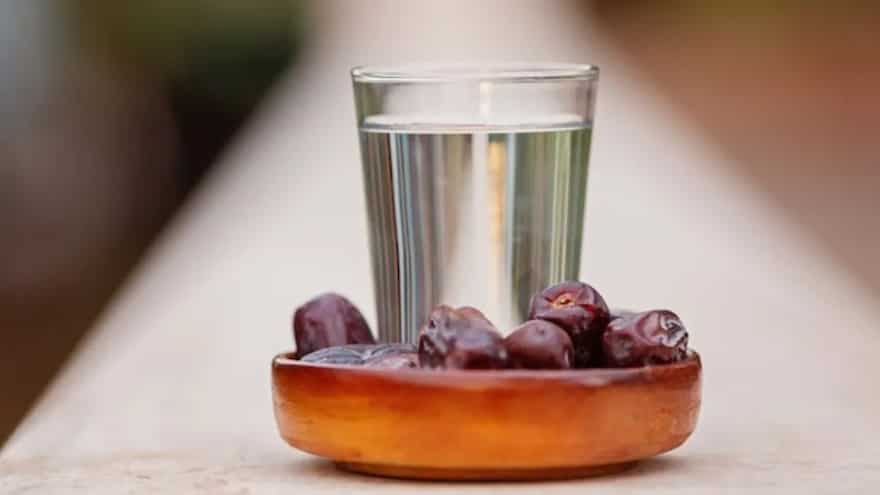
Image credit: Pexels
The Second Phase: 4 Glasses Between Iftar And Suhoor
This is the most critical phase and the one people most often neglect. Once the initial hunger is satisfied and the post-Iftar lethargy sets in, many forget to keep drinking. However, this window—usually between 8 PM and 4 AM—is your only opportunity to deeply hydrate your tissues.
The goal is to consume four glasses during this interval. The best way to do this is to keep a bottle with you during Taraweeh prayers or while relaxing with family. Think of it as one glass every hour or 90 minutes. This slow, steady intake ensures that your kidneys can process the water efficiently, allowing your body to actually absorb the hydration rather than just flushing it out immediately.
The Third Phase: 2 Glasses At Suhoor
Suhoor is your final opportunity to prepare for the day. While it might be tempting to drink as much as possible right before the sun rises, your body can only process so much at once. Two glasses of water are the sweet spot.
One glass should be taken at the beginning of your meal and the final glass at the end. This helps in digesting the slow-releasing carbohydrates and proteins that are essential for Suhoor, such as oats, eggs, or parathas. Proper hydration at this stage helps prevent the mid-afternoon slump and the dreaded dehydration headache that often strikes around 4 PM.

Image credit: Pexels
How To Follow The 2-4-2 Rule Easily
Implementing this rule does not require a lifestyle overhaul, just a bit of mindful planning. Here are some practical ways to make it stick, especially within an Indian context.
1. Use Flavour To Your Advantage
Plain water can sometimes feel boring, especially when you are surrounded by aromatic biryanis and spicy curries. You can make your four glasses between Iftar and Suhoor more interesting by infusing them. Add slices of cucumber, a few mint leaves, or a squeeze of lime. This not only improves the taste but also adds a few extra electrolytes. In India, we have a wealth of hydrating herbs; even adding a few sabja (basil) seeds to your water can help retain moisture in the body.
2. Leverage Technology
It is easy to lose track of time during the busy evening hours. Set three or four alarms on your phone as gentle reminders to have your next glass. There are also many free hydration tracking apps that can send you notifications. If you are at the mosque for evening prayers, carry a reusable water bottle that holds exactly two or four glasses so you know exactly where you stand with your goal.
3. Eat Your Water
While the 2-4-2 rule focuses on liquid water, you can supplement your hydration through your food choices. India is blessed with incredible hydrating produce. Include plenty of watermelon, muskmelon, and oranges in your Iftar spread. Vegetables like bottle gourd (lauki) or ridge gourd (turai) have high water content and are easy on the stomach during Suhoor.
4. Limit Diuretics
To make the 2-4-2 rule effective, you must ensure you aren't losing water as fast as you drink it. Traditional Indian chai and coffee are staples, but they act as diuretics, which means they encourage the body to expel water. If you must have your cup of tea, try to limit it to one and follow it up with an extra glass of water to compensate.
5. Monitor The Salt
High-sodium foods, like pickles (achaar) or heavily salted fried snacks, can make you feel incredibly thirsty the next day. While it is hard to resist these during Ramadan, try to keep the portions small. Excess salt forces your body to use up its stored water to balance the sodium levels, making the 2-4-2 rule less effective.




