


 Share
Share

The month of Ramadan 2026 is moving along, and by now, many have found their routine in the pre-dawn hours. This meal, known as Suhoor or Sehri, is the foundation of a successful fast. It provides the physical stamina needed to navigate work, family, and prayer. While the fast itself is a shared pillar of faith, the food that appears on tables at 4:00 AM varies beautifully across different regions. In the stillness of these early hours, the world seems to slow down. This is the time when households become hubs of activity while the rest of the city sleeps. Whether you are in a bustling apartment in Mumbai or a serene village in Turkey, the goal is the same: to nourish the body in a way that honours the spiritual journey of the day.
Indian Sehri: Powering Through The Day
In India, the Sehri table is often a robust affair. Families gather in the soft light of the night to share meals that prioritise energy and hydration. The paratha is a central figure here. These buttery, layered flatbreads are often stuffed with potatoes, cauliflower, or paneer to ensure they are filling. Paired with a large bowl of fresh yoghurt, they offer a perfect balance of fats and probiotics. Yoghurt is particularly favoured because it helps cool the digestive system and wards off thirst during the warmer afternoons.
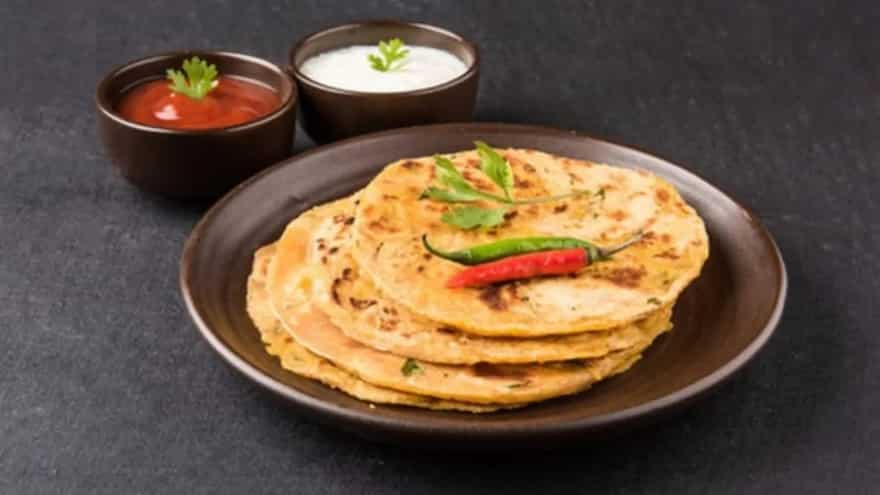
Image credit: Adobe Stock
In North Indian cities like Delhi or Lucknow, many still enjoy Pheni. These are incredibly fine, fried vermicelli circles that are soaked in hot milk and sugar. It is a dish that feels like a warm hug in the early morning. In the southern parts of the country, rice-based dishes like appam or a simple salted rice porridge are preferred. These are easy to digest and provide a quick source of carbohydrates. Hydration is often addressed with a tall glass of salty or sweet lassi, which remains an enduring favourite for many families.
In the valley of Kashmir, the morning ritual often includes Babribyel, a drink made with basil seeds, milk, and coconut. The basil seeds are known for their cooling properties, making them an essential part of the diet as the days grow longer. The diversity of the Indian palate ensures that every household has a unique take on the meal, yet the focus on dairy and grain remains a constant thread.
The Middle East: Traditional Roots And Protein
Across the Middle East, the focus of Suhoor leans heavily on protein and healthy fats. In countries like Egypt, the most common sight is Foul Medames. This is a hearty stew of fava beans seasoned with lemon, garlic, and cumin. It is topped with a generous pour of olive oil and eaten with warm pita bread. Because beans are high in fibre, they take a long time to digest, helping to keep hunger away for several hours. Another staple in the Levant region is Labneh. This thick, strained yoghurt is usually served with Zaatar, a spice blend of thyme, sumac, and sesame seeds. Slices of fresh cucumber, tomatoes, and olives are always present to provide much-needed water content. Dates are eaten not just at Iftar but also at Suhoor because they are a powerhouse of minerals like potassium, which helps maintain fluid balance in the body.
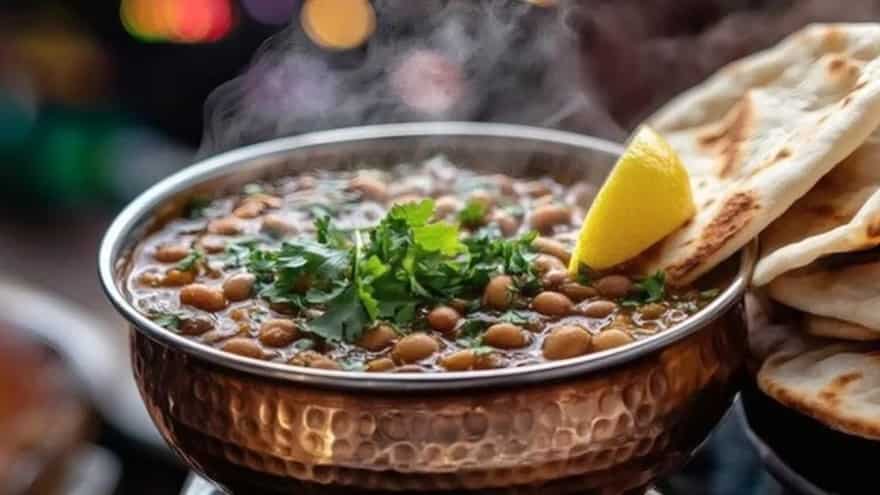
Image credit: Adobe Stock
South East Asian Comforts: Rice And Broth
In South East Asia, particularly in Malaysia and Indonesia, Suhoor is often treated as a substantial meal that resembles a traditional breakfast or lunch. Nasi Lemak is the star here. This fragrant rice, cooked in coconut milk and pandan leaves, is served with boiled eggs, peanuts, and a side of protein like chicken or fish. The healthy fats from the coconut milk are excellent for long term satiety. In these tropical climates, hydration is the biggest challenge. People often consume large amounts of tropical fruits like papaya or dragon fruit. A popular comfort food is Bubur Ayam, which is a savoury chicken congee. It is warm and soothing, making it a great choice for those who do not have a large appetite so early in the morning. The use of aromatic spices like ginger and turmeric in these broths also helps in boosting the immune system during the month of fasting.
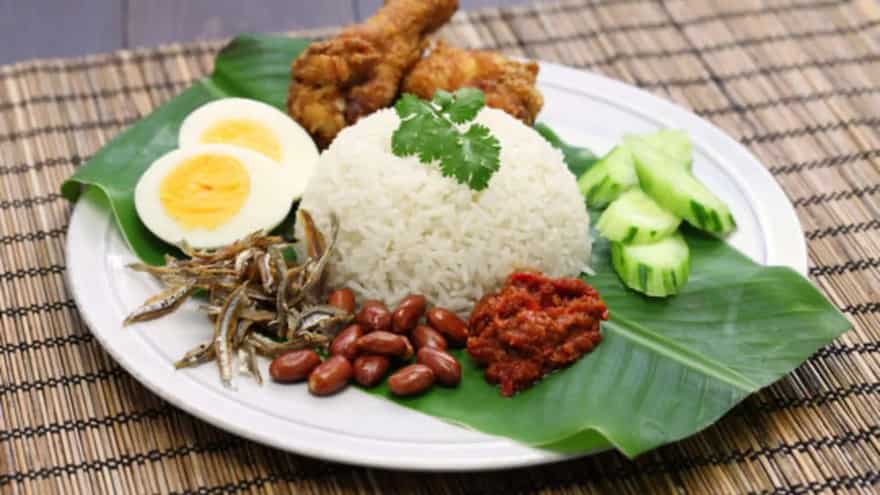
Image credit: Adobe Stock
The Turkish Breakfast: A Cultural Feast
Turkey offers a spread that is as colourful as it is nutritious. The Turkish Suhoor, or Kahvalti, consists of multiple small plates. There are different types of cheeses, from the salty white cheese to the firm kashar. Honey and Bal Kaymak, which is a rich clotted cream, are spread on crusty bread to provide a high energy start. Menemen, a dish of eggs scrambled with tomatoes and green peppers, is a common warm component that adds vitamins and protein to the meal. The Turkish approach is all about variety, ensuring that the body receives a wide range of nutrients in small, manageable portions. This style of eating is perfect for those who prefer to graze rather than eat one heavy dish.
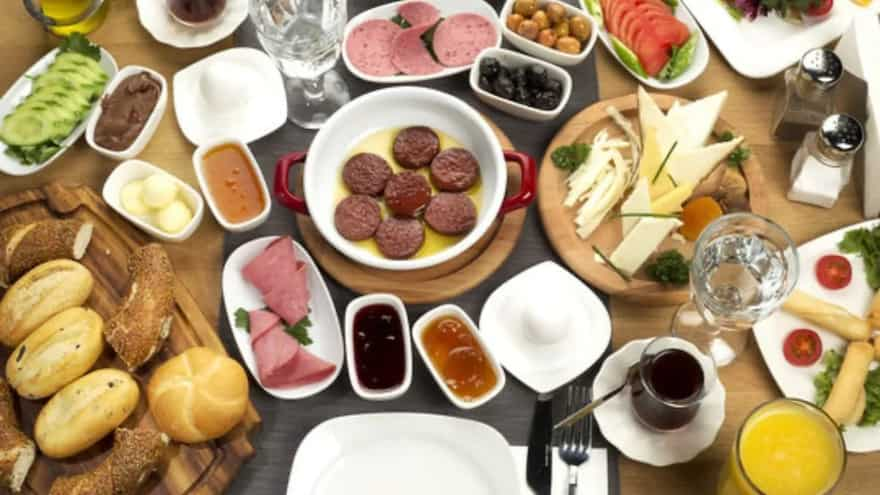
Image credit: Adobe Stock
North Africa: Laminated Breads And Soups
In North Africa, specifically Morocco and Tunisia, the pre-dawn meal often involves Msemen. This is a square, laminated flatbread that is delightfully chewy. It is usually served with honey or butter. Many families also choose to have a bowl of Harira, a traditional soup made with chickpeas, lentils, and tomatoes. Starting the day with a warm liquid is considered beneficial for the stomach and ensures a good intake of minerals and fluids. In Tunisia, a dish called Bisinna, which is a porridge made from barley or lentils, is often consumed for its high fibre content. These traditional foods have stood the test of time because of their ability to sustain a person through a full day of work and worship.
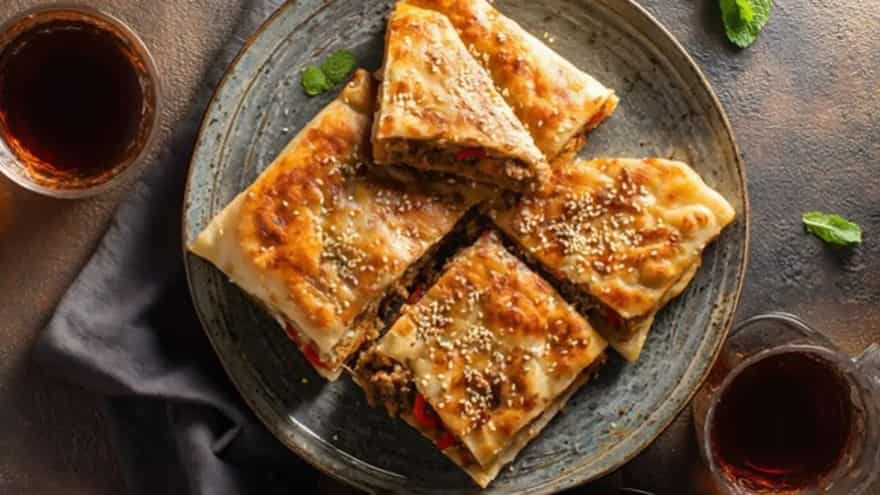
Image credit: Adobe Stock
Modern Trends: The Rise Of The Smoothie And Oats
In recent years, especially among younger Muslims in urban centres, there has been a shift towards modern nutritional science. The traditional heavy meals are sometimes replaced or supplemented with overnight oats or protein smoothies. Oats are highly favoured because they are a complex carbohydrate that releases energy slowly. Mixing them with chia seeds, flax seeds, and almond milk creates a powerhouse of nutrition. Smoothies packed with spinach, bananas, peanut butter, and dates have also become popular for those who find it difficult to eat a heavy solid meal so early in the day. This modern approach focuses heavily on macronutrient balance and maximum hydration.




