


 Share
Share

Raksha Bandhan 2026 will be celebrated on August 28, and for many homes, the day means a constant stream of siblings, cousins and relatives coming in one after the other. While the festivity means enjoying and spending fun time with your loved ones, the person hosting often spends much of the time in the kitchen while everyone else is laughing and giggling.
While many suggest keeping the work done beforehand, logically, it is not possible because some foods just taste best when they are served fresh. Rather, the wiser approach here is to split the work. Make fillings, chutneys, marinades and shaped snacks a day before, then leave only frying, grilling or assembling for the last minute when guests begin to come over.
Keep a few dry snacks totally ready too, in case there is an early guest, and you are not looking for options for something to serve. This way, the kitchen still feels manageable without taking over your Rakhi festivities. The plan should be simple: do the time-consuming preparation before the celebration and give only the finishing touches on the day itself.
Start With The Work That Takes The Most Time
Use the evening before the festival to complete the preparations that can sit overnight without losing their consistency or taste. If samosas or kachoris are on the menu, cook the potato filling, let it cool down thoroughly and keep it refrigerated. Likewise, for dahi kebabs or cutlets, prepare and shape the mixture, and keep the shaped pieces covered in the refrigerator.
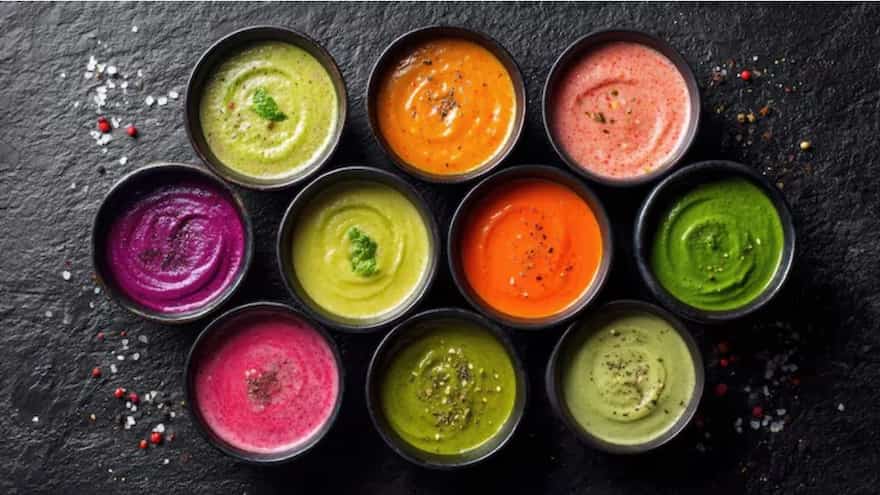
Chutneys are also ideal to make ahead. Prepare the green and tamarind chutneys, transfer them to jars and store them overnight. If you are serving roasted makhana, roast and season them in advance.
The next day, you are left with the basic cooking and assembling: shape or fry the samosas and kachoris, cook the kebabs and place the chutneys and snacks on the table.
(image credit: Freepik)
Cook In Batches Instead Of Making Everything At Once
Once the advance prep is done, resist the desire to cook the entire snack in one go. Fry or air-fry in batches while guests are enjoying their first round of drinks, then cook the next if required.
This is particularly useful for samosas, tikkis and kebabs, which can lose their crisp texture if left sitting for too long. Keep the cooked batches on a wire rack rather than piling them in a deep bowl, so that steam can escape and they do not turn soggy.
Keep Crunchy Snacks / Desserts Completely Ready Ahead
Not every snack requires a last-minute cooking session. In reality, it is useful to have a snack ready well in advance that can go straight from the box to the serving bowl.
Snacks like makhana chivda, masala cashews, roasted nuts, mathri and homemade namkeen can all be prepped ahead and stored in airtight jars. They are also useful when the frying snacks still need some time to be served, and you will not be out of options for what to serve with tea.
Just remember to keep them away from steam or humidity, and also do not pack them while still warm, as they can turn soggy. A tightly sealed box is what keeps these snacks crunchy.
Likewise for the desserts, like custard, kheer or pudding; they can be whipped up a day before and kept in the refrigerator. The next day they will taste even more creamy and decadent.
Prepare Chaat Separately, Assemble It Fresh
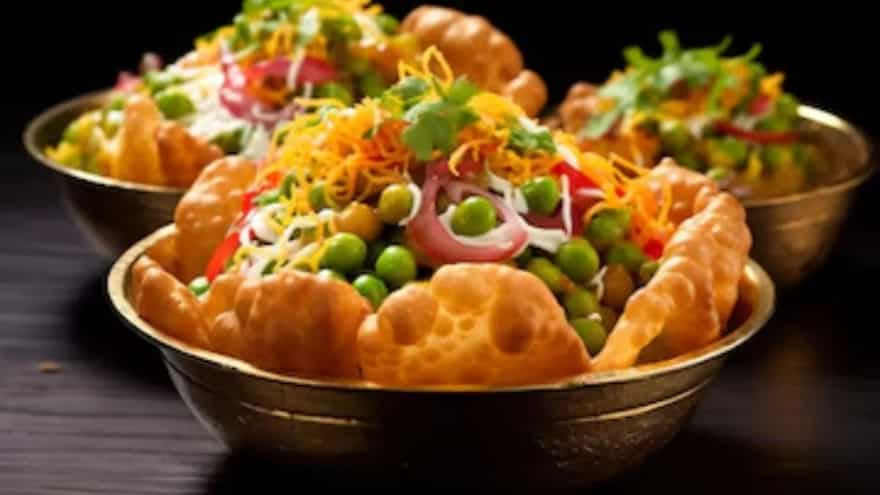
Chaat becomes easier to host when you treat each part as a separate preparation rather than making the finished dish in advance. Boil and refrigerate the potatoes, blend the green and tamarind chutneys, whisk the yoghurt and keep the chopped garnishes ready in advance.
When it is time to serve, you will be able to assemble the chaat in minutes. Add papdi and sev only at the end so they maintain their crunch. If you are hosting a large group, place the elements on the table and let guests assemble their own plates. It saves you from making individual servings and lets everyone modify the chutney, yoghurt and spice as per their liking.
(image credit: Freepik)
Marinate Paneer Tikka, But Grill It Fresh
Cut the paneer, onion and capsicum, mix them with the marinade and keep it refrigerated for over overnight. Keep the vegetables and paneer covered until you are ready to grill them.
Closer to serving, thread the pieces on the skewers and grill, bake or air-fry them. This is when the marinade forms lightly charred bites while the paneer remains soft within. Cooking it hours ahead defeats the purpose: the pieces can lose their warmth, and they can turn into a bit chewy instead of juicy.
What To Do On Rakhi Morning
By the morning, your kitchen should already look much less chaotic and manageable by following this approach.
- First: Take stock of your prepared fillings, shaped snacks and chutneys.
- Next: Set up the table, serving bowls, plates, skewers and garnishes before you start cooking.
- Then: Start with the item that needs the longest cooking time, while keeping fried or grilled snacks last or closer to the serving.
- Finally: Assemble the dishes only when everyone is ready to eat.
These small modifications can make a surprising difference. Instead of spending the day checking the kadai every few minutes, you can actually sit down with your loved ones, have your chai while it is still hot and enjoy the food with everyone instead of getting tired from running around.




