Share
Share

The prickly pear cactus, or nagphaani, has long been a familiar sight in the dry landscapes of Rajasthan, its thick pads and bright fruit surviving where few other plants manage to grow. Traditionally, the fruit was collected in small quantities by rural communities who valued it for its cooling properties and subtle sweetness. For years, it remained outside commercial markets, treated as a regional curiosity rather than a mainstream ingredient. In recent times, this perception has begun to change. The fruit’s vibrant colour, antioxidant content, and refreshing taste have attracted chefs, nutritionists, and food entrepreneurs who see potential in bringing this desert-grown crop into wider culinary use. Its transformation from a survival food to a health trend reflects a growing interest in India for indigenous superfoods that combine sustainability with nutrition.
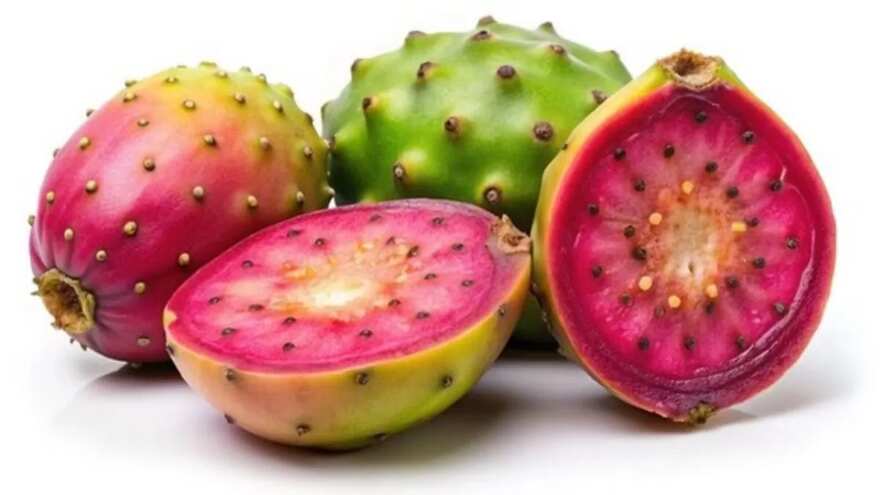
The Origin And Ecology Of Prickly Pear In Rajasthan
The prickly pear, scientifically known as Opuntia ficus-indica, grows widely in Rajasthan’s semi-arid zones, especially in districts such as Jaisalmer, Barmer, and Jodhpur. The plant belongs to the cactus family and was introduced to India several centuries ago, possibly through trade routes that connected desert regions across Africa and the Middle East. Over time, it adapted to local conditions, thriving in sandy soil with minimal rainfall. The plant’s ability to retain moisture and survive heat makes it valuable for preventing soil erosion and supporting biodiversity in fragile desert ecosystems. It has also been used as a natural barrier to protect farmland from grazing animals. Today, researchers and agricultural bodies in Rajasthan are studying ways to cultivate the prickly pear commercially, both for its fruit and for the cactus pads, which can be used in animal feed and biofuel production.
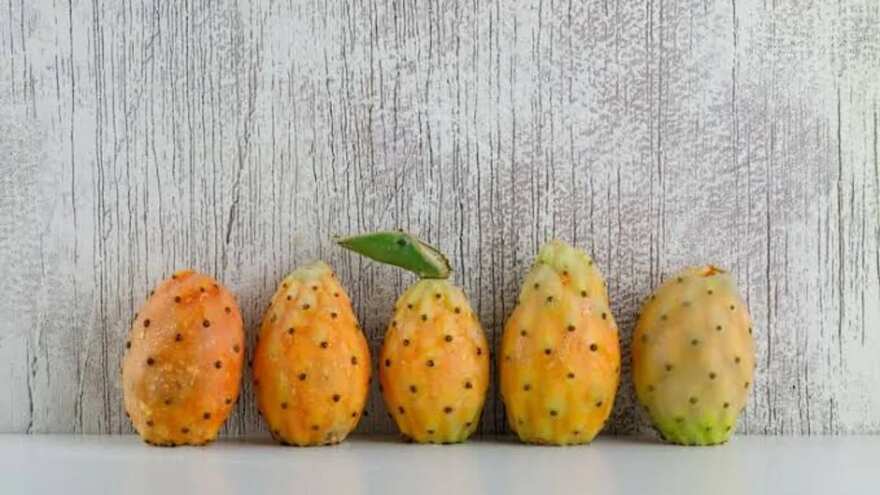
Nutritional Benefits And Health Appeal
The rising popularity of prickly pear in urban India is closely linked to its nutritional profile. The fruit contains vitamin C, magnesium, and a range of antioxidants that help reduce inflammation and support immunity. It also has a high water content and a naturally low calorie count, making it suitable for modern health-conscious diets. Nutrition experts have highlighted its potential benefits for managing blood sugar and cholesterol levels due to the presence of betalains and soluble fibre. These qualities have led wellness brands and juice companies to include prickly pear extracts in health beverages and dietary supplements. Many consumers are discovering that the fruit’s mildly tangy flavour pairs well with tropical ingredients such as pineapple, mango, or lime, allowing for natural sweetness without refined sugar.
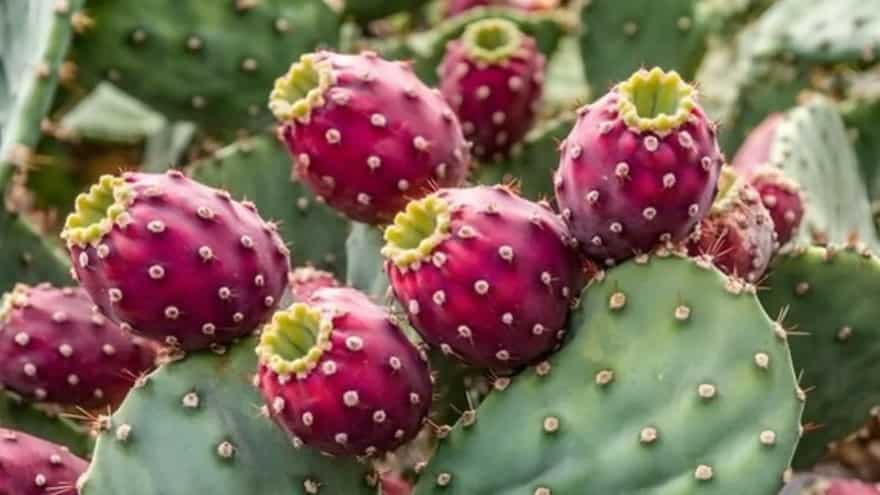
Culinary Uses And Regional Recipes
In Rajasthan, prickly pear fruit has been part of local diets for generations, though often in simple, home-prepared forms. Villagers traditionally peel the fruit carefully to remove fine spines before eating it fresh or turning it into a coarse chutney mixed with salt and chilli. The fruit pulp has also been used to make syrups and cooling drinks during the summer months. In recent years, chefs in Indian cities have begun to experiment with it in smoothies, sorbets, and salad dressings. Its colour, which ranges from deep red to magenta, adds visual appeal to dishes. Some restaurants have introduced mocktails using prickly pear juice to create a balance between sweetness and acidity.
The cactus pads, known as nopales in other cuisines, are also being explored for sautéed or pickled preparations, though this remains niche within India. In Indian kitchens, prickly pear can be prepared much like any other seasonal fruit once the spines are carefully removed and the pulp is separated from the thick skin. The fruit’s bright colour and gentle tartness make it versatile in both savoury and sweet recipes. Many home cooks blend the pulp into smoothies with banana or papaya for a natural sweetness, while others simmer it down into a tangy chutney with ginger, cumin, and jaggery, which pairs well with parathas or pakoras. The same pulp can also be reduced into syrup for drizzling over curd or pancakes, or added to sparkling water for a refreshing summer drink.
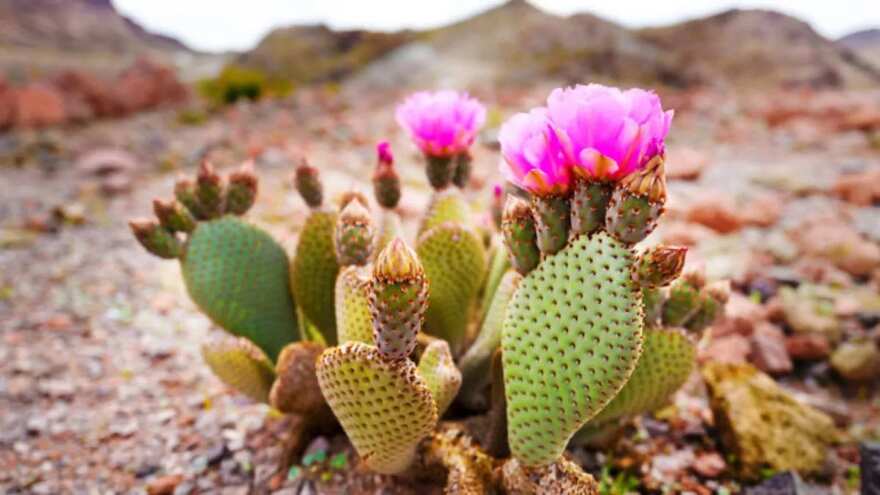
Future Of Prickly Pear In Indian Markets
The acceptance of prickly pear as a superfood in India is still developing, but its trajectory mirrors global trends where indigenous, drought-resistant crops are gaining renewed attention. Food start-ups and small businesses have begun sourcing prickly pear directly from Rajasthan to create jams, juices, and wellness snacks aimed at health-conscious consumers. However, challenges remain in terms of awareness, supply chain management, and handling techniques. The fruit’s outer layer contains fine spines that must be carefully removed, which limits large-scale handling without specialised processing. With better post-harvest methods and cold-chain logistics, prickly pear could become more accessible across cities. The government’s focus on promoting climate-smart agriculture and desert resource utilisation also aligns with the crop’s potential. As awareness spreads, the fruit could find a lasting place in both traditional and contemporary Indian diets.