


 Share
Share

Poila Baisakh, or the Bengali New Year, according to the Bengali calendar, is the first day of the year, which usually falls on 15 April and has various rituals and festivities, with food playing an essential role in this celebration. Bhapa ilish, a classic Bengali dish made with hilsa fish, which is marinated in mustard, coconut, and green chilli paste, and then steamed, is served. Hilsa holds a very special soft spot as this freshwater produce isn’t just a matter of cuisine, but loudly sings the song of undivided Bengal but its availability has been declining for a long time. The glory and royalty are just one side of the coin, but when you flip the other side, you’ll see the gore and grim realities of war, partition, and division of not just lands but hearts too. The tradition of eating fish began way back in the pre-partition days, and the fresh catch of hilsa from the Padma river was a speciality of the Bengali platter.
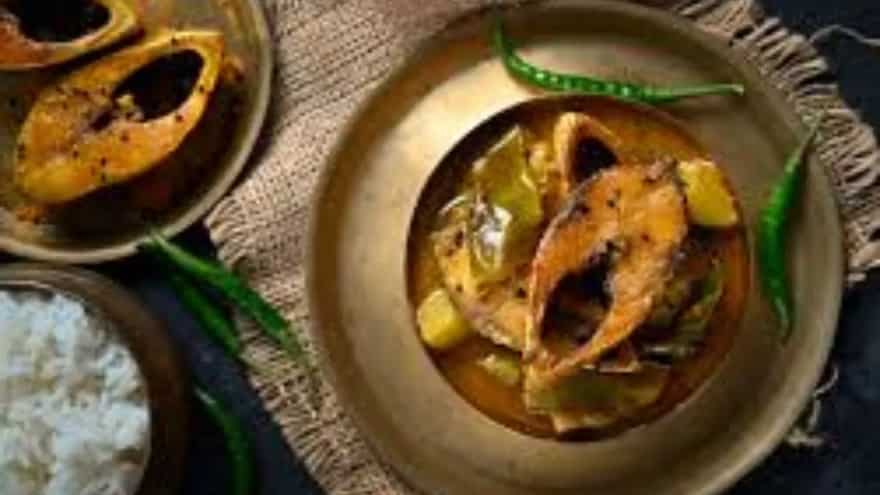
Image Credit: Wikiemedia Commons
A dispute in the catchment area of Hilsa over a fish called illish led to this freshwater fish being called hilsa thereafter. From ilish paturi to bhaja and maccher te jhol, there are plenty of ways in which the fish is served across East and West Bengal, especially during all the festive occasions. The cultural significance of the fish is undoubtedly the most important thing when you think of this soft, smooth, and flavourful fish with an oily texture. But in recent years, news has come forward that Bengalis are loving and consuming hilsa to death, literally, and some of the reasons for the low productivity are man-made at best. Furthermore, studies believe that natural fish stocks have declined in all major transboundary river systems in India and Bangladesh, affecting traditional small fishers.
The Rising Cost Of Hilsa
The fall in hilsa productivity, on the Indian side of the Bay of Bengal, has become a source of worry since over-exploitation in the northern portion of the Bay has decimated the hilsa population, endangering the livelihoods of over 26,000 West Bengal fishermen. In a research study conducted, scientists have questioned the sustainability of hilsa fishing operations in the northern Bay of Bengal. They suggested that an overabundance of permitted fishing trawlers is to blame for the dwindling hilsa population. From the estuary of the Ganga to deep in the Bay of Bengal, about 15,000 trawlers are hovering in the migratory path of the hilsa as the fish approaches the river to spawn and on its way out, the study found.
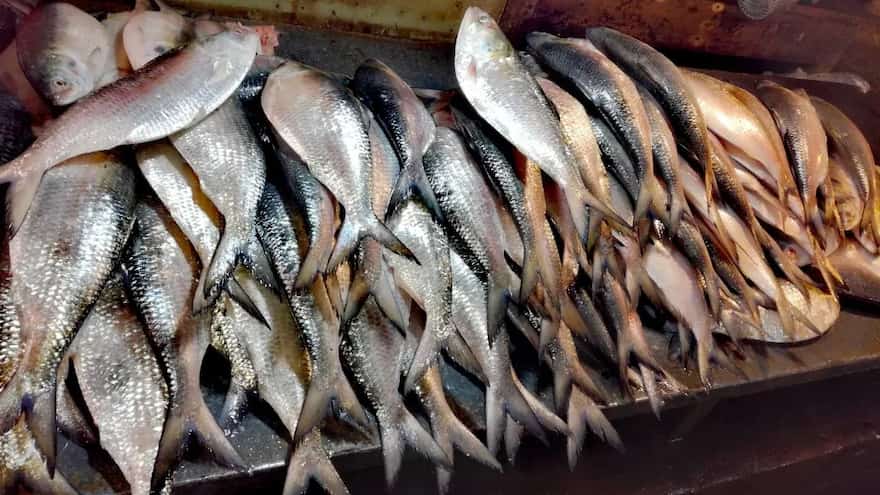
Image Credit: Wikimedia Commons
Every year, the West Bengal Fisheries Department releases fishing control notifications to enhance hilsa and other fish productivity. According to a circular, fishing in the sea and surrounding areas is prohibited between April 15 and May 31. Moreover, a special ban is imposed specifically for the conservation of hilsa during 15 September to 24 October. This strategy was created to ensure the uninterrupted breeding of hilsa. Besides fishing, selling, transporting and hoarding of hilsa, less than 23cm long is prohibited.
Poila Baisakh is also one of the few times when this fish is served extensively. Its identity as the national fish of Bangladesh and the state fish of West Bengal gives it a stature like no other. Beyond the traditional ways hilsa is served on Poila Baishakh every year, this year, try these creative recipes to turn your Bengali New Year festivities into a full-blown, lavish feast. Check these 5 recipes out and make them at home before it’s gone too soon:
Ilish Pulao
Ilish pulao is an excellent dish that is simple, elegant, and highly flavourful. It is light, mildly spicy, and simple to make. The recipe for ilish pulao is very much a family affair that varies from one Bengali kitchen to another. While it is not prepared to mark any specific festival or ritual in the region, it is also true that any occasion or special day is marked with the cooking of ilish pulao. Making this for Poila Baisakh 2026 is a must-try!
Doi Ilish
Every home celebrates hilsa when it's time to bring on the festivities. Bengalis can safely manage the fish's delicate bones while eating because they are familiar with its anatomy. For people of both West Bengal and Bangladesh, ilish is a way of life. In Bangladesh, there is a well-known proverb that states you're not doing it correctly unless your entire house, including your dishes and glasses, smells like hilsa. Doi ilish uses yoghurt to elevate taste. There is a hint of mustard, but the queen of fish is adamant that this shouldn't overshadow the nuances involved. For a weekday dinner, serve doi ilish with steamed rice and salad.
Ilish Er Panikhola
Ilish er panikhola from Barishal, Bangladesh, is a rare recipe and one that will definitely be the centre of conversation during your Poila Baishakh 2026 gatherings this year. This dish, with its minimalistic approach, uses onions and green chillies to create a light, pale stew. Unlike the traditional hilsa jhol, this dish incorporates onions, lending a subtle sweetness to the fish. The simplicity of the ingredients allows the natural flavours of hilsa to shine. This quick and easy recipe is perfect for those seeking a lighter yet flavourful hilsa experience. You need to add 1-2 teaspoons of mustard oil midway through cooking. This dish, with its subtle flavours, is a testament to the simplicity of Bengali cuisine.
Haat Dhoa Ilish
This dish, unlike more complex hilsa recipes, uses minimal ingredients and a straightforward cooking method, allowing the natural taste of the fish to stand out. The name ‘haat dhoa’ translates to "hand-washed," referring to the technique of mixing spices by hand, which adds a rustic charm to this traditional Bengali delicacy. This technique infuses the fish with subtle flavours. Cover the pan and cook on a low flame for 10–15 minutes. The dish's simplicity and the use of hand-ground spices make it a special addition to any Bengali meal.
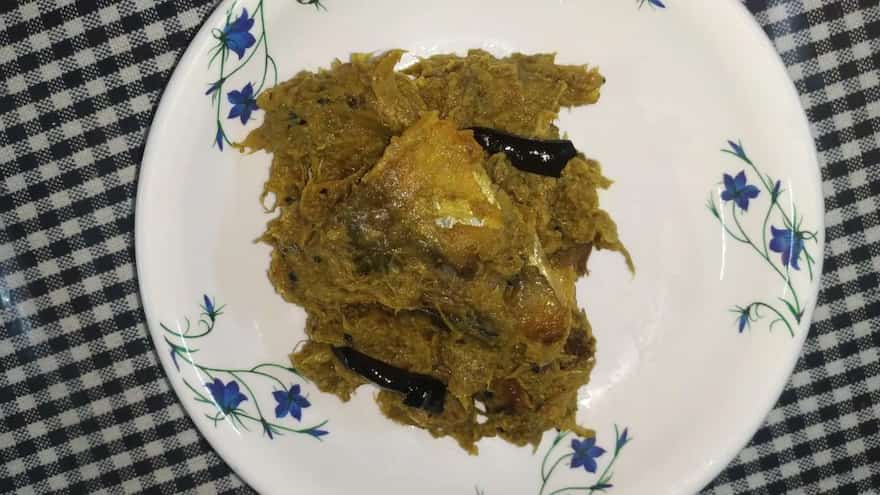
Image Credit: Wikimedia Commons
Kochu Patai Ilish
‘Kochu’ or taro or Colocasia esculenta, is a tropical plant similar to yams that is infamous for its edible leaves, underground roots and stalks. It is highly celebrated in South Asian cuisines, and in Bengal, it is no different, given how the region has wetlands, which are the perfect breeding ground for this plant. Taro leaves can often be itchy upon consumption, but to the trained eye, it is not so difficult to spot ‘kochu paata’ that can be sweet and not irritable. It serves as the perfect vessel for the fish to get steamed in and also acts as the commendable leafy green in the dish, adding a pinch of extravagance to the already festive spirit of Poila Baisakh 2026.




