


 Share
Share

During the peak summer months on the Iranian plateau, many people still seek the cooling comfort of sekanjabin, a beverage that has calmed Persians for over a thousand years. This syrup has a distinct flavour character and is a sweet-and-sour combination of vinegar, sugar, and infused mint and is one of Iran's oldest drinks, typically poured over crushed ice or with crisp, cool cucumber slices. This historic sharbat exemplifies Iran's culinary traditions and how the country has adapted to its weather conditions but today as global palates crave authenticity and regional taste, lost flavours are resurfacing, and sekanjabin discreetly reclaims its place as a timeless Persian classic.
Uncovering The Herbal Roots Of Persian Sekanjabin
In the 10th century, a physician named Ibn Sina or Avicenna authored a Canon of Medicine that detailed the medicinal properties of sekanjabin. When compiling his encyclopedia in the 12th century, royal physician Ismail Al-Jurjani documented the several forms of "sharbat," or syrups, that were popular in Persia. He mentions their beneficial characteristics, which help with dyspepsia and other "body imbalances". These syrups appear again in the Manuscrito Anonimo, a 13th-century Arabic cookbook from Andalusia. The name "sekanjabin" is an Arabic adaptation of the Persian term "sirka anjubin," which literally means “honeyed vinegar”.
The earliest recipes trace back to pre-Islamic Iran, where the drink was extremely popular, particularly during the medieval Islamic Golden Age. While honey was eventually substituted with sugar, the basic ingredients, vinegar and mint, remained unchanged. Sekanjabin was prepared in Persian homes during the hot months and often offered to guests on arrival as a gesture of hospitality. Its acidic, sweet, and herbal richness made it more than just a thirst quencher, but also a symbol of Persian culinary expertise.
What Sekanjabin Means In Persian Culture & Life
The cultural significance of sekanjabin goes well beyond medicine. The drink appears throughout Persian poetry and literature, frequently as a symbol of refinement and charity. In classical Persian poetry, sharbats like sekanjabin were used symbolically to depict emotions, particularly longing and happiness. According to Persian court records, sekanjabin served alongside extravagant dinners, and allusions can be found in writings chronicling royal banquets.
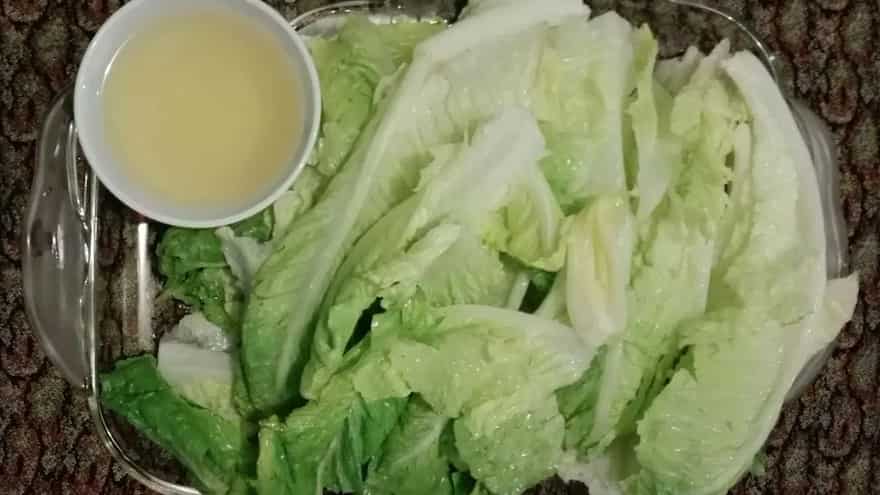
Image Credit: Wikimedia Commons
The summer heat and humidity in several places along the seas and beaches (North and South of Iran) are excellent reasons to write about some popular traditional Iranian cooling drinks like sekanjabin, especially if people who want to visit Iran during the long, hot summer holidays wish to escape the summer heat.
Overall, sekanjabin is more than just a drink; it is a cultural artefact and an essential component of Iran's living legacy. In a world overrun by fizzy beverages and artificial tastes, this basic drink feels innovative. It represents sustainability, minimalism, and wellbeing, all while invoking the elegance of Persian civilisation.
Traditional Servings Of Sekanjabin & Modern Adaptations
Traditionally, sekanjabin was prepared in the spring, bottled, and preserved for use throughout the summer. The drink's creation was a domestic ritual where you had to boil sugar or honey with vinegar and fresh mint, then slowly reduce the syrup until fragrant. While the base was the same, regional variations included cucumber juice, shredded cucumber, rosewater, or even lettuce leaves in the drink.
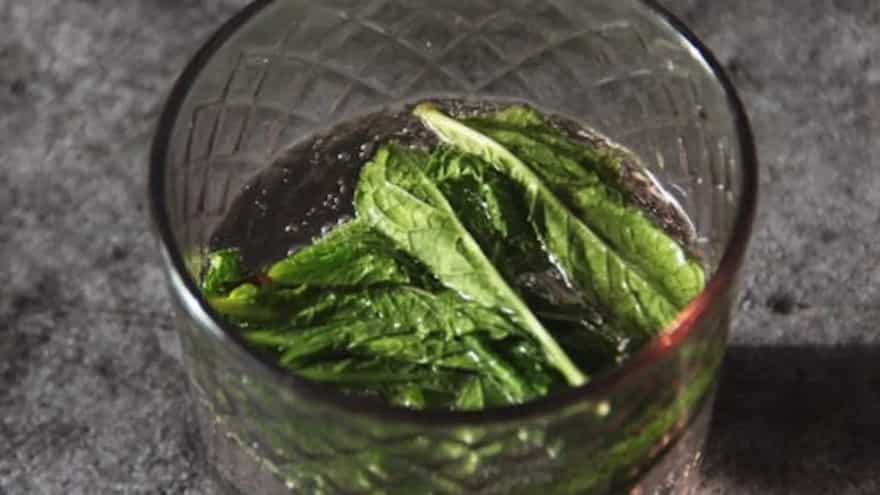
Image Credit: Pexels
In rural Iran, sekanjabin is still sold by vendors at summer festivals and markets, often in earthen pots with shaved ice or in copper jugs with cucumber slivers. It is consumed cold, sometimes diluted with water, and occasionally sipped leisurely while nibbling on fresh fruits. The drink's natural ingredients and health benefits, like mint's cooling effects, vinegar's probiotic qualities, and the lack of artificial additives, are consistent with current wellness trends. Its adaptability also makes it popular with mixologists, who use it in cocktails or as a syrup base for sodas and mocktails.
Sekanjabin, whether sipped with ice on a hot afternoon, poured over sliced cucumbers, or mixed into a cocktail, transports you to ancient Persia with a cool, sophisticated, and gloriously ageless taste that lingers.




