


 Share
Share

The story of the Parsi community is one defined by the graceful art of migration and the resilient spirit of adaptation. It is a narrative that began around 800 CE when Zoroastrians from Persia sought refuge on the shores of Gujarat, bringing with them a culture that would eventually become an inseparable thread in the fabric of India. Legend tells of the Qissa i Sanjan, where the Parsi leaders promised the local King to be like sugar in a bowl of milk: blending in perfectly while sweetening the whole. Today, that same spirit of evolution is being carried forward by culinary professionals like Peri Avari. Based in the San Francisco Bay Area, Peri is a chef and entrepreneur whose career began in the prestigious corridors of India's Taj Hotels. During her decade with the group, she managed state visits for high ranking dignitaries and international celebrities, mastering the nuances of pan Indian cuisine and the highest standards of hospitality.
Now the founder of Simply Bhonu, Peri has transitioned from the luxury hospitality sector in Mumbai to the bustling innovation hubs of Silicon Valley. Her work focuses on bringing Indian Parsi flavours to a global audience through shelf stable chai and spice blends that preserve the soul of the cuisine in a modern, accessible format. Through her blog, Peri's Spice Ladle, and her sold out cooking classes, she demystifies a cuisine that is often misunderstood or entirely unknown to Western palates. As we celebrate Parsi New Year 2026, Peri shares her insights on how heritage survives across oceans and how the Parsi table continues to evolve with the seasons.
Navroz marks the Spring Equinox, a time of rebirth and renewal that aligns with the natural world waking up. For a culinary researcher or a home cook, it represents a shift from the heavy, warming spices of winter to the bright, restorative ingredients of spring. Peri carries this understanding of seasonal vitality into her work, ensuring that traditional recipes maintain their heart while embracing the fresh produce of her current home in California. In this interview, she reflects on twenty one years of life in the United States and the creative ways she maintains her cultural identity.
How does Navroz feel different celebrating it in the U.S. compared to back home?
Since moving to the U.S. about 21 years ago, many celebrations have changed and evolved. For me personally, Navroz became a celebration of spring, especially since we Parsi folk celebrate the New Year in August according to our calendar. Whatever way you look at it, the common thread remains the Parsi flavours that grace my table.
What does a Navroz table look like for you today, and how has it evolved over time?
Since Navroz coincides with the start of spring, the menu and dishes at the table have shifted to be more California forward, featuring lighter flavours and seasonal ingredients, such as Parsi Beef Kavab served on a bed of Lemon Mint Quinoa.
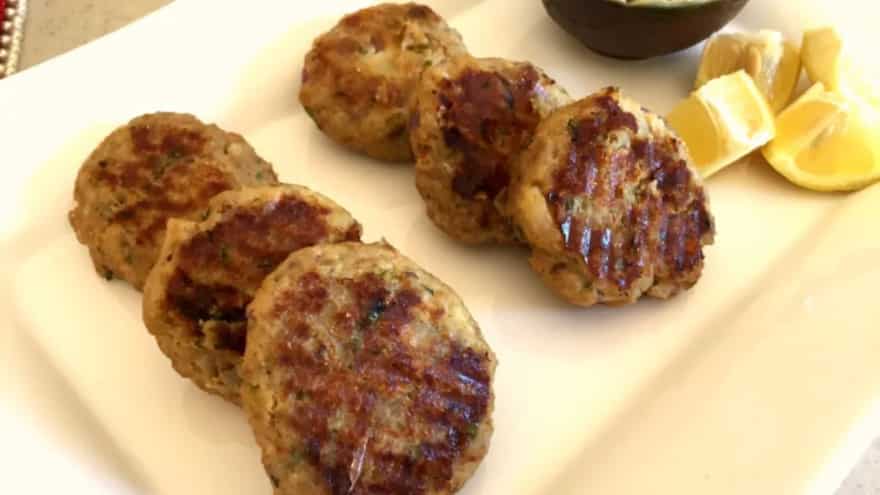
Image credit: Peri Avari
Are there any heirloom recipes that you have carried with you or adapted in your kitchen abroad? Have any ingredients or techniques changed for you since moving to the U.S., and how has that shaped your cooking?
As a culinary professional in the hospitality industry, working with the Taj Group for a decade meant that much of my focus was on pan Indian cuisine and how to present it to a global audience. However, things changed when I came to the U.S. Today, I use that same knowledge and experience to adapt Parsi dishes to Western palates and cooking techniques, like steaming Patra ni Macchi in parchment paper, turning Parsi Lamb Pulao into a one pot rice dish, or baking, instead of frying, all my Kavab and cutlets.
How do you approach preserving Parsi food traditions while also responding to a new cultural context?
Simply put, the best approach is to be flexible and open to change! Heres an example of how that works: When I lived in Austin in the 2000s, I wanted to continue the tradition of Chalk Toran, a type of rangoli and fresh flower garland that you often see outside Parsi homes. I had brought my template boxes from India, but not the white rangoli powder. So, I used the talcum powder from my bathroom as a substitute and turned it into a fun craft project for my kids, creating a permanent Toran. As an immigrant, it is important to adapt to the current reality and find creative solutions to engage the next generation.
What role does food play in maintaining a sense of identity within the Parsi diaspora during Navroz?
Food is one of the easiest ways to showcase culture and identity, not just within the diaspora, but also to locals. Or maybe I think that way because I am a food professional! But what could be easier than cooking a dish my grandma made, adapted for Western tastes, to show what Parsi food is really all about? That is what I do, not just during Navroz, but at every opportunity throughout the year.
What are your personal favourite dishes to cook or eat during Navroz, and why do they stand out to you?
An example of a Navroz menu would include: Parsi Beef Kavab, frittata style Papeta per Eedu, and Salmon Saas ni Macchi white gravy with Khichri rice and lentils, served with citrusy salads and flatbreads. I finish on a sweet note with Parsi Ravo pudding topped with fried nuts and cardamom nutmeg flavoured whipped cream.
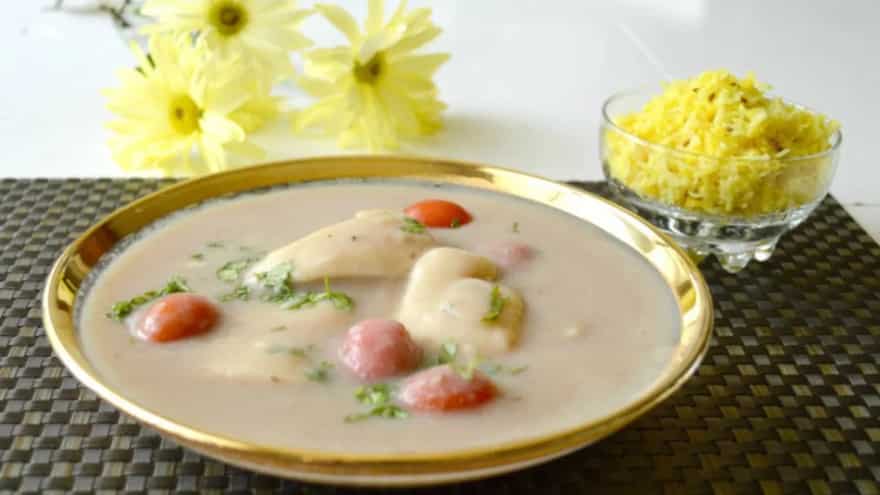
Image credit: Peri Avari
What are some of your earliest memories of Navroz celebrations growing up?
Growing up in Mumbai, Navroz was always a secondary celebration to the Parsi New Year, which falls in August. We often visited the homes of Irani Zoroastrian friends to view their Navroz table set up and partake in the celebration. On Navroz day, we would visit the fire temple and later join friends and family for dinner and, sometimes, a traditional Parsi natak or play. What I remember most from my childhood was the always amazing Parsi food spread!
Why do you think it feels especially important to hold on to these recipes and rituals today?
The Parsi culture and its vibrant cuisine, which arrived in India around 800 CE, are a genuine tale of migration and adaptation. When I came to the U.S. over two decades ago, that same spirit came into play as I adapted to my new country. Today, we live in a world where moving between countries and adapting to new cultures is highly relevant for the current generation. The Parsi culture serves as a great example.
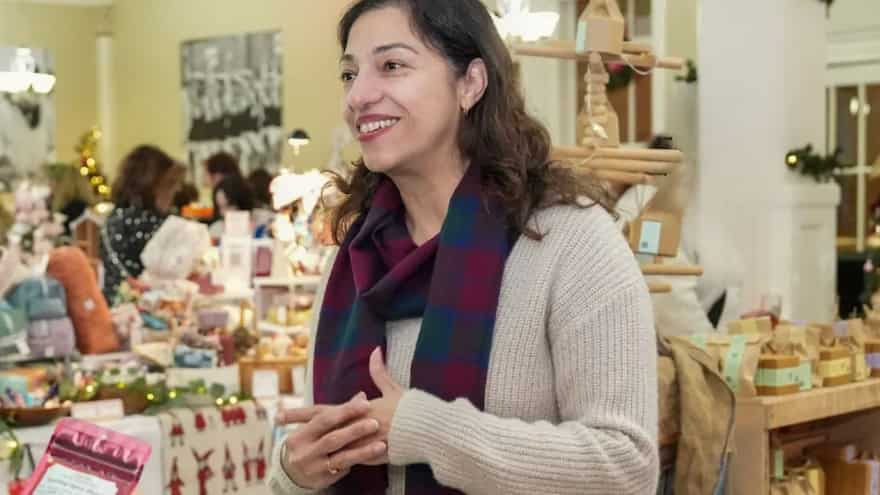
Image credit: Peri Avari
How has building Simply Bhonu shaped the way you think about representing Parsi cuisine globally?
Simply Bhonu is the culmination of all my years of experience and culinary wisdom. In the San Francisco Bay Area, people are genuinely enthusiastic about learning new cuisines. I run a popular in person cooking class at a local school called Parsi Wedding Feast Lagan nu Bhonu, which is always sold out. Interestingly, more than half the participants have no idea what Parsi food is when they arrive. Even at local markets, the majority of my product sales are to non Indian customers. I shape Simply Bhonu and its products to reflect my own love and respect for my native cuisine. Years of being a busy professional and mom meant that food had to come to the table as simply as possible. That is the kind of Parsi food I am bringing to the new generation: no complicated steps, no unusual ingredients, just simply good food!




