


 Share
Share

Manipur, a Northeastern Indian state surrounded by verdant hills, is celebrated not only for its stunning natural beauty and diverse culture but also for its exceptional and deeply ingrained culinary heritage. Manipur is often referred to as the “Jewel of India”. The influence of Manipuri cuisine extends beyond the boundaries of the state, showing a blend of indigenous flavours with subtle touches from neighbouring regions. A lot of rice, fish, and leafy green vegetables are used in Manipuri Cuisine. Fish are abundant in the area because it is dotted with numerous water bodies, both large and small. Ngari, or fermented and dried fish, is a key component of most recipes. Manipuri cuisine is distinguished by its use of specific ingredients that contribute to its unique flavours and aromas.
Video Credits: Bluebell Recipes/ YouTube
Ooti
Ooti is a native and traditional vegetarian food of Manipur, loved for its ease of making and deliciousness to eat. Prepared with soaked rice and soaked green beans or yellow beans, it is slowly boiled to a porridge consistency and given a slight soda and indigenous herbs like chives for flavouring. It's seasoned with garlic, onions, ginger, bay leaves and mustard oil. Every household's way of making it is a little different. It’s simple, nutritious and light, making it an essential side dish. It is a staple during festivals and an everyday meal in many homes, reflecting the Manipuri love for wholesome, plant-based cuisine.
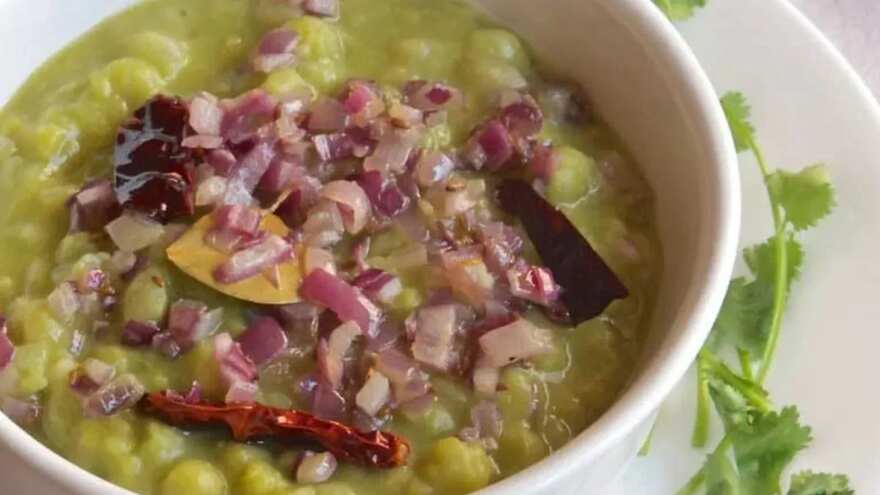
Image Credits: Wikimedia Commons
Eromba: A Soulful Manipuri Dish
Of the many delicious dishes which symbolise the Manipuri diet, ‘Eromba’ is very much a hearty everyday food. Simple in ingredients but complex in taste, ‘Eromba’ is not just a mere dish; it’s, in fact, a cultural icon. ‘Eromba’ is not just food in Manipuri homes; it’s a way of life. It depends heavily on locally-grown, seasonal produce, and on traditional fermentation techniques that create highly nutritious foods while reducing waste and improving gut health. Eromba has not gone out of favour, probably because of its health benefits. The meal is gluten-free, low-fat and high fibre, containing probiotics.
The process of preparing ‘Eromba’ typically involves boiling potatoes along with any seasonal vegetables like banana stem, banana flower, fresh bamboo shoot, etc., until they are tender. For mashing, set aside a portion of the boiling water. Then cook the fermented fish, tomato and chillies together for 5 to 7 minutes, until the fish is tender and fragrant. Now, mash the fermented fish, chillies, tomato and boiled vegetables together with a masher or a mortar and pestle. For a more fragrant taste, add boiled garlic while mashing. Garnish with fresh coriander leaves (optional) and season with salt as needed. It is enjoyed as a side dish in a traditional Manipuri Thali.
Shingju
Shingju is Manipur's all-time favourite salad or snack. Produced using a wide range of green vegetables and regional spices, it serves as a tasty and nutritious side dish or a cool afternoon or evening snack. The fermented fish, which is the primary flavour and texture component of this recipe, gives it its distinct flavour. King chilli, perilla seeds (known as thoiding in Manipuri), and chickpea powder, of course, also contribute their unique touch. Raw vegetables like cabbage, snow pea leaves, onions, coriander leaves, Chameleon plant or Houttuynia and occasionally lotus stems are finely shredded and used in its preparation. All these ingredients are mixed in a bowl, adding salt as per taste buds and enjoyed as a snack or side dish. To keep the ingredients crisp, they are combined right before serving. Singju is frequently served as a complement to meals, at special events, and communal feasts.
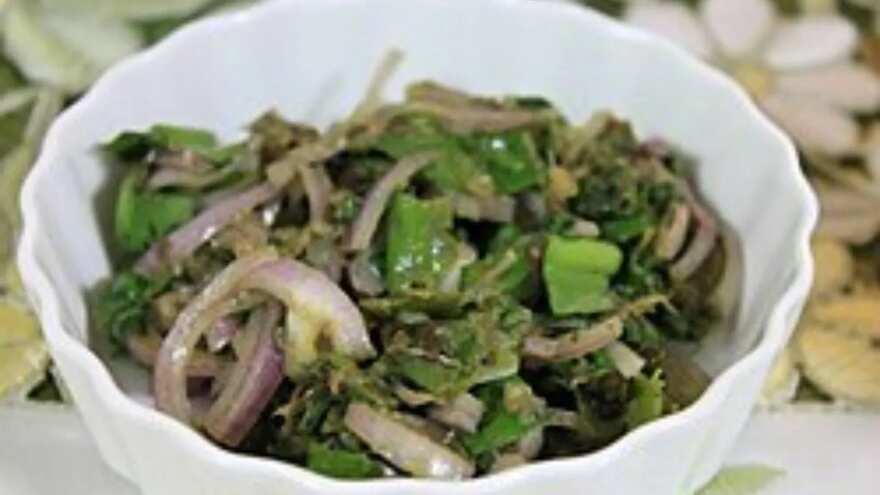
Image Credits: Wikimedia Commons
Kangsoi (Manipuri Style Vegetable Stew)
The people of Manipur also make a dish called “Kangsoi”. The ingredients used are any seasonal vegetables (spinach, mustard greens or beans), potato, chilli flakes, onion, spring onion, tomato, coriander, ginger, garlic and salt for taste. They are cooked and flavoured with roasted fermented fish (Ngari) to create this traditional, authentic Manipuri stew or curry. It is extremely easy to make and completely oil-free. The vegetarian version is made entirely of seasonal vegetables flavoured with fragrant herbs, while the original non-vegetarian version makes extensive use of fried or roasted fermented fish. This dish is very flavourful, even though it is made with very few ingredients and no oil or spices.
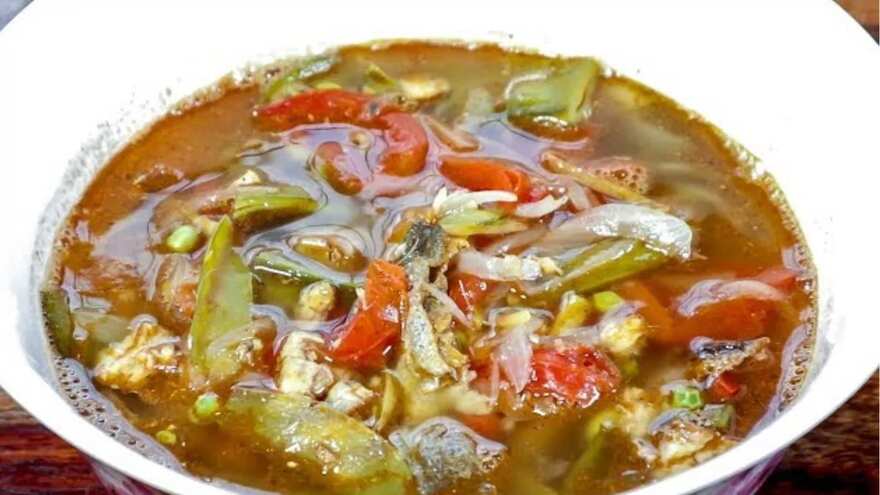
Image Credits: Wikimedia Commons
Nga Atoiba Thongba (Disintegrated Fish Curry)
A special place in Manipuri cuisine is occupied by the traditional fish curry known as Nga Atoiba Thongba. Nga Atoiba Thongba is renowned for its fragrant, mildly spiced, and comforting flavours. The term, which translates to disintegrated fish curry, describes the delicate, broken fish chunks that blend perfectly with the curry's mild gravy. A thin broth made with potatoes, tomatoes, green chillies, and regional herbs is used to simmer freshwater fish, after they have been lightly fried. Ginger, turmeric, and occasionally fermented fish (ngari) are used to give the dish depth and a distinctive umami flavour. It is light and soupy. The dish embodies the natural simplicity of Manipuri cooking, where the freshness is paramount. Nga Atoiba Thongba is a staple of daily meals because it is nourishing and comforting when served hot with steamed rice.




