


 Share
Share

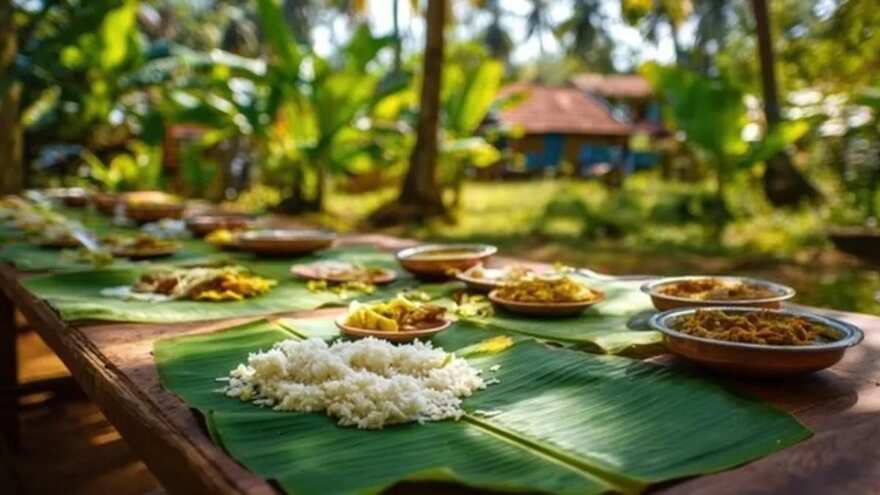
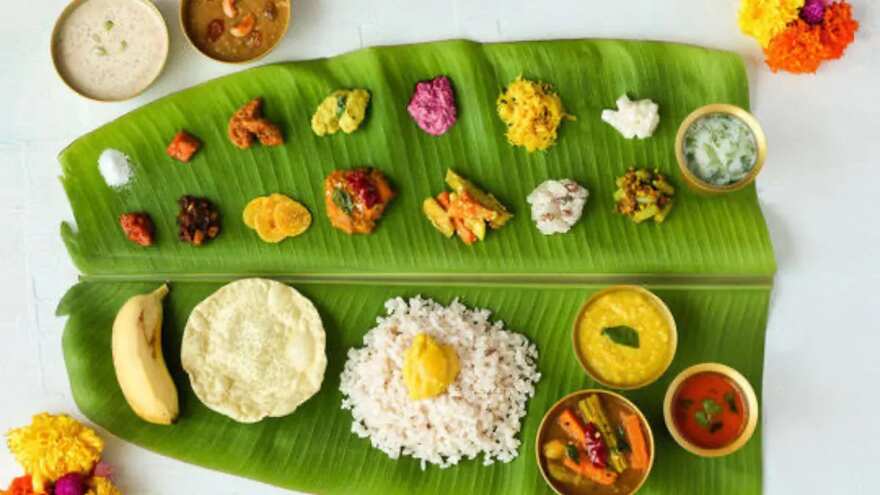
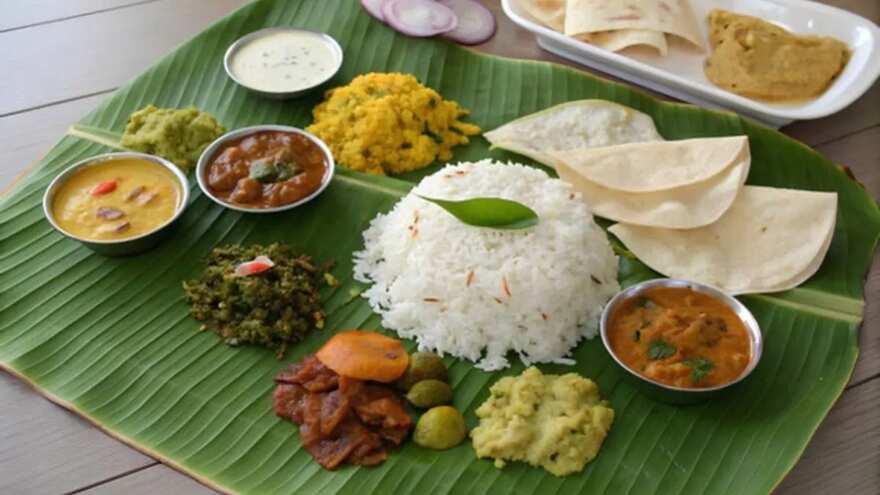
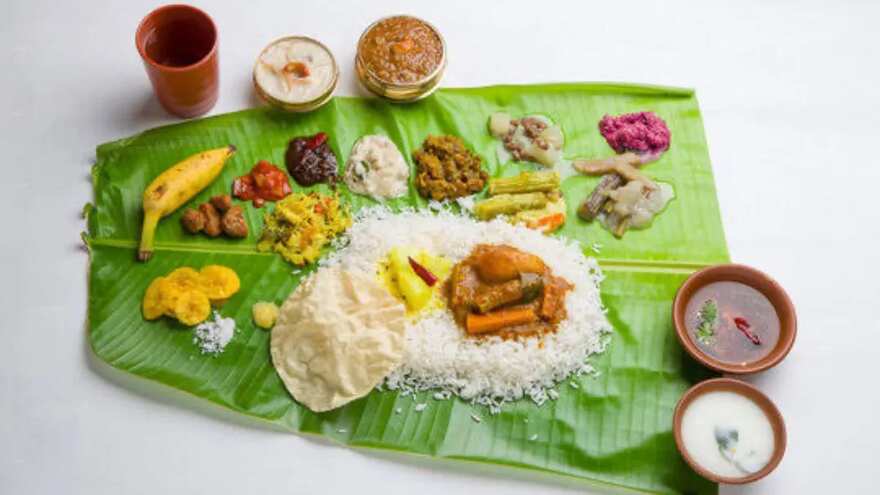
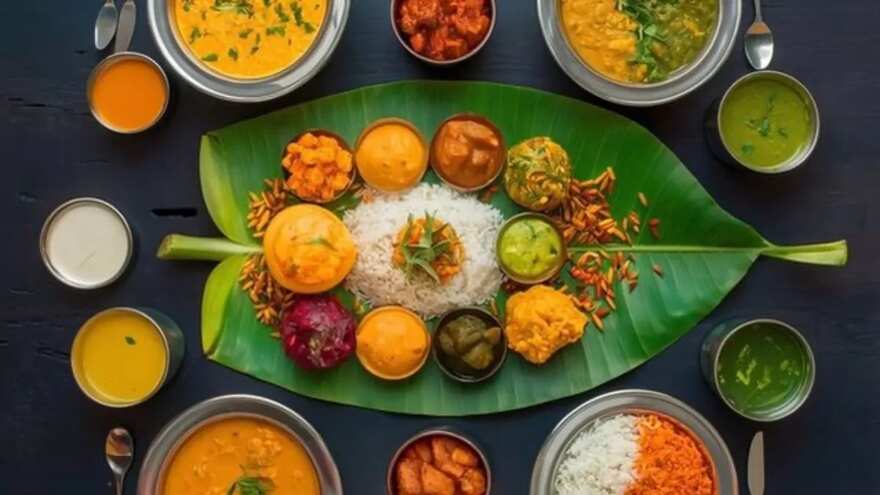
Onam is the harvest festival of Kerala and is celebrated with great joy across the state and in Malayali communities worldwide. The highlight of Onam is the grand Sadhya, a vegetarian feast that can have more than 20 dishes served together. Each dish carries cultural importance and represents the diversity of Kerala’s food traditions. While the full Sadhya is an experience in itself, preparing it requires significant effort, multiple ingredients, and long hours of cooking.
In recent years, people have begun looking for simpler approaches that still allow them to enjoy the flavour of Sadhya without becoming difficult to prepare. Many households now adapt the traditional recipes by using fewer spices and vegetables, while keeping the authentic taste alive. These minimal versions can be especially useful for working families, students, or anyone living away from home. They also allow more people to experience the tradition without needing access to every single regional ingredient. Below are seven Sadhya dishes presented in their simplest form, adjusted to use fewer ingredients while still honouring the spirit of the festival.
1. Parippu Curry
Parippu curry is the lentil dish usually eaten first with rice during Sadhya. The traditional version involves multiple steps and several spices. A minimalist version can be made by cooking moong dal with turmeric and finishing it with a coconut and green chilli paste. The tempering can be kept simple with coconut oil, mustard seeds, and curry leaves. This approach reduces the ingredient list but still delivers the warm, nutty flavour that defines parippu curry in the meal.
2. Olan
Olan is one of the mildest dishes in the Sadhya and pairs well with the richer curries. Traditionally it includes ash gourd, red cowpeas, coconut milk, and curry leaves. A simplified version can be made by using only ash gourd cooked gently in thin coconut milk, with a few green chillies for heat and curry leaves for aroma. The absence of multiple legumes or thick coconut milk makes the dish quicker but does not take away its delicate balance. Olan in this form still retains its light flavour and soothing texture, making it a must-have even in a shorter menu.
3. Thoran
Thoran refers to a dry vegetable preparation with grated coconut. In a full Sadhya there can be several varieties of thoran, each prepared with different vegetables such as beans, cabbage, or carrot. For a minimalist version, cabbage thoran is an excellent choice because cabbage is easy to find and cooks quickly. The recipe can be limited to cabbage stir-fried with grated coconut, green chillies, and a tempering of mustard seeds and curry leaves in coconut oil. By avoiding elaborate spice mixes, this version is practical for everyday kitchens while still providing the crunch and freshness that thoran brings to the meal.
4. Avial
Avial is one of the most iconic dishes of a Sadhya and is usually made with a large variety of vegetables. In the traditional recipe, vegetables like yam, drumstick, raw banana, and beans are used together with a coconut and yoghurt base. To make a simplified version, two or three vegetables such as carrot, beans, and drumstick can be combined. The coconut paste can be kept basic with only coconut, green chillies, and cumin. Yoghurt can be added at the end to complete the dish. Even with fewer vegetables, this version captures the essence of avial as a thick and slightly tangy curry that binds the meal together.
5. Kootu Curry
Kootu curry is a thicker curry that often contains black chickpeas, yam, and raw banana, cooked with roasted coconut. A minimalist kootu curry can be prepared with just black chickpeas and raw banana, along with grated coconut roasted in a little ghee or coconut oil. The seasoning can be simple with curry leaves and black pepper. Although it does not include all the traditional vegetables, it still carries the earthy flavour of chickpeas and the sweetness of coconut, making it an important addition to the reduced menu.
6. Pachadi
Pachadi is the Sadhya dish that brings a sweet and sour balance, usually made with fruits or vegetables in a yoghurt base. Pineapple pachadi is one of the most popular versions. For a minimalist approach, diced pineapple can be cooked with green chillies and combined with whisked yoghurt. A tempering of mustard seeds and curry leaves in coconut oil is enough to finish the dish. The result is a refreshing side dish that adds variety to the meal without needing extra ingredients or complex preparation.
7. Payasam
No Sadhya is complete without payasam, which is the sweet dish served at the end. There are many varieties of payasam made with rice, lentils, or vermicelli, often flavoured with jaggery, cardamom, and ghee. For a simple version, semiya (vermicelli) payasam works well because it cooks quickly and requires only a few ingredients. Vermicelli can be roasted lightly in ghee, boiled with milk, sweetened with sugar or jaggery, and finished with a small amount of cardamom. A handful of cashews or raisins fried in ghee can be added if available. This keeps the preparation short while still giving the celebratory sweetness associated with Onam.




