


 Share
Share

As Onam 2025 draws near, Chef Surabhi Sehgal, also known as @supaintsonplates on Instagram, steps into tradition with a heartfelt culinary journey. Known for her plant-forward philosophy and remarkable sense of plating, Surabhi prepared her very first full Onam Sadhya: a vibrant Kerala feast served on banana leaves, where each dish tells a story of heritage and abundance. For her, the experience went beyond cooking; it became a celebration of colour, flavour, and community spirit. In this conversation, she shares the lessons she learned while preparing the Sadhya, from mastering the balance of classic dishes to making the spread visually striking. With her thoughtful approach to food and plating, Surabhi also offers tips for home cooks looking to honour Onam traditions or simply elevate everyday meals with beauty and balance.
1. This was your first time preparing an Onam Sadhya. How was the overall experience?
This was my very first time preparing a complete Onam Sadhya, and it was truly an unforgettable experience. In the past, I’ve cooked individual dishes from the Sadhya, but bringing together the entire spread on a banana leaf was something else entirely. Sadhya is not just a meal; it’s a celebration for all the senses. The vibrant colors, the contrasting textures, the symphony of flavors, and even the fragrance of the fresh plant-based dishes coming together make it deeply nourishing for both body and soul. Preparing it from start to finish was challenging, but also filled me with joy and gratitude.
2. What kind of experimentation or trial-and-error was involved?
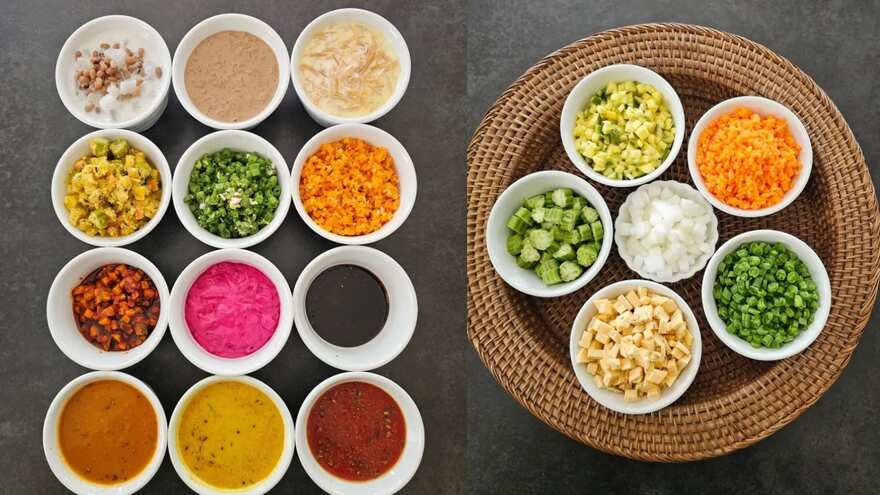
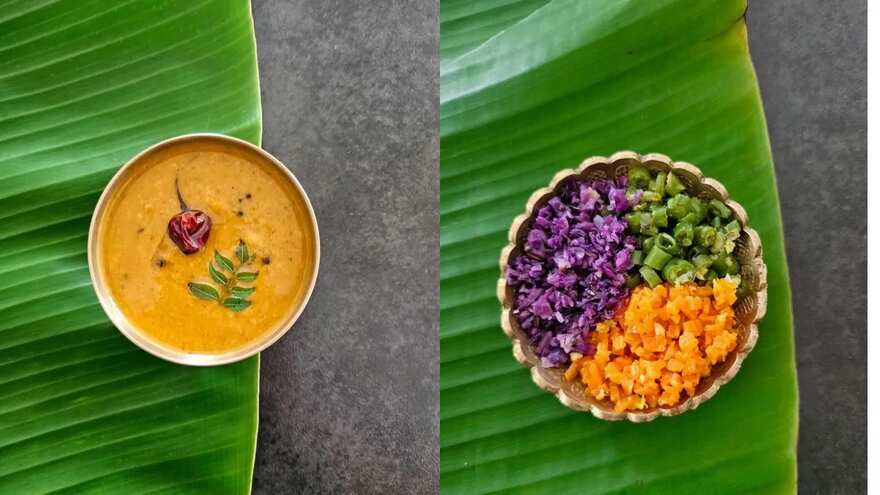
I didn’t experiment this time, because I wanted to honour the tradition in its truest form. I spent many days researching authentic recipes, studying the nuances of each dish, and following the traditional methods as closely as possible. My focus was on experiencing the Sadhya exactly as it has been prepared for generations, without adding modern twists. The only small change I made was using purple cabbage instead of green cabbage, it added a vibrant pop of colour while keeping the dish authentic in spirit. For me, this first full Sadhya was about celebrating its heritage, respecting its roots, and experiencing the beauty of a plant-based meal that is as nourishing as it is timeless.
3. Onam Sadhya has many components. Which dish did you find the most challenging to prepare and why?
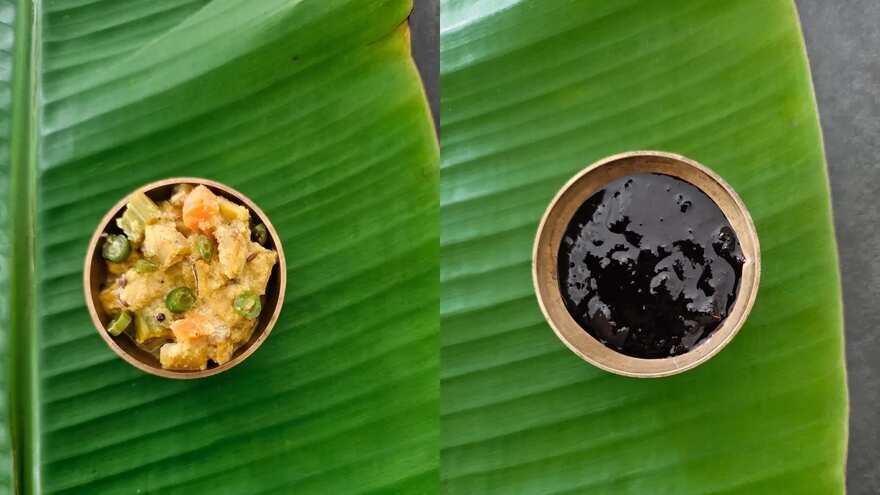
Every dish in the Onam Sadhya has its own personality, but the one I found most challenging to prepare was the Avial. It’s such a delicate balance of flavors; neither too tangy nor too mild, with just the right amount of coconut, green chili, and curry leaves binding the seasonal vegetables together. Getting the consistency right was also a learning curve; it can’t be too dry or too runny. Since Avial is such a centerpiece of the Sadhya, I felt a lot of responsibility to make it just right, and that made it both the most challenging and the most satisfying dish to prepare.
4. Which dish did you enjoy plating the most, and what made it stand out for you?
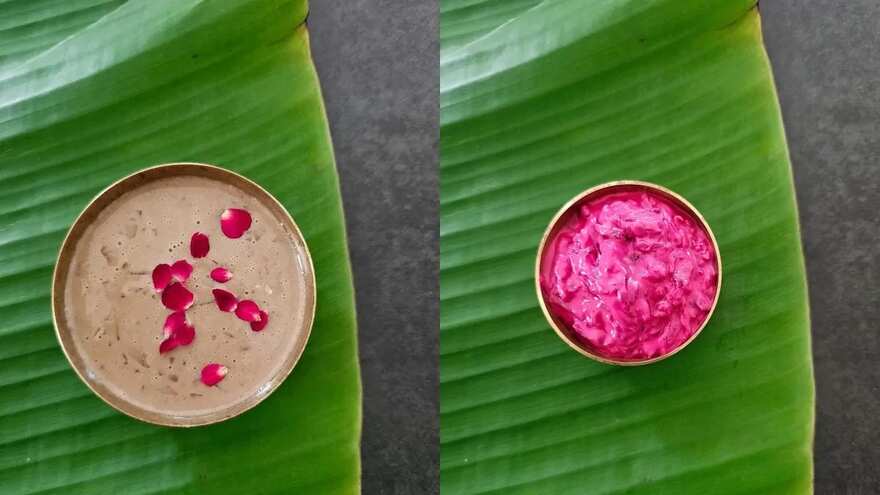
The dish I enjoyed plating the most was the Beetroot Pachadi. Its jewel-like pink hue immediately stood out on the banana leaf, adding such vibrancy to the entire Sadhya spread. Beyond its striking color, I loved how the creamy yogurt base, tempered with coconut and spices, created a beautiful contrast against the earthy sweetness of beetroot. It felt like a little burst of celebration on the leaf; both visually and in taste
5. What tips would you give to someone attempting to cook an Onam Sadhya for the very first time?
For anyone attempting their first Onam Sadhya, my biggest tip is planning and patience. Research authentic recipes carefully, make a list of all ingredients, and prepare as much as you can in advance. Focus on one dish at a time, and don’t rush; the flavors need time to develop. Respect the traditional sequence of dishes on the banana leaf, but also trust your instincts with plating. And most importantly, enjoy the process; it’s as much about celebrating the culture and community as it is about the food
6. As a plating expert, what advice would you give for presenting an Onam Sadhya at home?
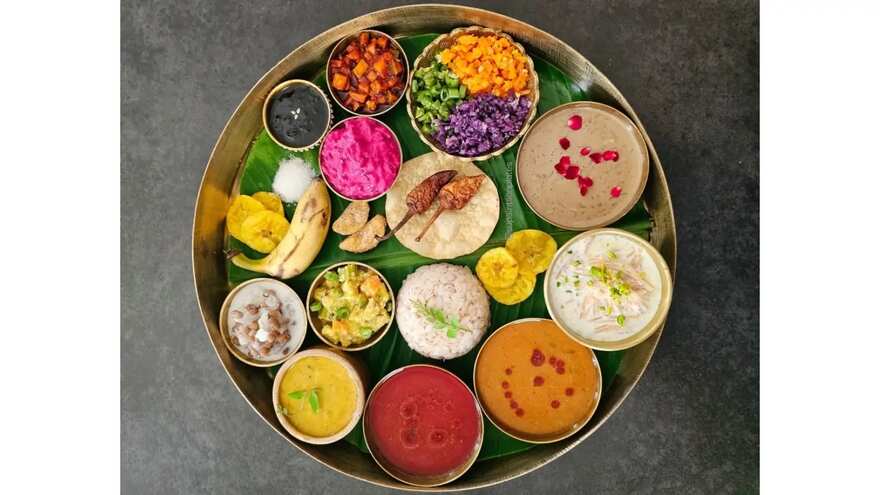
Plating an Onam Sadhya is an art in itself because the banana leaf becomes your canvas. My biggest advice would be to respect the traditional placement of each dish; there’s a rhythm to how the flavors are meant to be experienced, starting from the pickles and chutneys to the vegetables, curries, and finally the sweets. Keep contrasts in mind: vibrant colors like Beetroot Pachadi or Parippu (lentil dish) next to lighter dishes like olan and rice make the spread visually striking. Balance textures too; crispy papadam and fried chillies alongside rice and sambhar enhances the sensory experience. And above all, don’t overcrowd; give each dish space to shine.
The beauty of a Sadhya lies in its harmony, so let the colors, textures, and aromas come together as a feast for the eyes before it becomes one with the soul.
7. What are your recommendations for Indian home cooks who want to plate their everyday meals in a simple but appealing way?
My biggest recommendation is to treat your plate like a canvas, even for everyday meals. Start with balance: think of contrasting colors, like pairing a green sabzi with a vibrant yellow dal and a bright beetroot salad. Use small bowls for gravies and chutneys, they create neatness and structure. Don’t overcrowd the plate; leave some white space so each element stands out. Adding a fresh garnish, like a sprig of coriander, a wedge of lime, or a few pomegranate seeds, instantly makes a meal look inviting. And finally, think in layers, place the base (like rice or roti) first, then build around it with sides in a way that feels harmonious. Simple tweaks like these can make even the most humble home-cooked meal look beautiful and feel special.
8. What would you advise to someone who is just getting into the art of plating for festive occasions?
Plating for festive occasions is more elaborate than everyday meals. For everyday cooking, simplicity and ease are key: neat portions, clean bowls, and a touch of garnish can elevate the plate without adding extra effort. It’s about making the food look inviting yet approachable.
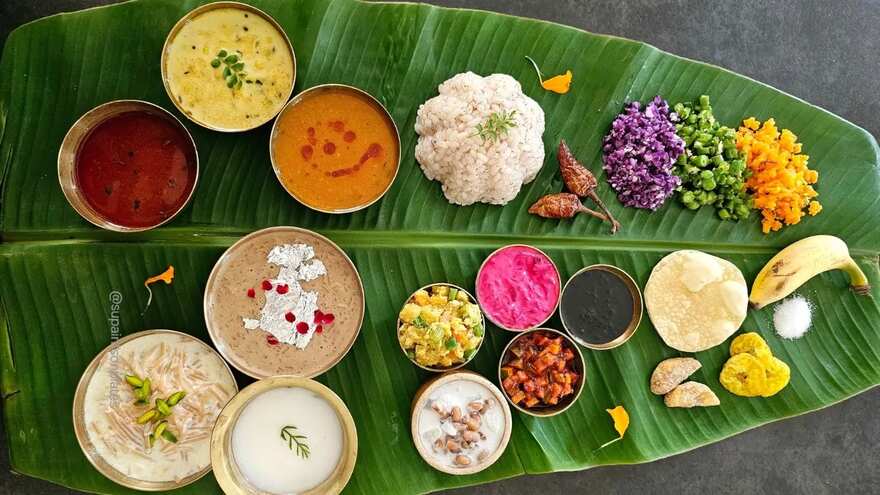
Festive occasions, however, call for a sense of abundance and celebration. Here, I’d suggest playing with color contrasts more boldly, using traditional serveware like brass thalis, banana leaves, or ceramic bowls to create a sense of occasion. Small details make a big difference: use edible flowers, Slivered Pistachios, dried rose petals, silver and gold leaf to enhance visual harmony. Festive plating should feel like an abundant grand feast apt for special occasions.
9. Which dish from the Sadhya did you enjoy eating and plating the most?
I enjoyed plating and eating Ada Pradhaman the most. This traditional Kerala dessert is a warm, comforting blend of milk, jaggery, and rice ada/ flakes, slowly simmered to create a creamy, fragrant delight. I adorned it with vegan silver leaf and dried organic rose petals, giving it a touch of elegance and making it as beautiful as it is delicious. Every spoonful felt like a celebration of flavors and tradition, with the subtle sweetness and aroma bringing a sense of nostalgia and joy.
10. As someone who works with plant-forward cooking, how do you see Onam Sadhya connecting with broader conversations on sustainability and plant-forward dining?
Onam Sadhya is a perfect example of plant-forward dining long before the term became popular. It celebrates seasonal vegetables, pulses, coconut, and rice; whole, plant-based ingredients prepared thoughtfully to create a meal that’s both nourishing and flavorful. From a sustainability perspective, this traditional feast highlights local produce, minimizes reliance on processed foods, and showcases the richness of a diet centered around plants. For me, preparing Sadhya reinforces how deeply our culinary heritage aligns with modern conversations on sustainable eating; showing that plant-forward, wholesome meals can be celebratory, abundant, and utterly satisfying.




