


 Share
Share

For many years, the Indian kitchen has viewed olive oil through a purely functional lens. It was something bought in a chemist or a specific health aisle, used sparingly to sauté vegetables for those watching their cholesterol. We treated it as a medicinal fat, a substitute for ghee or refined sunflower oil, rather than an ingredient with its own personality. However, to truly master the art of the Mediterranean diet and modern gourmet cooking, one must stop thinking of olive oil as a medium for heat and start thinking of it as a seasoning. Olive oil is essentially a fruit juice. Unlike seed oils which require heavy processing and chemical extraction, extra virgin olive oil is the oil extracted from the olive fruit using purely mechanical means. Because it is a juice, it carries the terroir of the land, the soul of the soil, and a complex spectrum of flavours that can range from the scent of freshly cut grass to the spicy kick of a green peppercorn. When you cook with it correctly, you are not just greasing a pan: you are layering a sophisticated flavour profile into your meal.
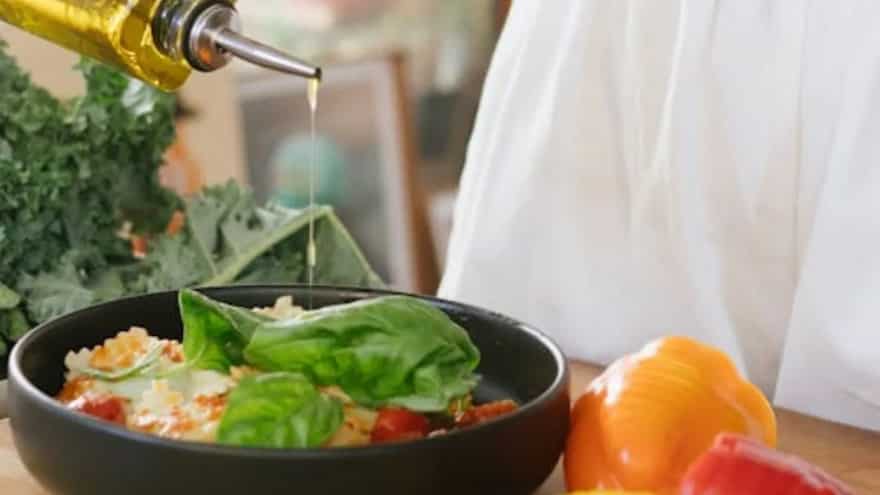
Image credit: Pexels
Decoding The Flavour Profile
Understanding olive oil requires a bit of sensory detective work. If you sip a high-quality extra virgin olive oil, you should notice three distinct characteristics: fruitiness, bitterness, and pungency. Fruitiness is the aroma. It might remind you of green tomatoes, artichokes, or even green apples. This is the first thing that hits your nose when you open a fresh bottle. Bitterness is felt on the tongue. While we often avoid bitterness in modern snacks, in olive oil, it is a sign of freshness and the presence of antioxidants.
Finally, there is pungency. This is that distinctive scratchy sensation or a peppery burn at the back of your throat. If it makes you cough, that is a good sign. It means the oil is packed with oleocanthal, a powerful anti-inflammatory compound. In the context of Indian palates, these flavours find a surprising home. The bitterness of a robust olive oil can balance the creamy richness of a dal makhani, while the peppery finish of a Tuscan oil complements the heat of black pepper used in Chettinad cuisine.
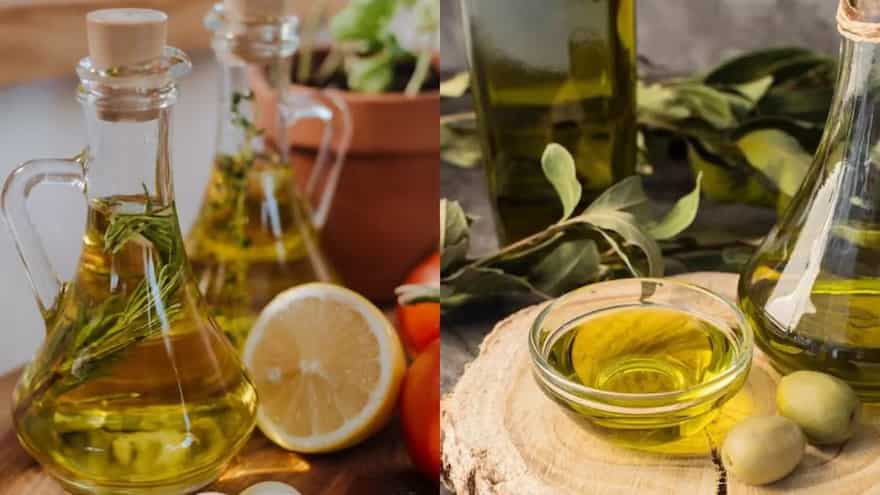
Image credit: Pexels, Freepik
How To Choose The Right Olive Oil
Walking down the Nature's Basket aisle can be overwhelming. To find an oil that offers flavour and not just fat, you must look past the pretty labels.
First, always opt for Extra Virgin Olive Oil. Terms like Light or Pomace refer to oils that have been chemically refined. These are neutral and lack the aromatic compounds we want. Second, check the bottle. Light is the enemy of olive oil. If the oil is in a clear glass bottle, the light has likely already started to oxidise the fats, turning them rancid. Look for dark green glass or tin containers.
The most important detail is the harvest date. Olive oil does not get better with age like wine. It is best consumed within twelve to eighteen months of harvest. If a bottle only shows an expiry date, it is often a sign that the producer is hiding the age of the fruit. High-quality producers will often name the specific variety of olive, such as Picual from Spain, Koroneiki from Greece, or Frantoio from Italy. Each has a different intensity, allowing you to choose a mild oil for baking or a robust one for drizzling over grilled meats.
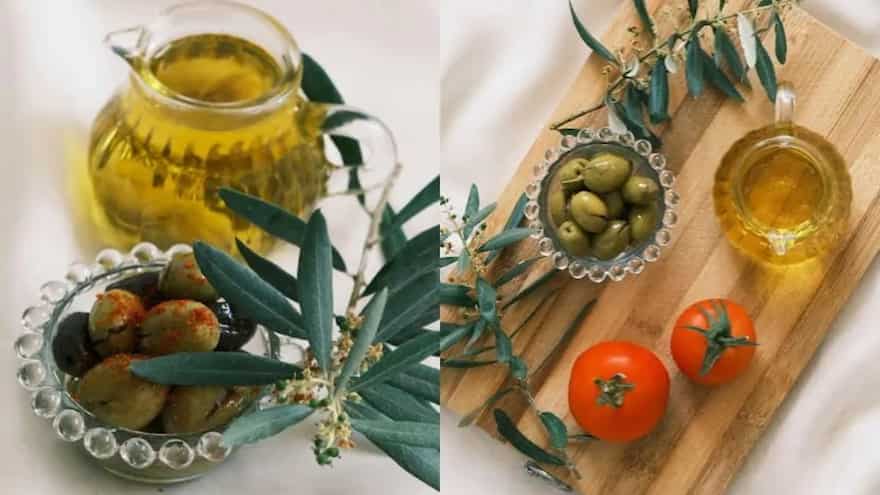
Image credit: Pexels
Four Innovative Recipe Ideas
1. The Citrus and Almond Olive Oil Cake
Most cakes rely on butter for moisture, but butter can sometimes mask the delicate aromas of fruit. Replacing butter with a high-quality, fruity olive oil results in a sponge that is incredibly moist and stays fresh for days. To make this, whisk together three large eggs with 200g of caster sugar until pale and thick. Slowly stream in 150ml of a delicate olive oil while whisking. Fold in 200g of ground almonds, 50g of flour, a teaspoon of baking powder, and the zest of two oranges. Bake at 180C for about forty minutes. The olive oil highlights the citrus notes and provides a sophisticated, slightly savoury undertone that balances the sweetness of the sugar.
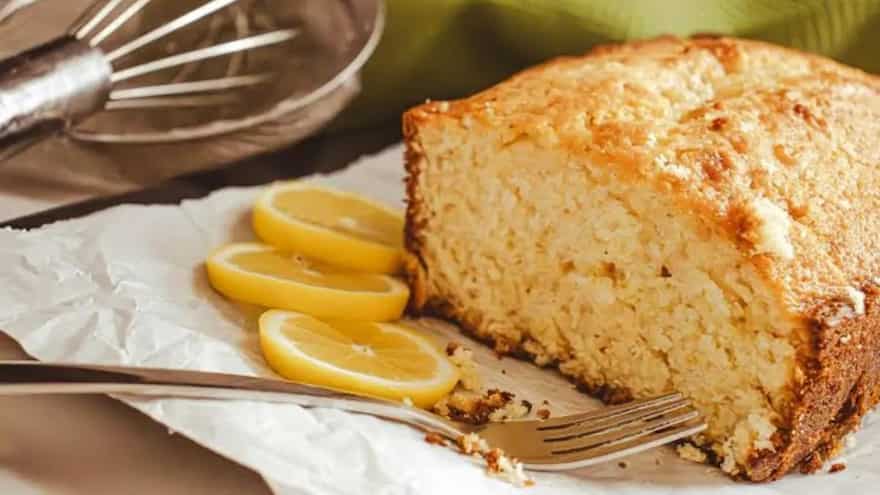
Image credit: Pexels
2. The Mediterranean Gin Sour
Using oil in a cocktail might sound strange, but a technique called fat-washing or simple emulsification can add a silky mouthfeel and a herbal complexity that simple syrups cannot match. Take 60ml of a good quality gin, 25ml of fresh lemon juice, 15ml of honey syrup, and one egg white or aquafaba for a vegan version. Add a teaspoon of a grassy, green olive oil. Shake vigorously without ice first to emulsify the oil and egg white, then add ice and shake again. Strain into a chilled glass. You will be left with a drink that has a beautiful frothy head and a subtle, savoury perfume that lingers on the palate.
3. Whipped Feta with a Pepper-Infused Drizzle
This is a perfect appetiser for an Indian dinner party, bridging the gap between a dip and a chutney. Blend 200g of feta cheese with 100g of Greek yoghurt and a squeeze of lemon until smooth. Spread it on a flat plate. In a small bowl, mix four tablespoons of a robust, peppery olive oil with half a teaspoon of toasted cumin seeds, some chopped fresh coriander, and a pinch of chilli flakes. Drizzle this generously over the cheese. The oil acts as the carrier for the spices, delivering the earthy cumin and sharp chilli directly to your taste buds while providing a luxurious texture.
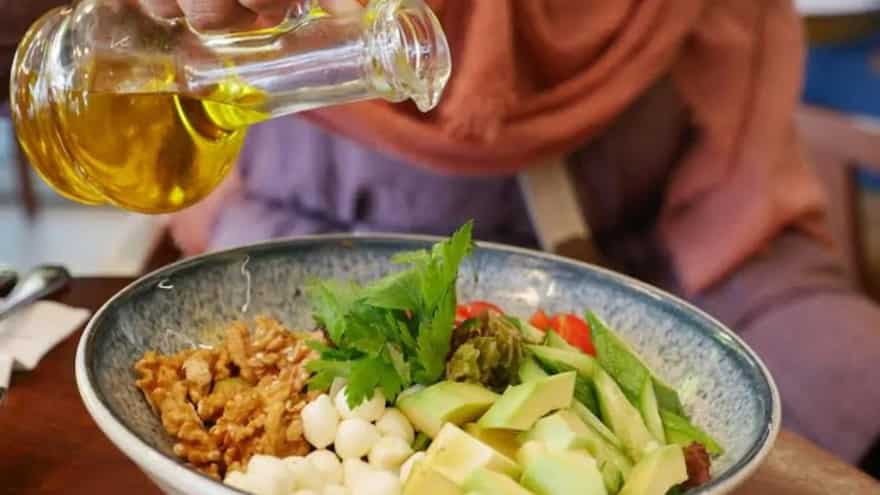
Image credit: Pexels
4. Spiced Dal with an Olive Oil Tadka
While ghee is the traditional choice for a tempering, using a high-polyphenol olive oil can offer a modern, vibrant twist. Prepare a simple yellow moong dal with turmeric and salt. For the finish, heat three tablespoons of olive oil in a small pan. Be careful not to let it smoke. Add mustard seeds, dried red chillies, and a handful of curry leaves. Just as the seeds pop, pour the hot oil over the dal. The heat releases the grassy notes of the oil, which mingle with the toasted spices to create a fragrance that is both familiar and excitingly new.
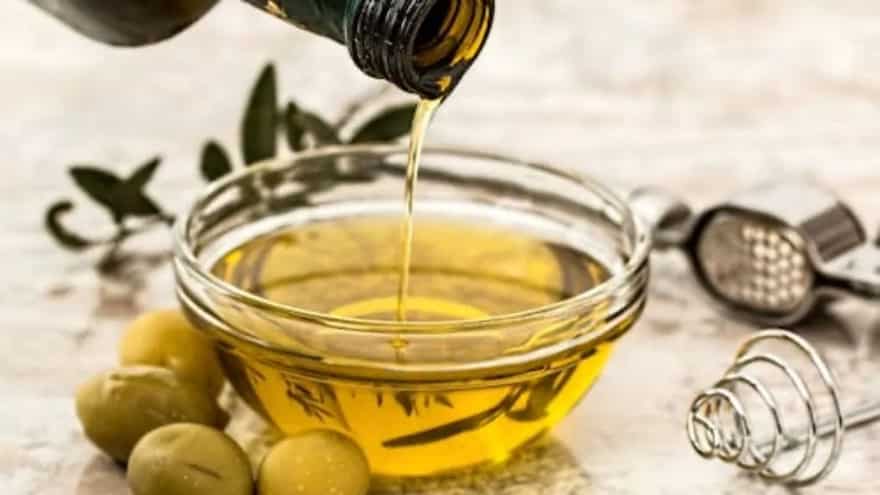
Image credit: Pexels
Pro Tips And Tricks For The Home Chef
- Store it like a vampire. Keep your olive oil in a cool, dark cupboard away from the stove. Heat from the oven or stovetop will degrade the delicate flavours within weeks. Never leave the cap off for long, as oxygen is just as damaging as light.
- The finishing touch is everything. If you are using a premium, expensive bottle of oil, do not use it for frying. Most of the aromatic compounds evaporate at high temperatures. Instead, use a cheaper olive oil for the initial cooking and save your best bottle for the final drizzle. A splash of raw oil over a hot soup or a bowl of pasta just before serving is where the flavour truly shines.
- Match intensity with intensity. Think of olive oil like wine. A light, delicate oil goes well with fish, salads, or desserts. A medium oil works beautifully with white meats or roasted vegetables. A robust, peppery oil is strong enough to stand up to red meats, spicy stews, or even a bold tomato sauce.
- Don’t be afraid of the fridge. If you want to check if your oil is high quality, put a small amount in the fridge. Real extra virgin olive oil contains monounsaturated fats that will thicken and become cloudy when cold. While not a definitive lab test, it is a good indicator that you are dealing with a natural product rather than a highly processed blend.




