


 Share
Share

Whether you live in India or are visiting, knowing when it will be dry is crucial for organising your social events and making the most of your stay while adhering to local laws and traditions. Of course, when people heard there might be no dry days in Maharashtra, the buzz spread quickly. Social media lit up, WhatsApp forwards went crazy, and what began as a fleeting rumour quickly turned into something very serious. Within hours, it became a trending topic, and everyone had an opinion, but no one knew what to believe. The buzz only became louder till the story took a new turn, and the Maharashtra government intervened to clear the air and set the record straight.
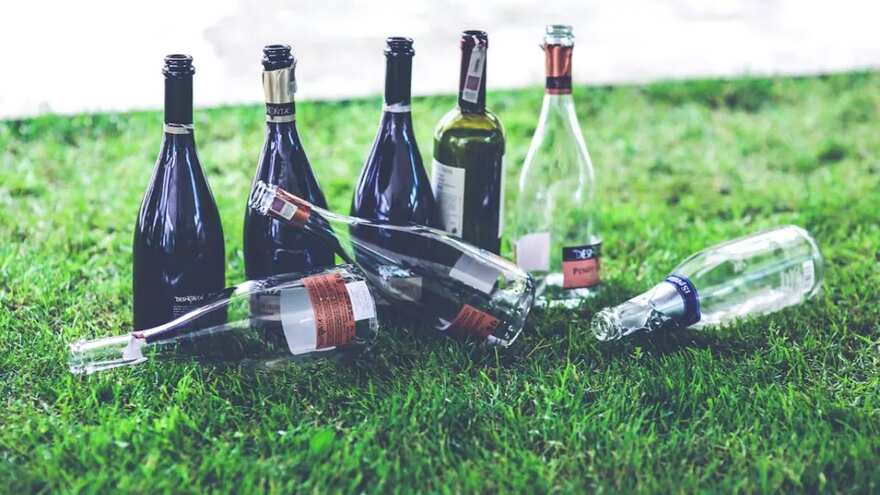
Image Credit: Pexels
It turns out that things were not as dramatic as they appeared. Dry days have not completely disappeared; there is still a framework in place for cultural, religious, and regulatory reasons. However, the misunderstanding piqued interest. So, if you've been wondering what's changed (and what hasn't), here's a clear breakdown of which days are still dry, which aren't, and why these regulations exist in the first place.
What Started The Buzz?
Multiple posts and reports that went live stated that the Maharashtra government officially wanted to “end the long-standing practice of `dry days’ in the state on festivals and public holidays like Holi, Muharram, and Gandhi Jayanti”, which helped spread the news. The excise agency has stated that booze sales limitations in Maharashtra remain unchanged to date. Previously, it was stated that the Maharashtra government had permitted licensed spirits retailers to sell alcohol on these days. According to reports, the policy was made to reduce the increase in unauthorised and counterfeit spirits sales on dry days.
Maharashtra Excise Commissioner Rajesh Deshmukh disputed claims of the state government abolishing statutory ‘dry days’ for Holi, Muharram and Gandhi Jayanti on Tuesday as ‘fake news', claiming that the current liquor policy remains unchanged. Deshmukh stated that the state will continue to enforce eight mandated dry days under the Maharashtra Prohibition Act. Except for Holi, which is observed on March 4, Maharashtra will observe dry days on March 21 (Eid ul-Fitr), March 23 (Shaheed Diwas), March 26 (Ram Navami), and March 31 (Mahavir Jayanti). Other dry days in 2026 also remain unchanged.
Image Credit: Pexels
Dry Days Throughout 2026 That Will Be Observed In Maharashtra & All Indian States
May 1 - Maharashtra Day
May 27 - Bakrid
April 3 - Good Friday
April 14 - Ambedkar Jayanti
August 15 - Independence Day
September 14 - Ganesh Chaturthi
October 2 - Gandhi Jayanti
November 8 - Diwali
November 24 - Guru Nanak Jayanti
December 25 - Christmas




