


 Share
Share

Thakali food is discovering a larger audience in Delhi-NCR, but it still sits in the shade of better-known favourites like momo and thukpa. At Jimbu Thakali in Gurugram, the focus is narrower: a menu created around the flavours of Nepal’s Thakali community, with Himalayan spices, fermented ingredients, dried meats and a variety of achar and chutneys doing much of the flavour creation.
For founder and CEO Vivek Man Sherchan, keeping that character unchanged means paying attention to where the ingredients come from as much as how they are prepared. Timur, jimbu and gundruk are sourced from Mustang, a mountainous region of Nepal, and form part of the restaurant’s attempt to bring a more distinctive taste of the country to Gurugram. That ingredient-led approach runs through the menu, from the Thakali thali and timur chicken to Sukuti Sadheko, where dried meat, spice and condiments each add something different to the plate. For diners familiar especially with momo, Jimbu Thakali offers a chance to uncover the wider taste language of Thakali cooking.
Mustang Timur Sets The Tone
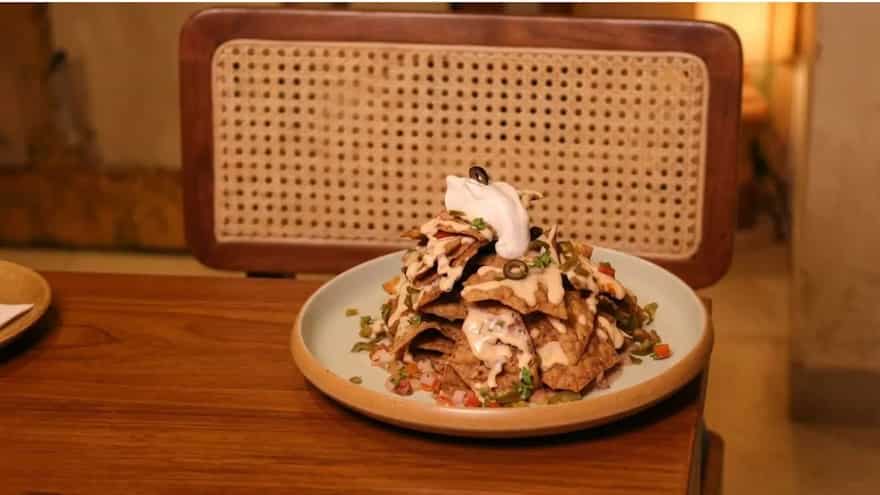
The first thing to note about the food is the way fragrant spices are being used. Timur, a Himalayan spice with citrusy notes and a distinctive tingling sensation, is extremely important to the cooking in the restaurant.
Sherchan points out that it changes the flavour more precisely. “Mustang timur is worlds apart from the local timur,” he states. “It brings out the burst on the first bite.” That burst is less about overwhelming heat and more about the fragrance that comes through when the spice is paired with meat, masala and other ingredients.
The restaurant uses timur along with what Sherchan defines as “balanced masala and Himalayan spices”, making a flavour profile that can be aromatic and punchy without making every dish taste just hot.
(Image credit: Jimbu Thakali)
The Thakali Thali Is Built Around Variety
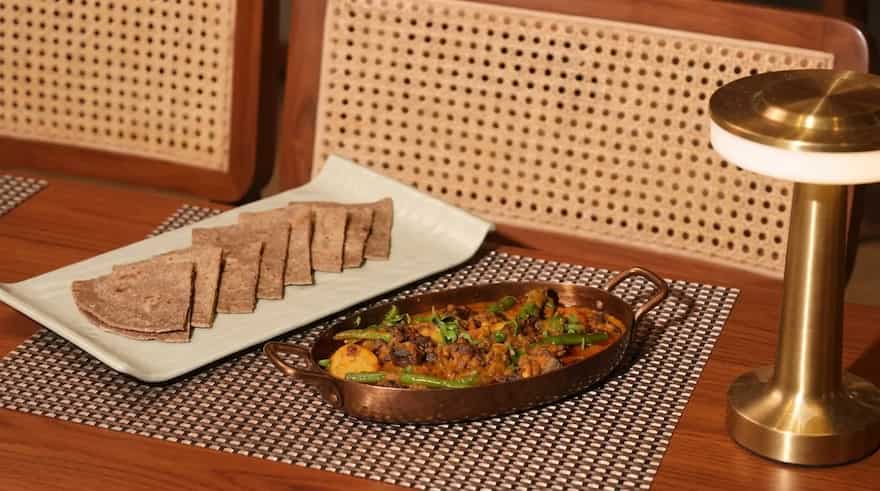
The Thakali thali adds many pieces together rather than just assembling one curry at the core of the meal. Achar and chutneys play an essential role as well, adding sour, spicy and fermented notes that you feel between the bites.
“Thakali food has balanced spices that have different achar and chutney,” mentions Sherchan. That mix gives the thali its personality. A bite of a richer preparation can taste a bit different once paired with a more intense achar, whereas fermented elements like gundruk add another layer to every bite altogether.
It is this interplay that makes the thali even more enjoyable than a plate that is just created around a single dominant flavouring. The accompaniments are not just there to fill the space; they change how the main dishes taste altogether, mention Sherchan.
Gundruk And Sukuti Bring Fermented And Dried Flavours
Gundruk is one of the more unique preparations that you can find on a menu. The fermented leafy greens add a sour, savoury quality that instantly sets them apart from the fresh vegetable sides that are generally found in Indian thalis.
Sukuti Sadheko offers a totally different texture and intensity to the overall meal. The dried meat preparation has a concentrated, savoury personality, with spices and aromatics adding a brighter punch. Kanchyamba and timmur chicken continue the exploration of the cuisine without making everything revolve around the same flavour.
For Sherchan, the distinction goes beyond the familiar dishes. “Momos are different from Himalayan momos,” he adds, pointing to the fact that Thakali food should not just be grouped under the wider Himalayan category.
(Image credit: Jimbu Thakali)
Why Sourcing Matters Here
The restaurant places significant focus on where its ingredients are sourced from. Timmur, jimbu and gundruk are brought in from Mustang, rather than just being treated as synonymous with locally available ingredients.
“Everything from the right altitude makes a difference,” Sherchan states. In a cuisine where a handful of ingredients add much of the fragrance, that difference can be evident. Jimbu, for example, has a distinctive dried-herb nature, whereas timur adds its own citrusy, tingling quality.
This ingredient-led approach also gives the menu at Jimbu Thakkali a more apparent uniqueness at a time when several Himalayan and Nepali restaurants are emerging across Delhi-NCR.
The Bhaktapur Reference Goes Beyond Decoration
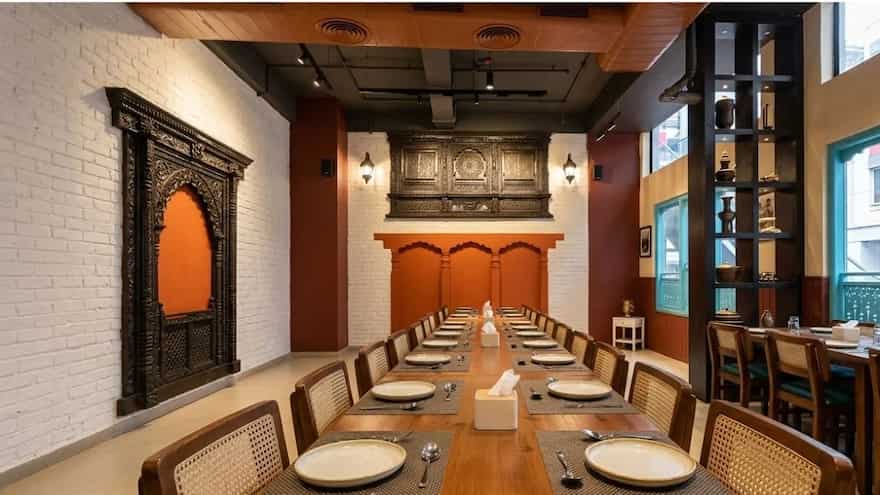
The food here is accompanied by interiors that are inspired by Bhaktapur, with Newari woodwork, brassware and thangka-inspired artwork. Jimbu Thakklai uses these elements to recreate the visual personality of old Nepal rather than giving them as antiques.
Sherchan is very specific about this difference: “The artefacts are not 200 years old. They are images.” The setting is created to suggest the architecture and visual language of Bhaktapur, whereas the food gives you a more direct connection to Nepal.
He also sees the interiors as part of how diners experience restaurants at present. “It brings out the story behind the culinary and what new you are trying to bring to this city,” he adds, especially in the context of a generation that photographs and shares its dining experiences instantly on social media.
(Image credit: Jimbu Thakali)
Nepali Flavours Are Moving Into The Drinks Menu
Jimbu Thakali has recently acquired its liquor licence and will also begin to explore Nepali-inspired cocktails. One of the drinks being introduced is the Titaura Martini, bringing the restaurant’s Nepal-focused course into its bar menu.
For Sherchan, this addition fits into the larger idea of bringing “the heritage, hospitality and authentic culinary of Nepal all under one roof.” The food, nevertheless, remains the most obvious expression of that idea.
Why Gurugram?
The choice of Gurugram comes at a time when Thakali food is already earning visibility in Delhi-NCR. Sherchan indicates that smaller Thakali restaurants are opening in areas like Mehrauli and Safdarjung, suggesting that there is already interest around the cuisine.
“But a good brand from Nepal was needed in NCR,” he mentions.
He also sees a broader cultural connection between India and Nepal as part of the reason the cuisine can travel efficiently. “Nepal and India have been known as Roti and Beti ke rishte,” he adds, saying that Indian diners have adopted Nepali food over the years, with momo being the prominent example.
His next prediction is for Thakali food to acquire similar attention: “Now I really feel Thakali thali will be the next trend in the choice of cuisine in Delhi NCR.” At Jimbu Thakali, that proposition is expressed through Mustang-sourced ingredients, fermented preparations, aromatic spices and a thali where the accompaniments are as essential as the main dishes.




