Share
Share

Navratri is the time of the year when people immerse themselves in devotion as well as discipline. Not only does the atmosphere around turn positive, but also food habits change for these nine auspicious days. Food plays a very essential role during these nine days, and many people also follow a sattvic diet, which means meals prepared without onion, garlic, or any other heavy ingredients. The whole idea is to keep the body light, the mind calm, and the spirit clean. But note that the word “sattvic” does not mean bland. In fact, these recipes are often easy, simple, comforting, and filled with flavours that bring out the natural goodness of each ingredient.
From everyday vegetables such as lauki to fasting staples such as sabudana and sama rice, there are plenty of varieties that will keep your Navratri menu exciting. These no onion, no garlic recipes are quick to prepare, gentle on the stomach, and go perfectly with the spirit of fasting, which makes the festive meals both mindful and enjoyable.
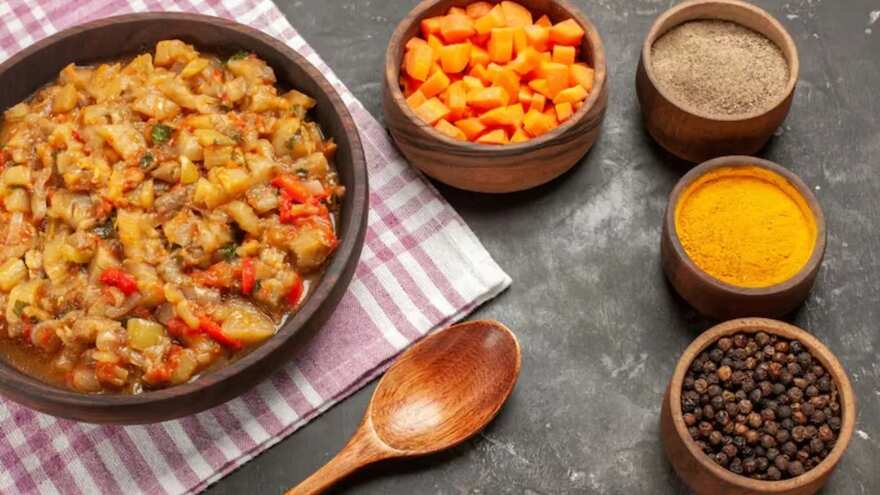
Lauki Ki Sabzi
It is a light as well as sattvic dish, that is cooked with simple spices such as cumin, green chillies, as well as a touch of ginger. Made simple, without adding onion or garlic, the natural sweetness of the bottle gourd or lauki makes it gentle on the stomach and ideal for fasting days. It pairs beautifully with rajgira rotis or plain sama rice. Not only nutritious, but it also keeps you hydrated as well as energised. It is wholesome, easy to digest, and truly aligns with the sattvic way of eating during the nine auspicious days.
Aloo Tamatar Ki Sabzi
A Navratri staple for many, this curry is both comforting and full of flavours. Cooked by boiling potatoes in a hot, tangy tomato gravy, this sabzi uses basic spices such as cumin, sendha namak, as well as green chillies. As it has no content of onion or garlic, this dish is of a sattvic nature, while the vibrant flavours make it a go-to food during the fasting period. It is best enjoyed with kuttu or singhare ki puri. This sabzi is quick to make, filling, and adds a touch of festivity to your vrat meals.
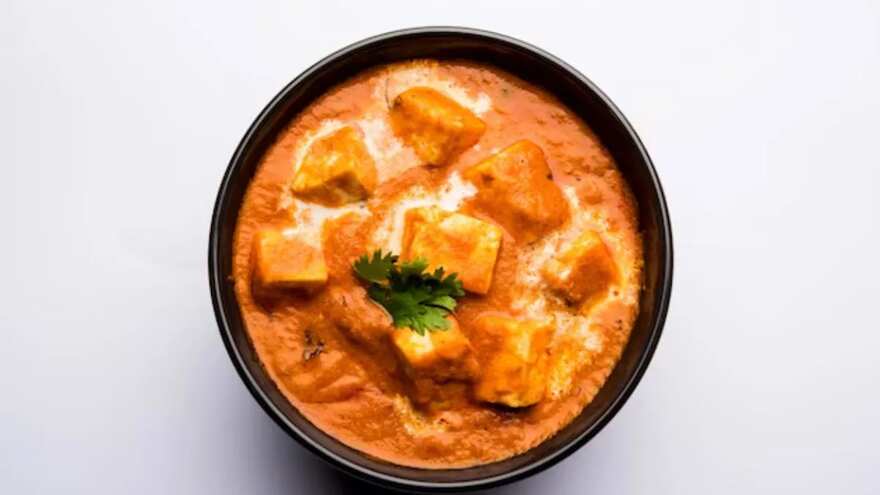
Paneer Makhana Curry
It is a rich as well as sattvic curry that is packed with protein. Paneer makahna is prepared with crunchy, roasted makhana (fox nuts) and paneer cooked in a smooth tomato and yoghurt base. With no use of onion or garlic, the curry is based on mild spices such as umami, coriander, as well as a little ginger for enhancing the flavour. The result you get is a creamy, wholesome dish that blends beautifully with sama rice or even parathas made from vrat flours. It’s nourishing, creamy, and perfect when you want to have something festive but still have to follow the Navratri fasting traditions.
Sama Rice Khichdi
Best for fasting days, sama rice or barnyard millet khichdi is light on the stomach, filling, and can be prepared in minutes. Prepared with just a few ingredients such as sama rice, potatoes, green chillies, and mild spices, it is a complete meal in itself. The texture of this khichdi is soft, similar to traditional rice khichdi. Loaded with energy and easy to digest, it is a go-to food choice when you want to have something healthy without being too heavy. You can also pair it up with curd or plain yoghurt for a complete vrat-friendly meal.
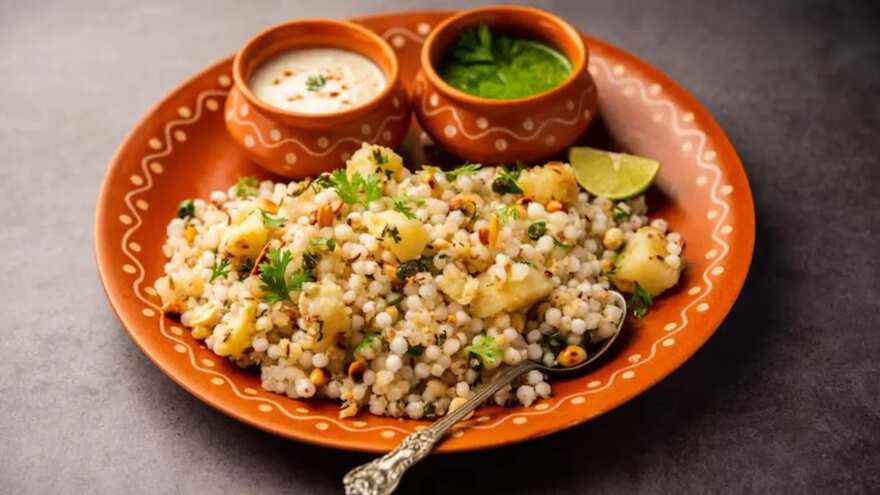
Sabudana Khichdi
Sabudana khichdi is one of the most popular and go-to vrat recipes for many. Prepared by soaking tapioca pearls, peanuts, mild spices and sautéed with green chillies, cumin, and curry leaves for enhancing the flavour. The roasted peanuts add an extra crunch and protein, whereas sabudana delivers instant energy, which is perfect for fasting days. Light on the stomach and very satisfying, this dish is best enjoyed with a bowl of curd or plain yoghurt, which makes it a festive favourite across many Indian homes.