Share
Share

Navratri is a time to indulge in devotion and celebration, and also a chance to reset the eating habits with wholesome, sattvic meals. Traditionally, grains such as rice and wheat are avoided by people who keep fast during Navratri. So, to this option, millets make a wonderful choice. Light, nutrient-rich, and easy on the stomach, millets such as barnyard, foxtail, kodo, and little millet can be used to prepare a large variety of vrat-friendly dishes.
Millets are naturally gluten-free, loaded with fibre, and help in maintaining energy levels throughout the fasting day. From comforting one-pot meals to festive sweets and snacks, millet-based recipes deliver variety to the fasting table. Adding these into your Navratri diet ensures you enjoy food that is scrumptious, filling, and aligns with the spirit of the festival.
Barnyard Millet Khichdi (Samak Khichdi)
Barnyard millet, also called samak ke chawal, is a Navratri staple that most people who observe fast like to eat. Cooked with samak rice or just mild spices such as cumin, ginger, or green chillies, samak khichdi is light on the stomach, easy to digest, and fulfilling. Paired with curd or a bowl of vrat-friendly sabzi, it makes a satisfying one-pot meal. Loaded with nutrients such as fibre and iron, it helps in sustaining energy throughout the fasting day without feeling low on energy.
Little Millet Pongal
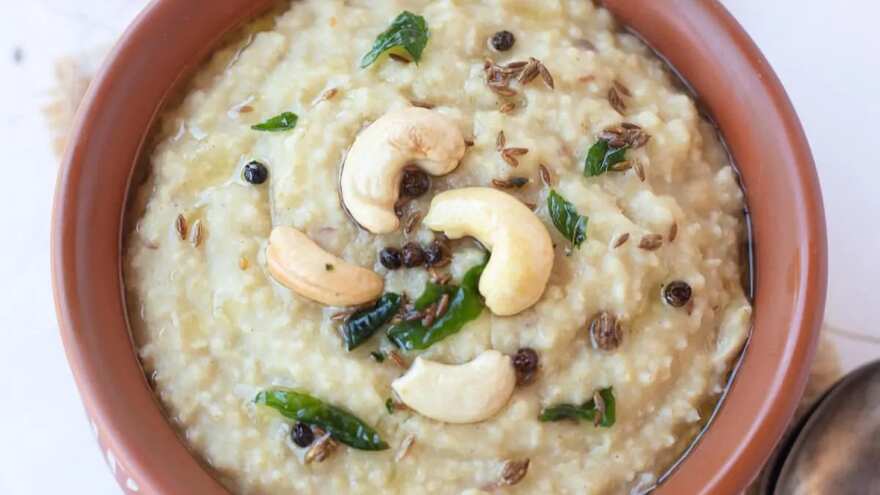
Rather than the regular rice-based version, pongal prepared from little millet is a great vrat-friendly dinner option. Seasoned with black pepper, cumin, curry leaves, and a dash of ghee, this dish is both enjoyable and nutritious. The nutty flavour of little millet blends beautifully with the warmth of spices, which makes it satisfying while still being sattvic. Served with coconut chutney or plain curd, millet pongal is loaded with protein and easy to digest, keeping you full for a long duration in Navratri.
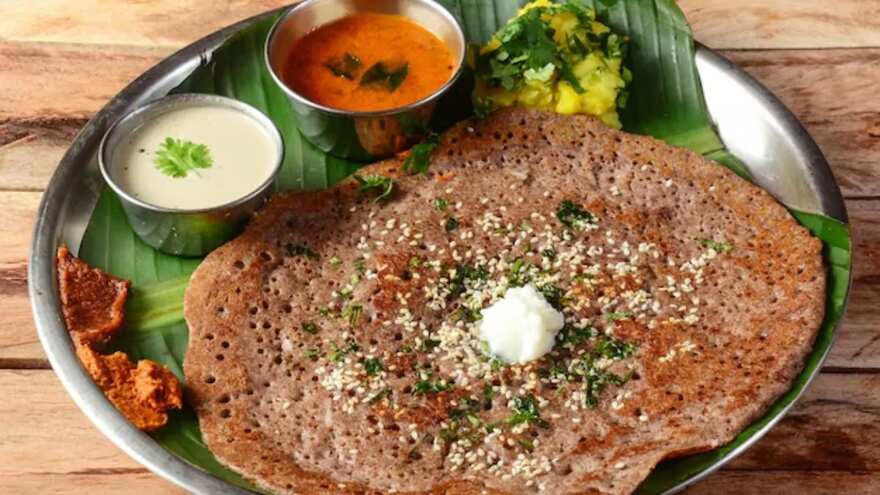
Foxtail Millet Dosa
Dosas prepared with foxtail millet batter are a crunchy, nutritional twist to the traditional vrat meals. The batter is prepared by soaking millet with a little sabudana and mixing it to make a smooth batter, which is left for fermentation. After the batter gets fermented, the result is thin, crisp dosas that taste fantastic with vrat chutneys such as peanut or coconut. You can enjoy the classic millet dosa while staying fasting-friendly. Millet adds essential minerals and fibre, which makes this dosa light but nourishing.
Kodo Millet Kheer
Talk of festivals, and kheer is a must-have. Instead of regular rice, you can use kodo millets to make wholesome vrat kheer. The millet is slowly boiled in milk until it gets a creamy, thick texture, then flavoured with cardamom, saffron, and a light sprinkle of jaggery or sugar. Garnished with nuts as well as raisins, this kheer gives all the festive while being healthy. The millet’s texture replaces rice beautifully, delivering a comforting and festive dessert. Millet kheer is a great sweet dish to round off after a Navratri meal.
Porso Millet Cutlets
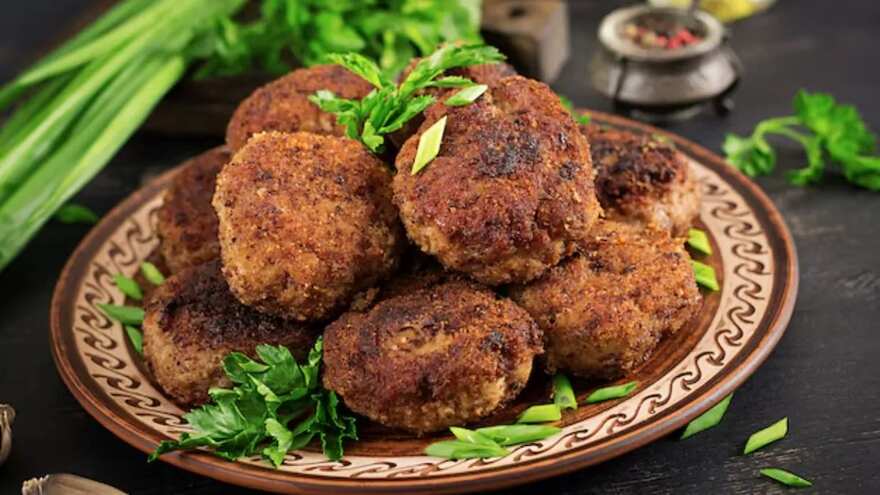
If you want to enjoy snacks during Navratri fasting, posro millet cutlets are excellent. To prepare this cutlet, millet is mixed with boiled potatoes, grated carrots, green chillies, and vrat-friendly spices and then shaped into patties and pan-fried with little ghee. Crispy on the outside and soft on the inside, these cutlets are wholesome and fun to eat. Served with green chutney or vrat dips, millet cutlets make a great evening snack during Navratri. Millett delivers energy and protein, making sure you stay full while feasting on something different from the usual fasting dishes.