


 Share
Share

The second day of Navratri is devoted to Goddess Brahmacharini, the form of Maa Durga who represents penance, self-control, and unwavering faith. She is described as walking barefoot with a rosary in one hand and a kamandalu in the other, embodying a life of simplicity and spiritual strength. Worship on this day is considered especially powerful for those seeking resilience, peace of mind, and clarity in their lives. The offerings prepared for the goddess are chosen with care, and tradition associates jaggery and fruits as the most suitable bhog. Jaggery is valued for its natural sweetness and purity, while fruits represent freshness and nourishment. Families prepare these offerings with devotion, placing them before the deity and later sharing them as prasad.
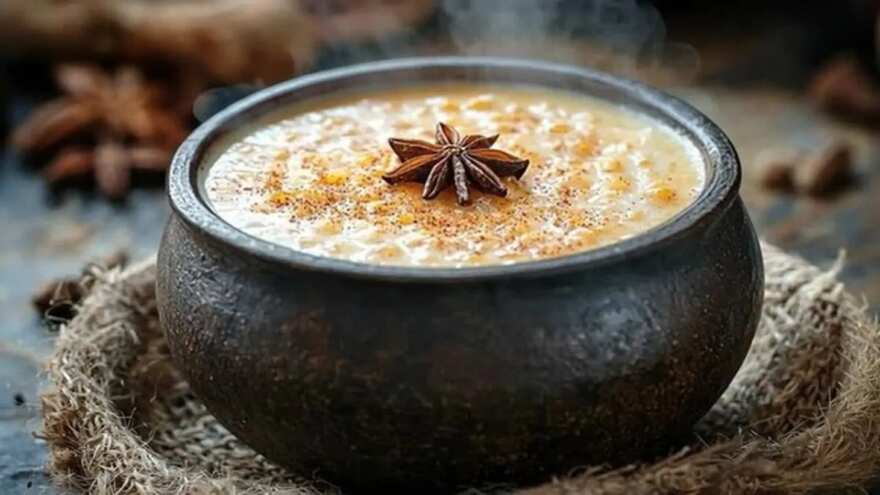
The Devotional Significance Of Goddess Brahmacharini
Goddess Brahmacharini symbolises austerity and steadfastness. According to tradition, she undertook years of penance to win Lord Shiva as her consort, sustaining herself only on simple foods like fruits and leaves. This form of the goddess inspires her devotees to practise patience, endurance, and self-discipline. Worship on the second day of Navratri is linked with strengthening willpower and bringing stability to relationships and family life. Her name itself is derived from “Brahma” meaning penance and “Charini” meaning one who practises it, underlining her association with discipline and restraint. The simplicity of her bhog, based on jaggery and fruits, reflects her life of tapasya and devotion.
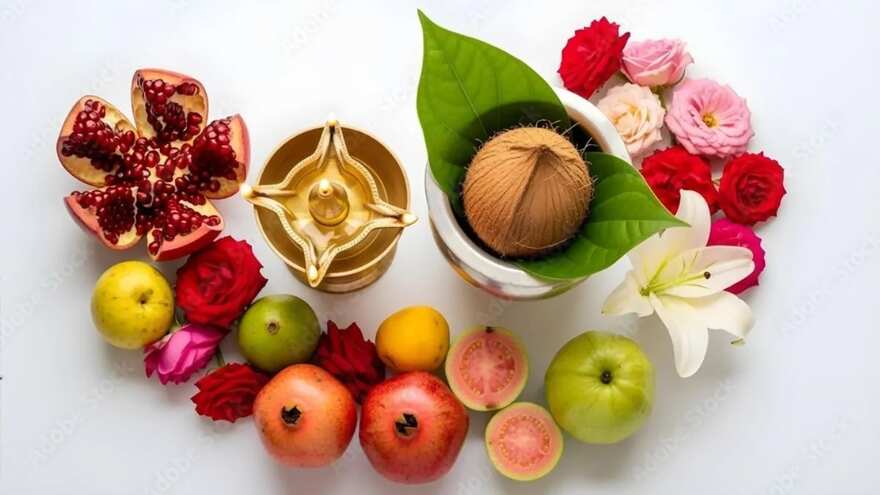
Why Jaggery Holds A Sacred Place In The Bhog
Jaggery is deeply rooted in Indian ritual practice, and during Navratri it becomes the centre of the Day 2 offering. It is regarded as a pure sweetener that pleases the goddess and symbolises sincerity in devotion. Beyond its spiritual meaning, jaggery is also rich in minerals and iron, making it a natural source of energy for those observing fasts. During the puja, devotees often place small pieces of jaggery on the altar or prepare simple sweets such as laddoos or kheer. Using jaggery instead of refined sugar reflects the preference for wholesome and sattvic foods in rituals, as they are considered more appropriate for sacred offerings.
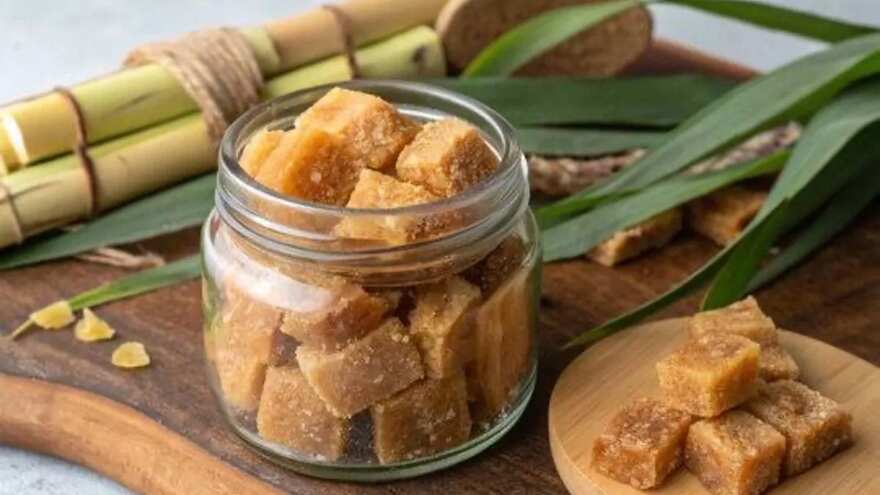
Fruits as Symbols Of Purity And Nourishment
Fruits are considered among the most sattvic of foods and are therefore a common part of Navratri bhog. Their freshness, natural sweetness, and purity make them fitting for devotional purposes. On Day 2, devotees usually prepare a plate of seasonal fruits such as bananas, apples, papayas, and pomegranates to present before the goddess. Each fruit has its own symbolic meaning, with bananas linked to stability, apples to health, and pomegranates to abundance. Fruits are also practical for fasting, offering hydration, vitamins, and fibre while being light on the stomach. Once offered, they are shared as prasad, ensuring both symbolic and nutritional value.
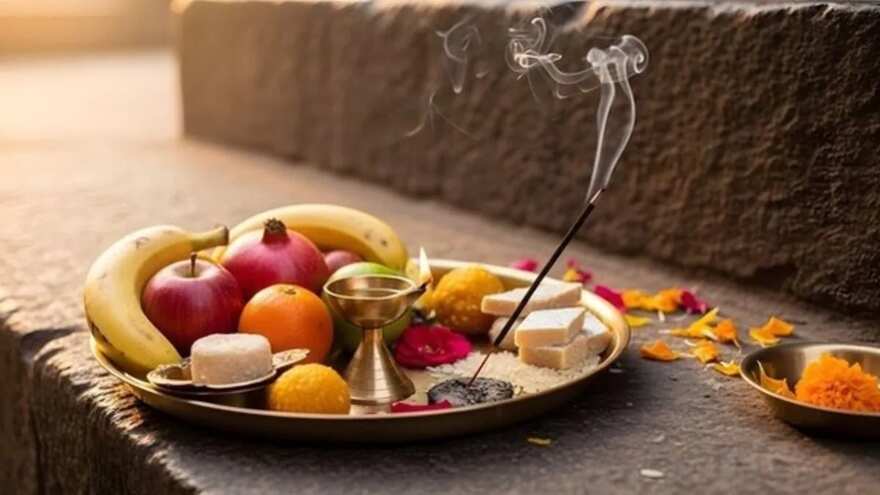
Traditional Dishes Prepared With Jaggery And Fruits
The offerings for Day 2 are often simple recipes made with jaggery and fruits that follow fasting guidelines. Jaggery kheer made with milk, rice, and grated jaggery is a traditional favourite. Families also prepare laddoos with jaggery and coconut or sesame, which are easy to make and portion for bhog. Fruit salads drizzled with honey and lightly flavoured with cardamom are another common choice. In some households, jaggery and banana halwa is prepared, which combines the natural sweetness of fruit with the richness of jaggery. These dishes are designed to be light, digestible, and nourishing while carrying the auspicious sweetness that is central to Navratri offerings.




