


 Share
Share

Navratri begins with the worship of Maa Shailputri, the first among the nine forms of the goddess Durga. Her name means “daughter of the mountain,” and she represents strength, devotion, and stability. She is depicted riding Nandi, holding a lotus in one hand and a trident in the other, and her presence marks the beginning of the nine nights of prayer and celebration. Each day of Navratri is associated with a particular colour that guides the rituals and offerings, and the colour for Day 1 is white. White represents purity, peace, and calmness, and foods of this colour are prepared and offered as bhog to the goddess. The tradition of associating colours with each day has become widely observed across India, and it adds both symbolic depth and cultural meaning to the festival.
The Significance Of White Foods For Day 1
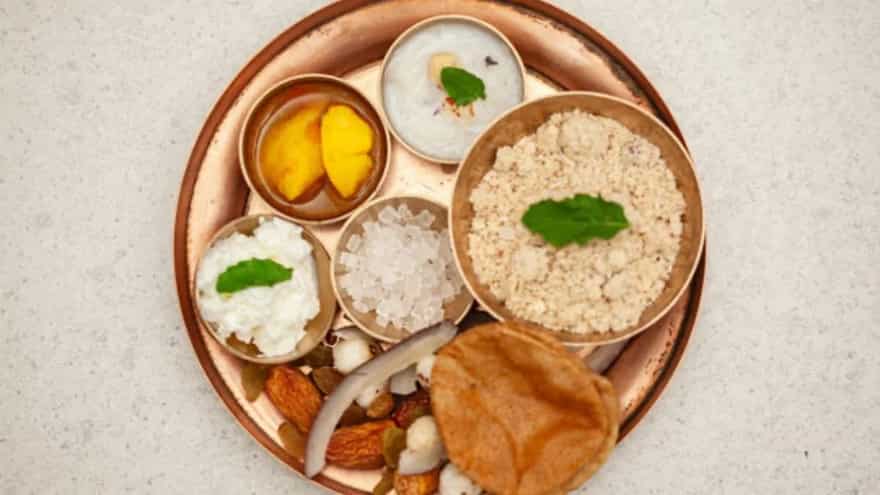
Offering white foods to Maa Shailputri is considered auspicious because the colour reflects serenity and devotion. Devotees believe that white-coloured bhog pleases the goddess and invites her blessings of peace, prosperity, and health. The choice of white foods is not arbitrary but follows fasting traditions that avoid grains, onion, garlic, and processed items. Instead, sattvic ingredients such as milk, curd, makhana, coconut, and sabudana are used to prepare the bhog. These foods align with the discipline of fasting while also representing purity, which is central to the worship of Maa Shailputri.
Traditional White Foods Offered As Bhog
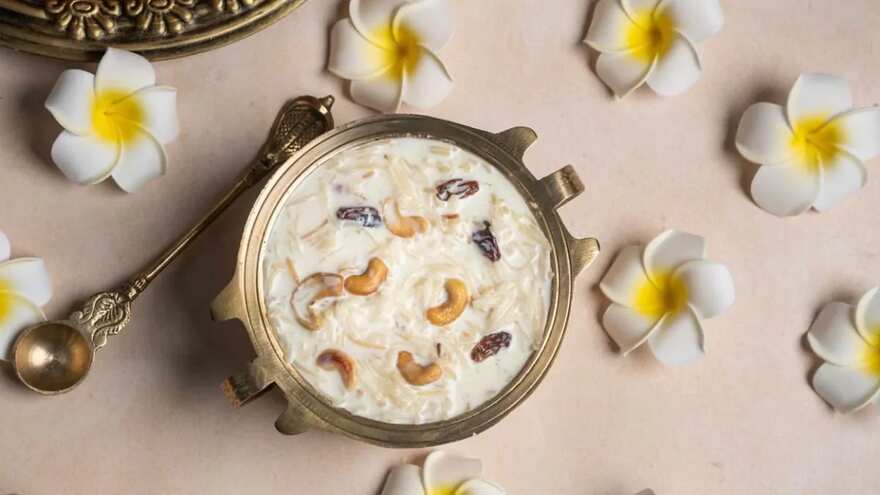
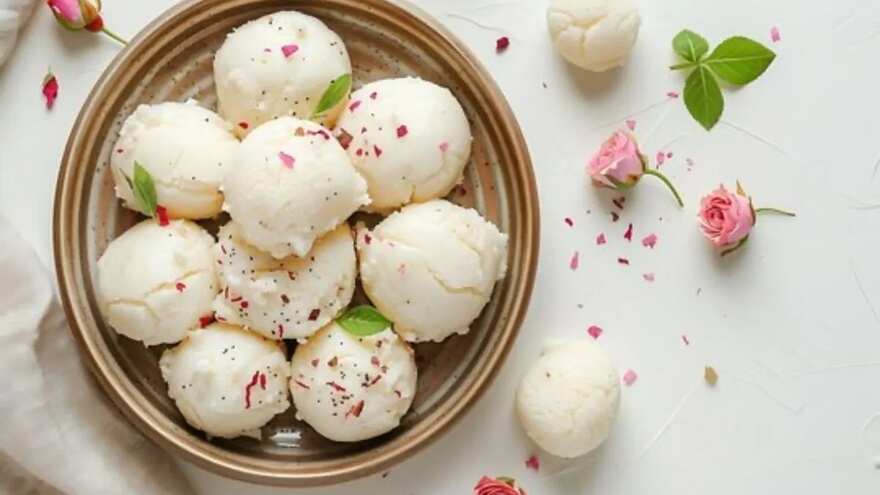
Across India, households prepare simple white foods that are both fasting-friendly and symbolic. Sabudana kheer is one of the most popular offerings, made with milk, sugar, and tapioca pearls, and its pale, creamy colour matches the theme of the day. Makhana roasted in ghee or used in kheer is another common preparation, valued for its lightness and purity. Fresh milk and curd are frequently placed on the altar as offerings, reflecting clarity and nourishment. Coconut, whether grated or prepared into ladoos, also forms part of the bhog in many households. Seasonal fruits with a white interior, such as guava or custard apple, may also be chosen, adding freshness while maintaining the symbolic colour.
Regional Variations In White Bhog
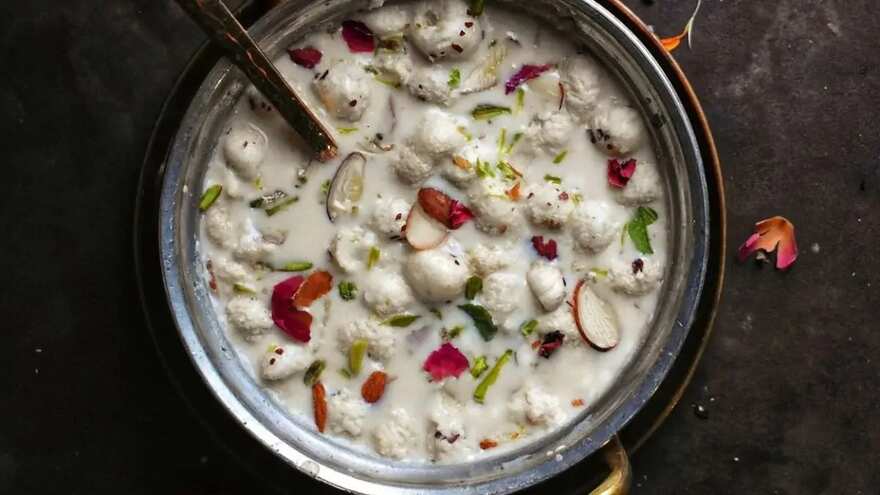
Different regions interpret the white bhog offerings in their own ways, but the symbolism remains consistent. In North India, sabudana kheer and milk-based sweets such as rabri or phirni are common choices. In Gujarat, devotees often prepare fruit platters with banana, guava, and coconut as the centrepiece of the bhog. In Maharashtra, dishes like sabudana khichdi may be kept plain and light in colour to reflect the day’s significance. In Bengal, where Durga Puja coincides with Navratri, the emphasis remains on fruits and milk-based offerings, though the cultural style of presentation differs. Despite these regional differences, the devotion expressed through white-coloured foods creates a sense of unity across traditions.
Preparing White Bhog With Devotion
The preparation of the bhog is considered as important as the offering itself. Devotees cook in clean vessels, often reserving them exclusively for puja during the nine days. The foods are kept simple, using rock salt instead of common salt and avoiding heavy seasoning. White flowers such as jasmine or tuberose are often placed alongside the bhog to enhance the sanctity of the altar. The offering is placed before the goddess during the puja rituals, accompanied by chants and aarti. Once the rituals conclude, the food is shared as prasad among family members and guests, carrying the blessings of Maa Shailputri.
Navratri 2025 Day 1 And Its Broader Meaning
The emphasis on white foods on Day 1 does more than establish a ritual for the festival’s beginning. It sets the tone for purity and discipline, reminding devotees to approach the nine nights with calmness and faith. By offering sattvic, fasting-friendly white foods such as milk, coconut, sabudana, and makhana, families align their traditions with the symbolism of the goddess and invite blessings for the days ahead. This practice, while simple in form, carries a depth of meaning that connects spiritual devotion with daily life.




