


 Share
Share

If you enjoy South Indian snacks during tea time, you’ve likely come across Mysore bonda and goli bajji. Both are round, golden, and deep-fried, which often makes people think they are the same. But they’re not. While Mysore bonda is crisp on the outside and soft inside, goli bajji feels more airy and light. The ingredients, taste, and the way they are served also vary. Though both pairs well with coconut chutney, the batter used in each one has a different base. This guide breaks down the key differences so that you can identify and better appreciate them next time.
Video Credits: Hebbars Kitchen/ YouTube
Mysore Bonda
Mysore bonda is a popular teatime snack from Karnataka, especially in the Mysuru region. The main ingredient is maida (all-purpose flour), mixed with a little rice flour, curd, green chillies, ginger, and black pepper. The curd helps ferment the batter slightly, which gives the bonda a soft but dense bite. It’s shaped by hand and deep-fried until golden. The crust is usually crisp while the inside stays moist and spongy. Mysore bonda is typically served hot with coconut chutney or a spicy ginger chutney. It’s heavier than goli bajji and feels more filling, which is why many eat it for breakfast as well.
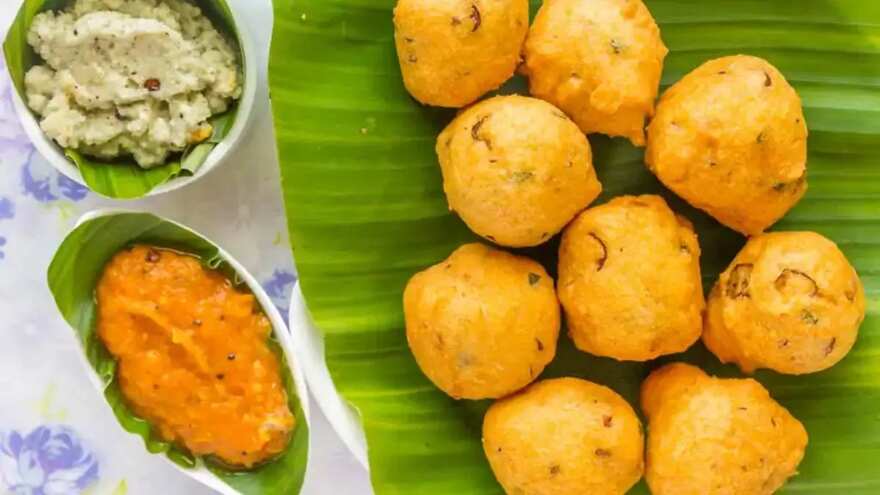
Image Credits: Freepik
Goli Baji
Goli bajji, also known as Mangalore bajji, is a soft, puffed snack mostly eaten in coastal Karnataka. Unlike Mysore bonda, its batter is whipped up with maida, curd, sugar, and sometimes a pinch of baking soda. This gives it a mild, sweet taste and a very fluffy texture. The batter is thicker and smoother, and is left to rest so that it becomes airy. Goli bajji puffs up while frying, creating a hollow, light centre. It is usually served as an evening snack with coconut chutney. Some versions also add grated coconut, jeera, or curry leaves for extra flavour.
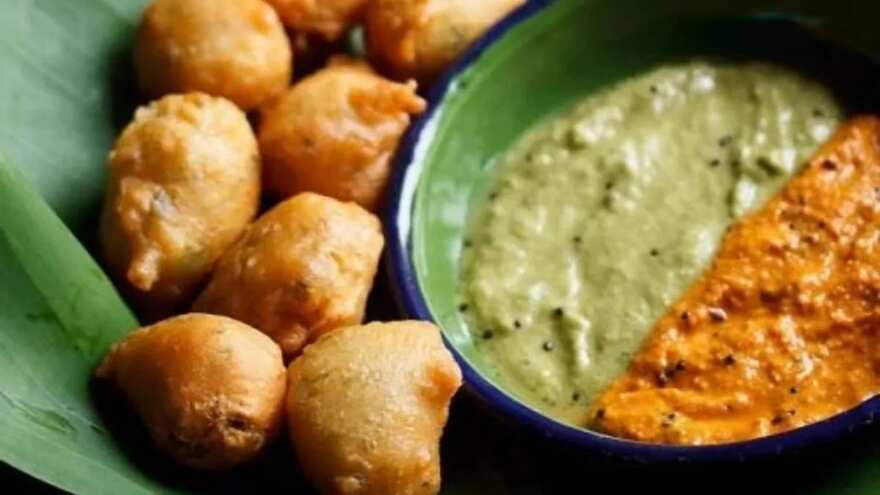
Image Credits: Wikimedia Commons
Texture
The main factor that sets them apart is their texture. Mysore bonda feels more dense and slightly chewy inside, while the outer layer is crisp. It holds its shape firmly and doesn’t feel too light. In contrast, Goli Bajji is softer, puffier, and lighter to bite. When you press, it feels airy and sometimes slightly hollow inside. The outer layer of goli bajji is not as crispy as Mysore bonda, but is more tender. If you're looking for something that feels heavy and crunchy, Bonda works better. For a lighter snack, goli bajji is a good choice.
Taste
Another aspect that differentiates them is their taste. Mysore bonda has a mildly spicy and savoury taste. You can taste the heat from green chillies and the warmth of ginger and black pepper. The curd adds a slight tang, balancing the flavours well. Goli bajji, on the other hand, leans towards a slightly sweet and mellow flavour. It doesn't use strong spices, so it feels gentler on the palate. Sometimes, you may notice a subtle taste of sugar or even coconut if it’s added. While bonda is made for those who enjoy strong and spicy flavours, goli bajji is a comforting, mildly sweet snack that suits all age groups.
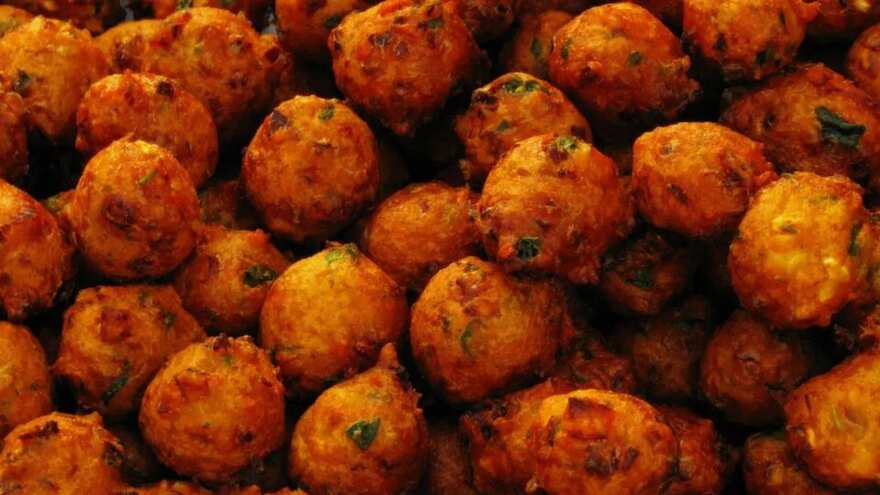
Image Credits: Wikimedia Commons
Serving
Both these snacks are best served hot, fresh from the frying pan. Mysore bonda is usually served with coconut chutney or a spicy chutney made from ginger and red chillies. In some places, it’s even paired with sambar. It’s commonly eaten as breakfast or evening tiffin. Goli bajji is more of a tea-time snack and is served with watery coconut chutney, especially in Udupi-style cafes. It is not paired with sambar. Goli bajji is also served in smaller portions, often as a side snack during get-togethers or small functions. Both are deeply loved but served differently depending on the region and time.




