


 Share
Share

There are certain cooking tips and tricks that can be picked up simply by watching mothers as they cook. This kind of knowledge cannot be fully learned from cookbooks or cooking shows. It is gained through gestures, habits, and quiet observations, passed down not through instructions, but through repetition. In many homes, especially in India, the kitchen has long been a space where learning happens without formal teaching. One watches, assists, and eventually understands recipes and small techniques that add a unique taste, often one that only a mother can recreate perfectly.
These are not elaborate recipes or complex techniques, but everyday instincts that shape how food is cooked, tasted, and understood. With Mother’s Day 2026 approaching, these small, almost invisible lessons stand out even more.
(Image Credit: Pexels)
Knowing Without Measuring
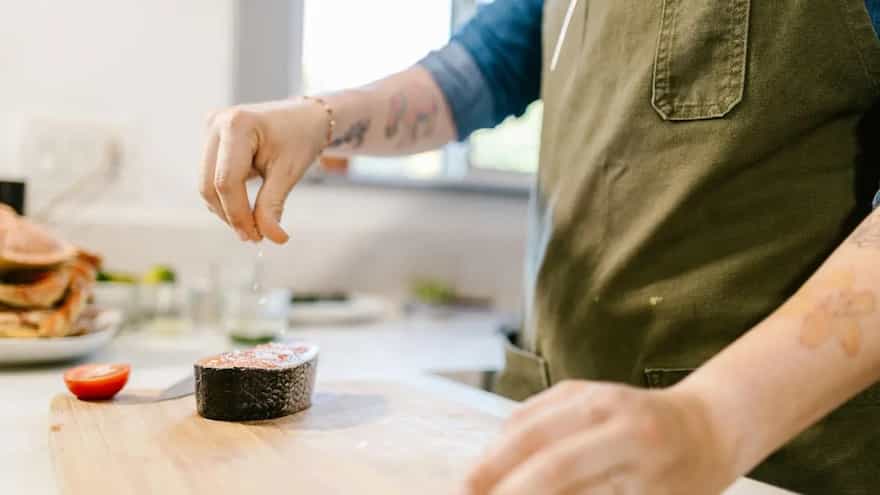
This is perhaps the most recognisable habit: cooking without precise measurements. A pinch of salt, a handful of coriander, or a quick adjustment of spices mid-way; all of these habits are guided by intuition rather than a fixed formula. What seems like guesswork is actually the result of years of repetition. The hand begins to understand proportion, the eyes learn to judge quantity, and the palate remembers balance. These intuitions allow flexibility, making it easier to adapt dishes depending on available ingredients or the number of people being served.
Reading Heat Without Tools
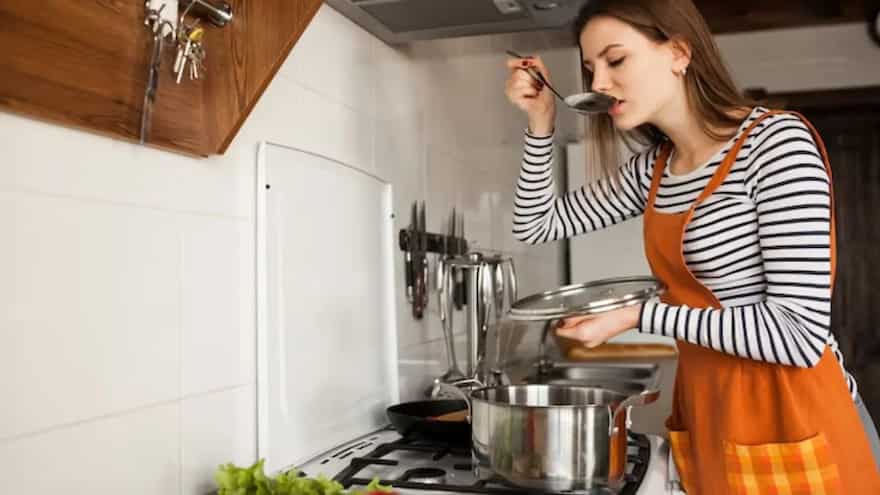
Before modern appliances became common, cooking relied heavily on instinct. Mothers seemed to know exactly when the oil was hot enough, when to lower the flame, or when a dish needed just a few more minutes. These decisions are guided by subtle sensory cues like the shimmer of oil, the sound of ingredients hitting the pan, or the change in aroma as spices cook. This is a skill developed over time, and once learned, it becomes second nature, reducing the need for timers or precise settings.
The Art Of Making Do
One of the most practical lessons passed down through generations is the ability to adapt. If a key ingredient is missing, there is always a workaround. Tomatoes can be substituted, spices can be adjusted, and dishes can evolve based on what is available in the kitchen. This habit comes from years of cooking in environments where ingredients were limited, and creativity was essential.
(Image Credit: Freepik)
Cooking With All The Senses
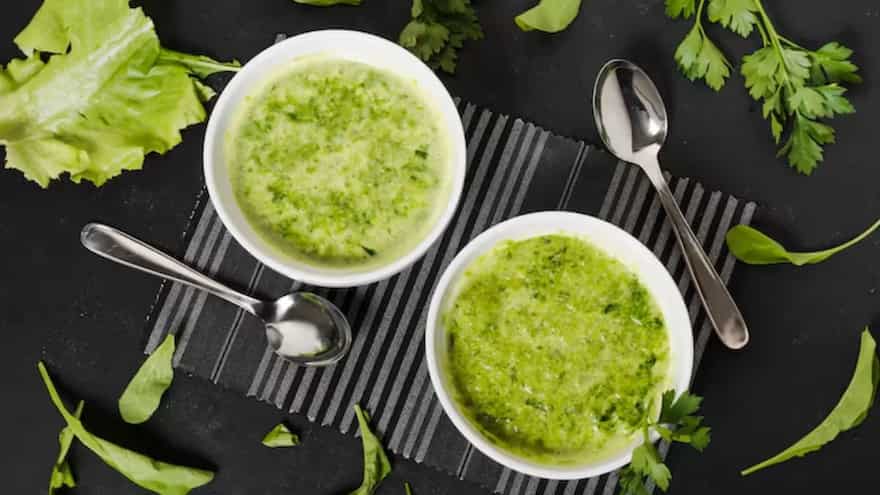
Cooking, in its most traditional form, is a sensory experience. The crackle of mustard seeds signals the right temperature, the aroma of spices indicates when they are perfectly roasted, and the texture of dough reveals whether it needs more water. These cues are rarely written down, yet they are crucial to getting a dish right. Observing mothers cook often highlights how deeply they rely on these senses, transforming what could be a mechanical process into something intuitive and engaging.
(Image Credit: Freepik)
Minimising Waste, Maximising Flavour
Another lesson that often goes unnoticed is the emphasis on reducing waste. Long before sustainability became a global conversation, it was naturally practised in home kitchens. Leftover vegetables were turned into parathas, peels became chutneys, and leftover rotis were repurposed into snacks or breakfast dishes. These methods not only reduced food waste but also encouraged creativity, resulting in resourceful and flavourful meals.
These unsaid kitchen tips are very simple, but they form the backbone of everyday cooking. They shape how food is approached, making the process more intuitive, adaptable, and mindful. Unlike recipes that can be forgotten or replaced, these lessons stay on, influencing every dish that is prepared.
This Mother’s Day 2026, while celebrations may centre around elaborate meals and favourite recipes, it is equally important to acknowledge these smaller inheritances. What is carried forward is not just the food itself, but the way it is made; with patience, instinct, and an understanding that goes far beyond written instructions.




