


 Share
Share

Indian festivals are often incomplete without a spread of colourful and indulgent sweets. Most traditional mithai recipes include ingredients such as sugar, ghee, and refined flour or maida. While these elements give mithai their rich texture and taste, many people now prefer sweets made without maida. This is especially true during festive seasons when sweets are eaten in large quantities or shared widely with friends and family. Avoiding maida not only helps with digestion but also makes these festive treats a little lighter. Across different regions in India, home cooks and sweetmakers have found creative ways to use flours like besan, atta, and millets instead. This has helped preserve the flavour and texture of mithai while moving away from refined ingredients.
Besan-Based Sweets: Protein-Rich Variants That Deliver On Taste
Besan, or gram flour, has always played a major role in Indian sweets. Many mithai recipes made with besan never included maida in the first place. This makes them naturally suited for those who wish to avoid refined flour. One popular example is besan laddoo. These are prepared by slowly roasting gram flour in ghee until it turns golden and aromatic, then mixing it with sugar and shaping it into small round balls. This sweet is usually made during Diwali or Ganesh Chaturthi in many North Indian homes.
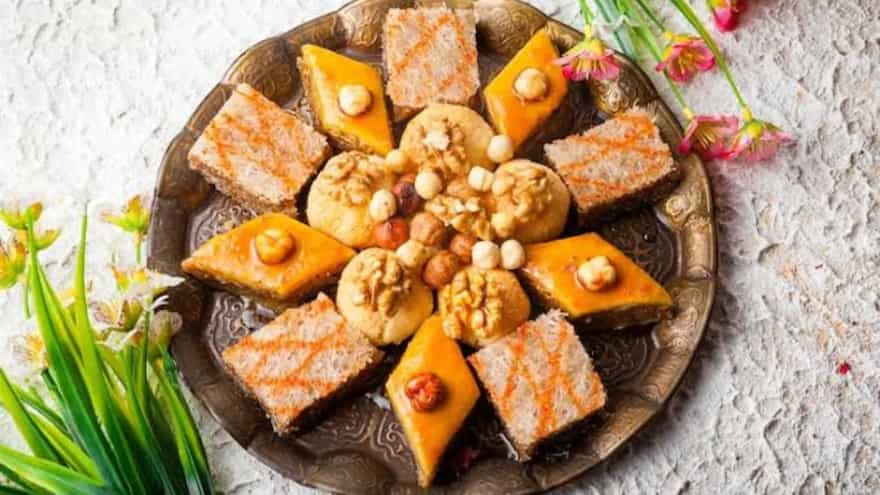
Another well-known mithai is mysore pak, which is also made with gram flour. Although the original version contains large amounts of ghee and sugar, some home cooks reduce the fat content while keeping the structure intact. Besan burfi is another easy sweet that uses the same ingredients but is set in a tray and cut into squares. These sweets are rich but do not require any maida at all. The roasting process gives them depth, while the sugar provides structure without relying on refined flour.
Atta Sweets: Whole Wheat Options For Your Sweet Tooth
Whole wheat flour or atta is another excellent alternative to maida in Indian mithai. One of the simplest sweets made with atta is atta halwa. This dish is made by cooking wheat flour in ghee and adding sugar and water to form a smooth and glossy halwa. It is often offered during pujas or served as prasad in North Indian households. The flour adds a nutty flavour and thickens the mixture without needing any additional binder.

Another sweet that uses wheat flour is pinni, a Punjabi treat made during winter festivals like Lohri. It combines atta with ghee, jaggery, and dry fruits, and is shaped into round balls. Pinni is rich, filling, and packed with energy. In Western India, some homes prepare gond laddoo with wheat flour and edible gum, again avoiding maida. These sweets are firm and hearty, offering comfort as well as flavour. Using atta in place of maida in festive sweets makes them more fibrous and wholesome without changing their essential identity.
Millet Mithai: Ancient Grains For Timeless Sweets
As millets return to everyday Indian cooking, many people have started using these grains to prepare sweets for festivals. Millets such as ragi, bajra, and jowar were once widely consumed across rural India and are now being used again in new forms. Ragi laddoo is one such example. This sweet is made by roasting finger millet flour in ghee and mixing it with jaggery or sugar. It can be flavoured with cardamom and often includes chopped nuts for added crunch.
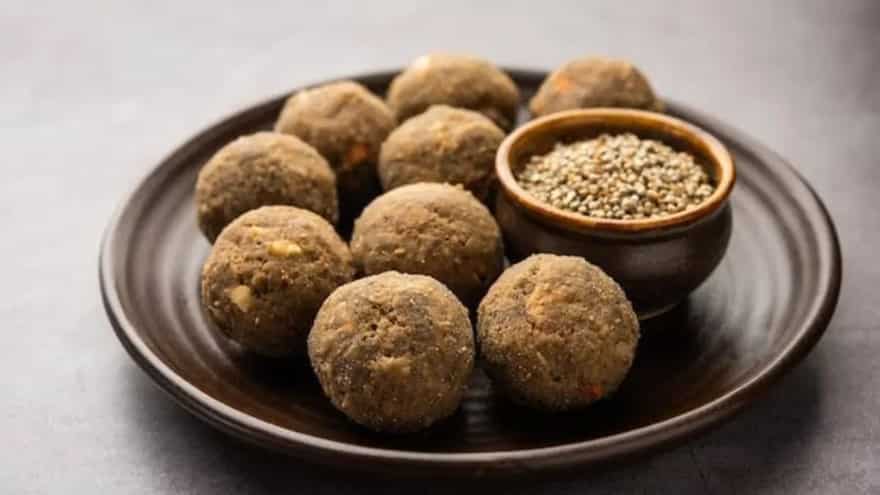
Bajra chikki is another traditional sweet that does not use maida. Pearl millet flour is roasted and mixed with jaggery to make a crunchy, brittle snack that can be shaped into bars or rounds. Foxtail millet payasam is made by cooking the millet in milk and sweetening it with jaggery, similar to kheer. These sweets offer variety for people who want to move away from maida and explore older grain-based recipes instead.
Rice Flour & Coconut: South Indian Flavour Without Refined Flour
In Southern India, many festive sweets are prepared using rice flour and coconut. Kozhukattai, often made during Ganesh Chaturthi, is one of the most loved examples. The outer covering is made with rice flour, and the filling contains grated coconut and jaggery. This sweet is steamed, making it light and easy to digest. It contains no maida or any processed ingredients.
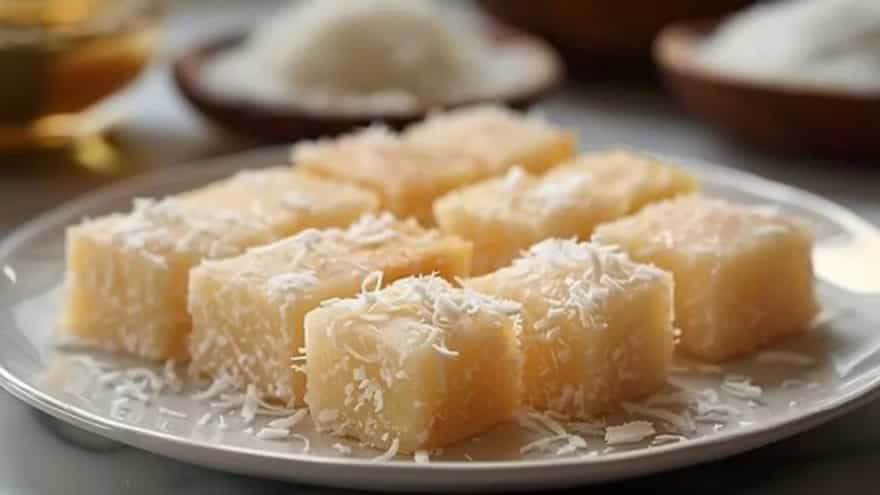
Another sweet that uses rice flour is adai appam, which is deep-fried and often made during special occasions. Arisi thengai payasam combines rice, coconut milk, and jaggery for a rich and creamy dessert without any maida. In Kerala, unniyappam is made using rice flour, banana, and jaggery, and fried in ghee. These sweets show how older regional traditions have always relied on local ingredients rather than refined flours. These dishes also reflect how festive sweets can be made simpler, tastier, and more rooted in everyday ingredients.
Sweeteners, Fats & Flavours: Adjustments That Don't Compromise On Taste
Making festive mithai without maida often involves rethinking the role of sugar, ghee, and other binding agents. Using jaggery instead of white sugar is a common shift that helps balance the richness of the sweet with a more complex flavour. Jaggery also contains trace minerals and adds moisture to the sweet.
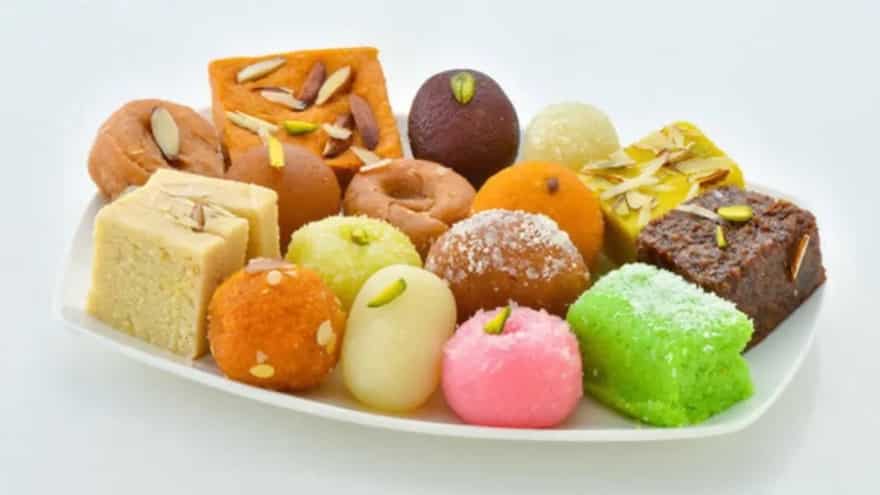
Nuts and seeds can be ground and mixed into the batter or dough to increase density without flour. Some recipes use dates, figs, or raisins as natural sweeteners. These dried fruits also help create stickiness and texture. For flavour, traditional spices such as cardamom, nutmeg, and saffron are used instead of essence or extracts. This keeps the sweets grounded in regional taste while avoiding additives.




