


 Share
Share

Milk is a staple ingredient in Indian households that goes into chai, creamy soups, white sauce pasta, lavish curries and yet, one wrong move, and it shows one thing people fear the most, 'it's curdling'. You are in the kitchen with a beautiful tomato base or perfectly spiced chai, and suddenly, tiny white bits begin to float, and you feel betrayed. It feels weird and annoying, but it is not accidental. Milk has a delicate nature; high heat, sharp acids or sudden temperature changes make its proteins shrink and break away from the liquid.
The daily struggle? You want rich, creamy dishes, but without watching the pot like a hawk. The good news? Simple habits like using full-fat milk, lowering the flame before adding the milk, cooking the acidic ingredients first, adding dairy slowly, and appreciating the order of ingredients while making chai, can keep the soups, sauces and curries smooth instead of sad and grainy.
Why Milk Curdles While Cooking Soups, Tea, Sauces And Curries?
Milk does not randomly begin to misbehave in soups, chai or curries, but it is following science. Milk is mainly water, with fat and proteins (casein) floating in it. When it is exposed to high heat, strong acids such as tomatoes, lemon, vinegar, tamarind, and even strong tea tannins, those proteins tighten, club together and separate from the liquid. That is why you see the grainy, separated look when the milk curdles. Low-fat milk is even more sensitive because it has less fat to protect the proteins. The sudden rise in temperature shocks and long, extended boiling also push milk over the edge.
How To Prevent Milk From Curdling
By following a few simple steps, it is easy to be careful and stop the milk from curdling
Have A Check Of The Temperature
Milk starts to curdle when you throw it into hot liquid. For soups, sauces and curries, always lower the flame before adding milk, cream or any dairy product. Stir it continuously and pour in slowly and gradually, not in one big splash. Let the milk warm up slowly so the proteins do not split. This is particularly important if you are using milk in a tomato or lemon-based dish, where acidity is already high, and the milk demands extra gentle handling.
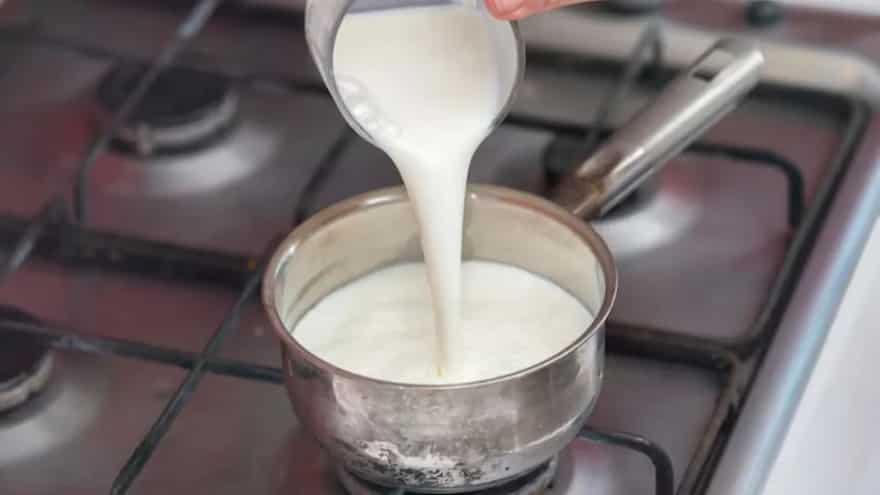
(Image credit: Freepik)
Choose Full-Fat Milk, Not Toned
Low-fat milk cannot handle the pressure, and it splits at the first sign of heat or acidity. For soups, sauces, curries and even in masala chai, full-fat milk or cream comes together much better. The extra fat helps cover the proteins and prevents them from clubbing together. Even adding a little splash of cream or a spoonful of ghee at the end can make the mixture more long-lasting and give that rich, smooth texture instead of a grainy disaster.
Add Tomatoes, Lemon And Vinegar At The Right Time
Acid is the biggest enemy of milk in the pan. If you are making tomato soup, white sauce pasta with a bit of lemon, or a curry with curd, always cook the acidic ingredients first. Let the tomatoes, wine, vinegar, tamarind or lemon reduce and cook on the heat. Once cooked properly, lower the flame and slowly add the dairy. For the dishes that are extremely tangy, add the lemon juice at the end and after turning off the gas. In this way, you will get flavour without split milk bits.
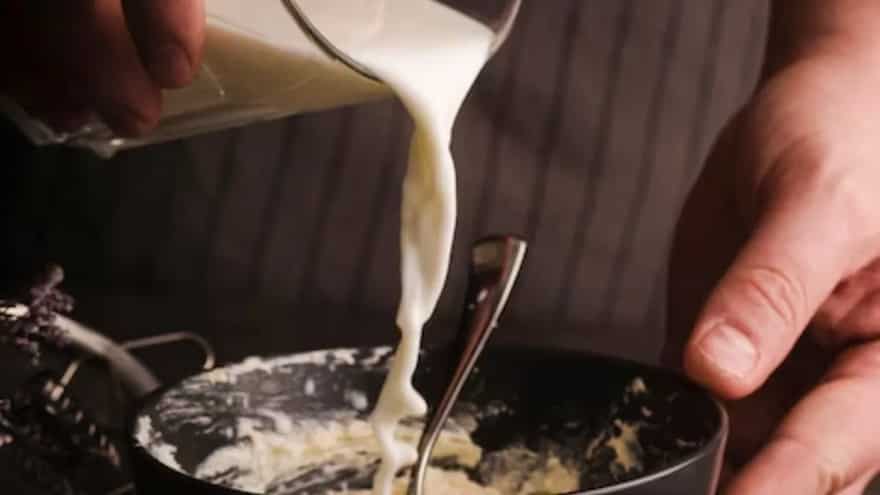
(Image credit: Freepik)
Use A Little Starch
Flour or cornflour can help keep your milk-based dishes smooth. The starch creates a kind of protective layer around milk proteins, preventing them from clumping. In soups and sauces, mix a teaspoon of cornflour into the cold milk, then add it to the mixture on a low flame and stir well. In curries, roasting a bit of besan in ghee before adding the milk or cream to make a stable, restaurant-style texture you are looking for.
For Tea And Coffee: Order Of Ingredients Matters
Masala chai often curdles when the milk is boiled directly with strong tea leaves and spices for a very long time. Instead, first brew the tea leaves with water and spices. Once it is boiled nicely, add milk and let it boil gently but not too long. Also, avoid adding the lemon, ginger or very sour ingredients directly after you add the milk. When you follow the sequence, i.e. water and tea first, milk afterwards, your chai remains smooth and will not curdle.
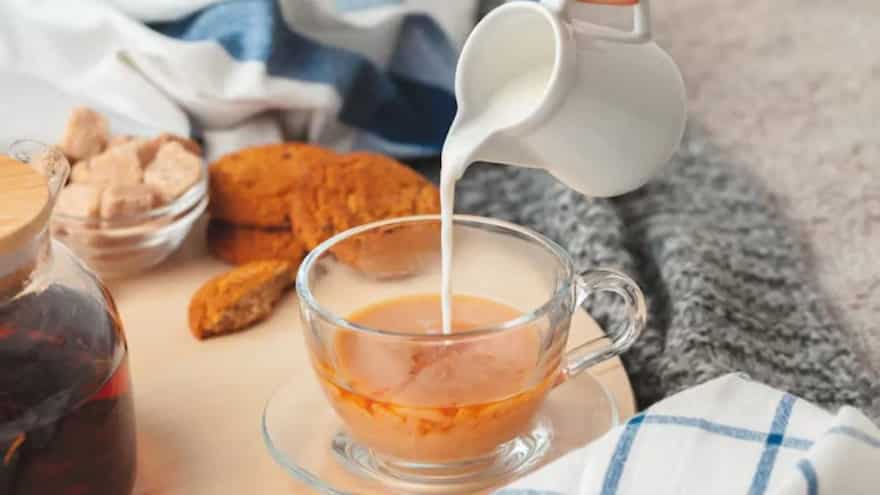
(Image credit: Freepik)




